When you purchase through links on our site, we may earn an affiliate commission. This helps support our work and allows us to continue delivering in-depth, unbiased gaming coverage.
Introduction
The market of mid-range graphics cards has shifted dramatically over the last few years, yet one contender refuses to relinquish its position as a value champion. In this AMD Radeon RX 7800 XT review, we revisit a card that has defined the sweet spot for high-resolution gaming. As newer generations push prices upward, savvy gamers are looking back at established hardware to find the best budget GPU 1440p solution available. This review covers the card’s enduring architecture, its capability to handle modern AAA titles, and how it stacks up against newer, more expensive entry-level cards. This product is best suited for gamers who prioritize raw rasterization performance and high frame rates without paying the premium associated with flagship tier ray tracing.
Key Takeaways
The Radeon RX 7800 XT delivers exceptional 1440p performance that rivals newer cards costing significantly more.
With 16GB of VRAM, it offers better future-proofing for texture-heavy games than many competitors with only 12GB. Its ray tracing performance is competent but falls behind NVIDIA equivalents in heavy workloads. The card remains highly power efficient compared to older generations, though it can run warm under maximum load. It stands as the definitive answer for those asking what’s 1440p gaming performance on a budget in 2026.
Product Overview
The AMD Radeon RX 7800 XT belongs to the enthusiast-class segment of the RDNA 3 family, though in the context of 2026, it firmly occupies the upper-budget tier. Its target audience includes PC builders who want a no-compromise 1440p experience but can’t justify spending nearly a thousand dollars on a GPU. What makes it unique is its generous 16GB memory buffer, a feature that has become essential for modern gaming textures and unoptimized titles. Compared to its predecessor, the RX 6800 XT, it brings AI accelerators and improved encoding capabilities, making it not just a gaming tool but a decent option for content creators on a budget.
Design & Build Quality
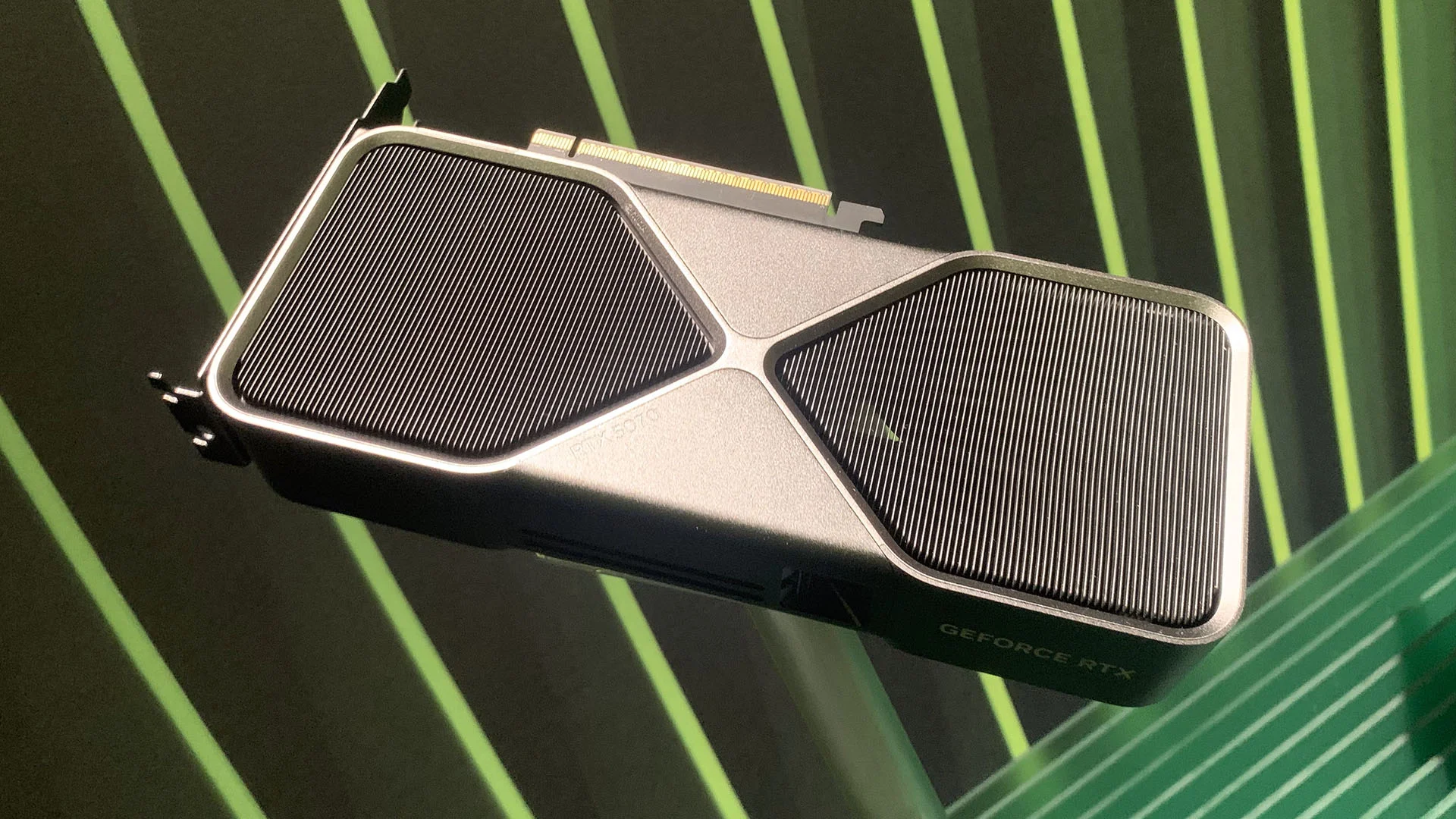
While design varies by partner models like Sapphire, PowerColor, or XFX, the fundamental build quality of the RX 7800 XT platform is solid. Most iterations feature a dual or triple-fan cooling solution necessary to tame the Navi 32 silicon. The reference design uses a sleek, dark aesthetic with a durable metal backplate that aids in passive heat dissipation. In terms of durability, the card feels substantial and dense, often requiring a support bracket to prevent sag in standard tower cases. The ergonomic considerations for builders are generally good, with standard 8-pin power connectors being standard on most models, avoiding the need for fragile adapters often found on competing high-end cards. Aesthetic implementation typically includes subtle RGB lighting, though many budget-focused variants opt for a stealthy, non-illuminated look to save costs.
Features & Technology
At the core of this card is the RDNA 3 architecture, featuring chiplet technology that separates the Graphics Compute Die (GCD) from the Memory Cache Die (MCD). This allows for cost-effective manufacturing without sacrificing speed. A critical part of our it 7800 XT review is highlighting the inclusion of AV1 encoding support, which is a massive boon for streamers using platforms like Twitch or YouTube. The card supports DisplayPort 2.1, a forward-looking feature that ensures compatibility with next-generation high-refresh monitors. Software customization is handled via AMD’s driver suite, allowing for features like Radeon Super Resolution and Hyper-RX, which combine various boosting technologies to maximize frame rates with a single click.
Performance
When discussing what’s 1440p gaming performance, this card serves as the benchmark. In real-world scenarios, the RX 7800 XT crushes 1440p rasterization, easily maintaining over 60 FPS in demanding titles like Cyberpunk 2077 and well over 100 FPS in shooters like Call of Duty. The latency is kept low thanks to AMD Anti-Lag technology, which is vital for competitive gaming. However, performance does dip when heavy ray tracing is enabled, often requiring the use of FSR (FidelityFX Super Resolution) to maintain smooth gameplay. In terms of heat and stability, the card generally operates between 65°C and 75°C under load, which is well within safe limits, though fan noise can become noticeable during extended sessions in graphically intense MMOs or racing simulators.
Comfort & Usability
In the context of a graphics card, comfort translates to acoustic performance and ease of living with the hardware. The RX 7800 XT is generally well-mannered, but coil whine can be a lottery depending on the specific manufacturer unit you receive. Fatigue is non-existent for the user, but the heat output can warm up a small room during long gaming marathons, a common trait of high-wattage GPUs. The setup process is straightforward: slot the card in, connect the standard power cables, and install the drivers. Unlike some complex modern GPUs that require specific ATX 3.0 power supplies, this card integrates easily into existing builds, making it a high point in any best budget gaming GPUs guide.
Software & Customization
The AMD Software: Adrenalin Edition is the interface for managing the RX 7800 XT, and it’s matured into a stable and feature-rich platform. The interface quality is modern and responsive, providing easy access to game profiles, performance tuning, and recording metrics. Users can set custom fan curves to balance noise and temperature, or undervolt the GPU to reduce power consumption with minimal performance loss. The cloud syncing of profiles allows you to keep your settings if you reinstall windows. While the drivers are historically a point of contention for AMD, the 7000 series has enjoyed a largely stable lifecycle with consistent updates addressing game-specific bugs.
Technical Specifications
Dimensions: Varies by model (approx. 267mm to 320mm length)
Weight: Approx. 1.2 kg GPU: Navi 32 (RDNA 3) Memory: 16GB GDDR6 Bus Width: 256-bit Boost Clock: Up to 2430 MHz Connectivity: HDMI 2.1, DisplayPort 2.1 Power Connectors: 2x 8-pin (typical) TDP: 263W Price Range: $450 - $550
Pros & Cons Pros:
Excellent price-to-performance ratio for 1440p gaming. Generous 16GB VRAM ensures longevity in texture-heavy games. Standard power connectors simplify installation. AV1 encoding support is great for content creators. Cons: Ray tracing performance lags behind NVIDIA competitors. FSR upscaling is slightly inferior to DLSS in image quality. Power consumption is higher than competing mid-range cards. Can run warm depending on the cooler design.
Price & Value for Money
The value proposition is the strongest argument for the RX 7800 XT. When learning how to choose a budget gaming GPU, price per frame is the ultimate metric, and this card excels there. Comparing it to the NVIDIA RTX 4070 series, the 7800 XT often costs less while providing more VRAM and similar rasterization performance. It offers incredible value for gamers who don’t care about proprietary features like DLSS 3 frame generation or top-tier ray tracing. Ideally, budget-conscious buyers who want to max out settings at 1440p without spending flagship money benefit most from this buy. It remains unequivocally worth the cost at current pricing.
Best Alternatives 1. [NVIDIA GeForce RTX 4070
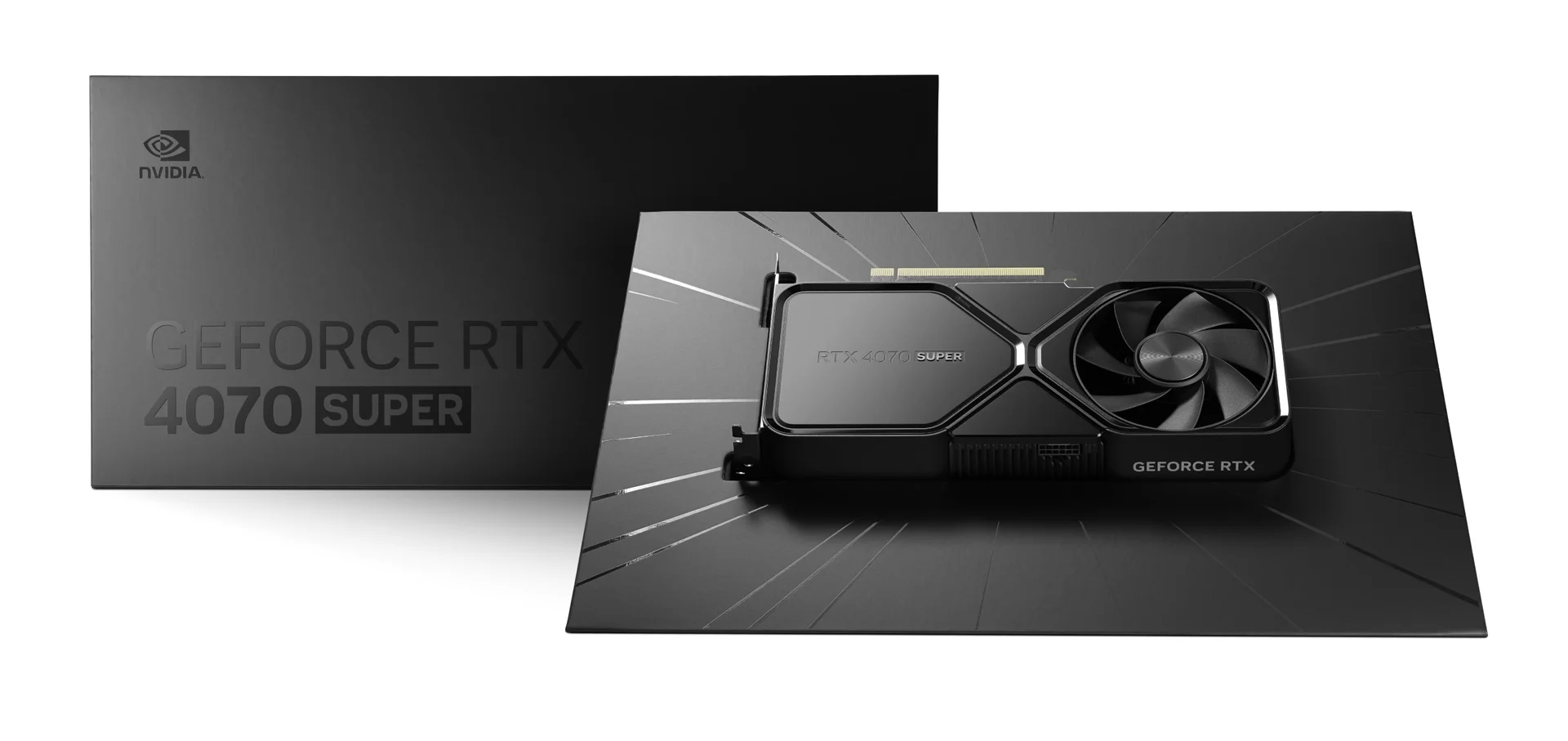
Super](https://www.amazon.com/s?k=GeForce+RTX+4070+Super+graphics+card&tag=ggl05b-20): Offers superior ray tracing performance and DLSS 3 support, making it a better choice for those who want the latest visual tech, though it typically commands a higher price.
- AMD Radeon RX 7800 XT 7700 XT: A cheaper alternative that sacrifices some VRAM (12GB) and compute power. It’s a viable option if your budget is strictly capped, but offers less future-proofing.
- Intel Arc Battlemage (Hypothetical/New): Depending on the market in 2026, Intel’s offerings may provide aggressive pricing for decent 1440p performance, though driver maturity often lags behind AMD.
Who Should Buy It?
We recommend the Radeon RX 7800 XT for competitive gamers who need high frame rates in shooters like Apex Legends or Warzone at 1440p resolution. It’s also perfect for budget buyers building a mid-range PC who want their investment to last for several years thanks to the 16GB VRAM. Streamers can use the AV1 encoding for high-quality broadcasts. However, users switching from older high-end models like the RTX 3080 may not see a massive jump in rasterization, so this is best for those upgrading from the GTX 10 series, RTX 20 series, or RX 5000 series.
Final Verdict
To conclude our Radeon RX 7800 XT review, this card remains a powerhouse that defines the best budget GPU 1440p category. It successfully balances raw power, memory capacity, and price in a way few other products do. While it’s weak points in ray tracing efficiency, the sheer rasterization performance makes it a standout choice for the vast majority of gamers. If you’re looking for a reliable, high-performance card that respects your wallet, the RX 7800 XT is arguably the best gaming GPU investment you can make in 2026 for 1440p monitors.
FAQ
-
Is the AMD Radeon RX 7800 XT good for FPS games? Yes, it delivers very high frame rates at 1440p, making it excellent for fast-paced shooters.
-
How to choose a budget gaming GPU like this one? Look for price-to-performance ratio and VRAM capacity; the 7800 XT excels in both compared to its peers.
-
Is it worth upgrading from the previous version? If you’re coming from an RX 6800 XT, the jump is small, but from an RX 5700 XT or RX 6700 XT, the upgrade is substantial.
-
What’s 1440p gaming performance with this card? You can expect 60+ FPS in AAA single-player games on Ultra settings and 144+ FPS in competitive esports titles.