When you purchase through links on our site, we may earn an affiliate commission.
What We Like
- Freedom of movement and a decluttered gaming space
- Modern 2.4GHz wireless offers near-imperceptible latency for most gamers
- Enhanced comfort without cable drag or snagging
What Could Be Better
- Potential for signal interference in crowded wireless environments
- Battery life management is a necessity, unlike wired alternatives
- Higher initial cost compared to equivalent wired models
Are Wireless Headphones Good for Gaming?
The Reality of Wireless Performance: Latency and Audio Fidelity
Look, the old fears about wireless latency are largely outdated, especially with dedicated 2.4GHz wireless gaming headsets. This connection type typically achieves latency figures under 20 milliseconds, often closer to 10-15ms. That’s a far cry from the noticeable lag of standard Bluetooth audio, which can hover around 100-200ms or even higher. For serious competitive play, this difference is crucial. We’re talking about microseconds that separate a clutch play from a missed opportunity. Modern wireless solutions, like Razer’s HyperSpeed Wireless or HyperX’s 2.4GHz connection, prioritize speed above all else.
Audio Quality: No Longer a Compromise
The notion that wireless means inferior audio quality is mostly marketing BS from the past. High-fidelity wireless transmission can now deliver rich, detailed soundscapes. Headsets with well-tuned drivers and advanced codecs ensure you hear subtle footsteps, environmental cues, and impactful explosions with clarity. Many premium wireless options even include virtual surround sound, like DTS Headphone:X 2 Spatial Audio found in the HyperX Cloud Alpha Wireless, enhancing positional awareness. It’s about the driver quality and software processing, not just the cable. You get what you pay for here, honestly.
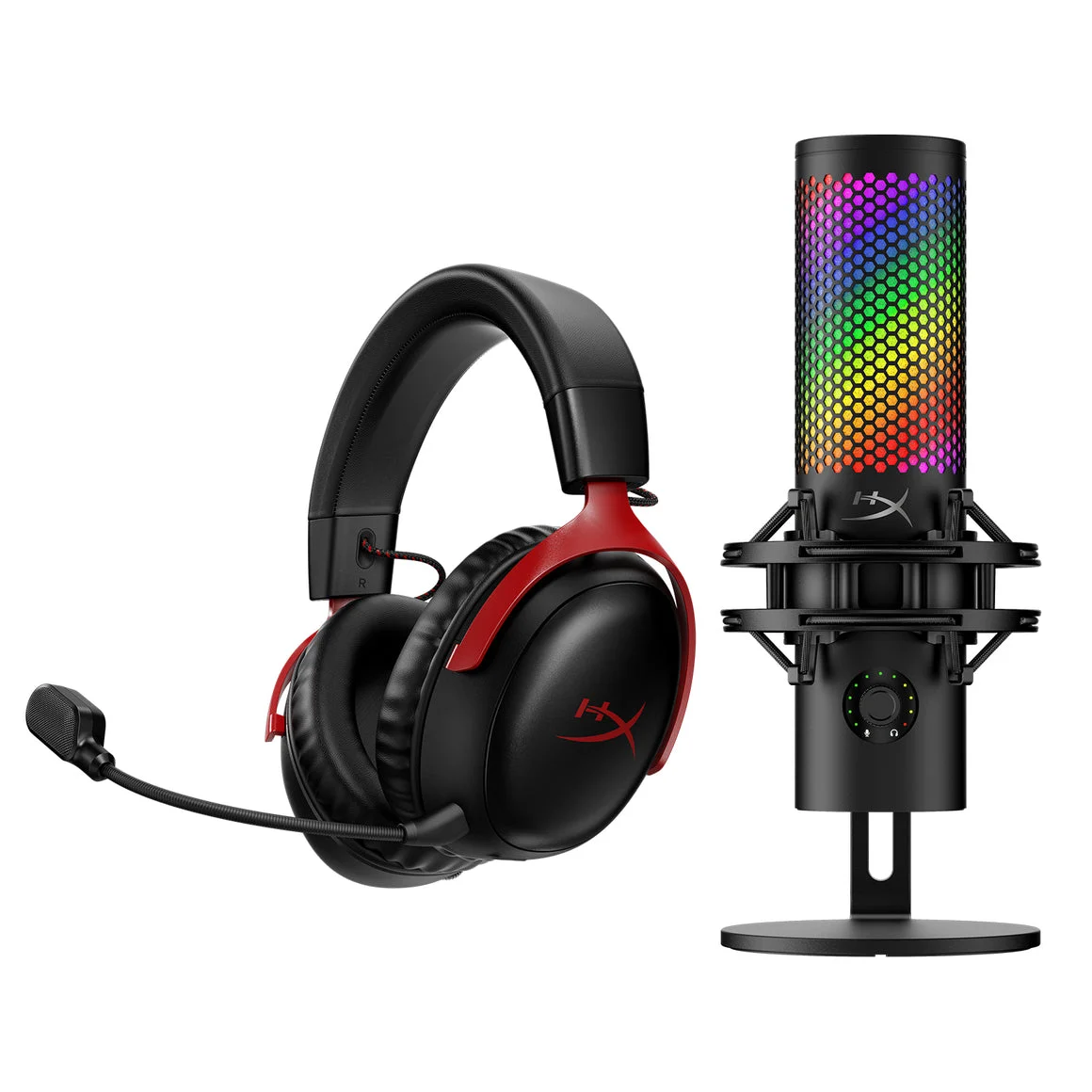 Image: HyperX
Battery Life: The Unsung Hero of Wireless Freedom
Battery life is where wireless headsets truly differentiate themselves. Nobody wants their audio cutting out mid-match. Modern headsets offer vastly improved endurance, with some hitting over 70 hours on a single charge, like the Razer BlackShark V2 Pro (2023). Then there’s the HyperX Cloud Alpha Wireless, which redefined expectations with an astounding 300 hours of battery life. That’s weeks of gaming for most users, making charging an infrequent chore rather than a daily ritual. This kind of longevity means you can focus on the game, not the battery indicator.
 Image: representative product (SteelSeries)
Comfort and Ergonomics: When the Answer Changes for You
Your personal comfort needs will significantly impact whether a wireless headset is ‘good’ for your gaming. Freedom from cables is inherently more comfortable for many, reducing tugs and snags. But the headset’s weight, clamping force, ear cup material (memory foam, velour, leatherette), and headband design are paramount. If you game for extended sessions, a lightweight design with breathable materials prevents fatigue. Some gamers prefer a tighter fit for noise isolation, while others prioritize a looser feel. This isn’t just about specs; it’s about your head shape and patience for discomfort.
Making Your Decision: Key Considerations
When evaluating wireless gaming headsets, focus on a few non-negotiable specs. First, ensure it uses a dedicated 2.4GHz wireless USB dongle for low latency; Bluetooth is often too slow for serious gaming. Check the advertised battery life against your typical usage. Look for robust build quality with durable materials, as these devices will see a lot of use. Finally, consider software support for features like EQ customization and virtual surround sound. These add value but aren’t strictly necessary if the core audio is solid.
Common Pitfalls to Avoid
Don’t overpay for features you won’t use. RGB lighting doesn’t improve your kill-death ratio, and unnecessary haptic feedback can be more distracting than immersive. Ignoring ergonomics is a major mistake; a headset might sound amazing but if it’s uncomfortable after an hour, it’s useless. Always check compatibility with your primary gaming platforms. Some headsets are PC-centric, while others cater specifically to consoles, sometimes lacking full functionality across the board. Finally, don’t buy on brand hype alone; research real-world reviews for consistent performance and comfort feedback.
Final Verdict
Wireless headphones are undeniably good for gaming in late 2026, offering a blend of freedom and performance that was once unattainable. For competitive players, the near-zero latency of 2.4GHz wireless is a . For casual gamers, the comfort and convenience are paramount. Just prioritize low-latency connectivity, ample battery life, and proven comfort. We’ve come a long way from the days of compromised wireless audio; it’s time to cut the cord.
Frequently Asked Questions
Does wireless audio have noticeable latency for gaming?
For most gamers, especially those using 2.4GHz wireless headsets, latency is now negligible. High-quality wireless connections typically register latency well under 20ms, which is imperceptible to the human ear during gameplay. Bluetooth, however, can introduce more significant delays, making it less ideal for competitive titles.
How important is battery life for a wireless gaming headset?
Battery life is a critical factor, directly impacting your uninterrupted gaming time. While some headsets offer upwards of 70 hours, like the Razer BlackShark V2 Pro (2023), others, such as the HyperX Cloud Alpha Wireless, boast an industry-leading 300 hours on a single charge. Consider your average session length and how often you're willing to recharge.
Can wireless headsets interfere with other wireless devices?
Yes, 2.4GHz wireless headsets share the same frequency band as many other devices, including Wi-Fi routers. While modern headsets employ frequency hopping and other technologies to minimize interference, issues can arise in extremely congested wireless environments. Opting for a headset with robust signal integrity is key.
Where to Buy
Related Articles
- Astro A50 X Review (2026): Is This the Best Gaming Headset?
- Audeze Maxwell Review (2026): Is This the Best Gaming Headset?
- Best Gaming Headset Buying Guide: Hear the Competition
- Best Gaming Headset by Budget (2026): Top Picks for Every Price Range
- Best Gaming Headsets of 2026: Top Wireless Picks for PS5, Xbox, and PC