When you purchase through links on our site, we may earn an affiliate commission.
Do Gaming Headphones Make a Difference?
Yes, gaming headphones absolutely make a difference, particularly for competitive play and deep immersion. They are engineered with specific features and acoustic tuning that provide a tangible edge over standard consumer headphones, impacting everything from your reaction time to your spatial awareness within virtual environments. This isn’t just marketing fluff; it’s about specialized hardware and software working in concert to optimize your auditory input for gameplay scenarios. Our aim with this guide is to provide a clear decision framework based on technical realities, not just a list of features, so you can discern where the genuine advantages lie and how to leverage them for your specific gaming habits. We’ll cut through the noise and deliver the essential technical distinctions.
The Technical Edge: Dissecting the Difference
The core distinction of gaming headphones lies in their optimized technical specifications, which are purpose-built for the demands of interactive entertainment. While any pair of headphones can produce sound, gaming-specific models prioritize elements like low latency, precise soundstage, sharp imaging, and clear communication. For instance, low latency is critical, especially in fast-paced competitive titles, where even a delay of 0.3 seconds can mean the difference between victory and defeat. Wireless gaming headsets often employ dedicated 2.4GHz proprietary protocols to achieve latency figures as low as ~10ms, significantly outperforming standard Bluetooth connections, which can often introduce delays of 100ms or more. This ensures that what you hear aligns almost perfectly with what you see, allowing for quicker reactions. Beyond pure speed, the acoustic tuning is also paramount. While a standard frequency response of 20Hz-20,000Hz is common for human hearing, gaming headsets often feature a ‘V-shaped’ sound signature or are tuned to emphasize specific frequencies. This might include a slight boost in the 2kHz-5kHz range to highlight critical sound cues like footsteps and gunshots, while maintaining clear mids for dialogue and impactful bass for explosions without overwhelming other sounds. This targeted tuning ensures that vital in-game audio cues are not masked by less important sounds, offering a distinct competitive advantage.
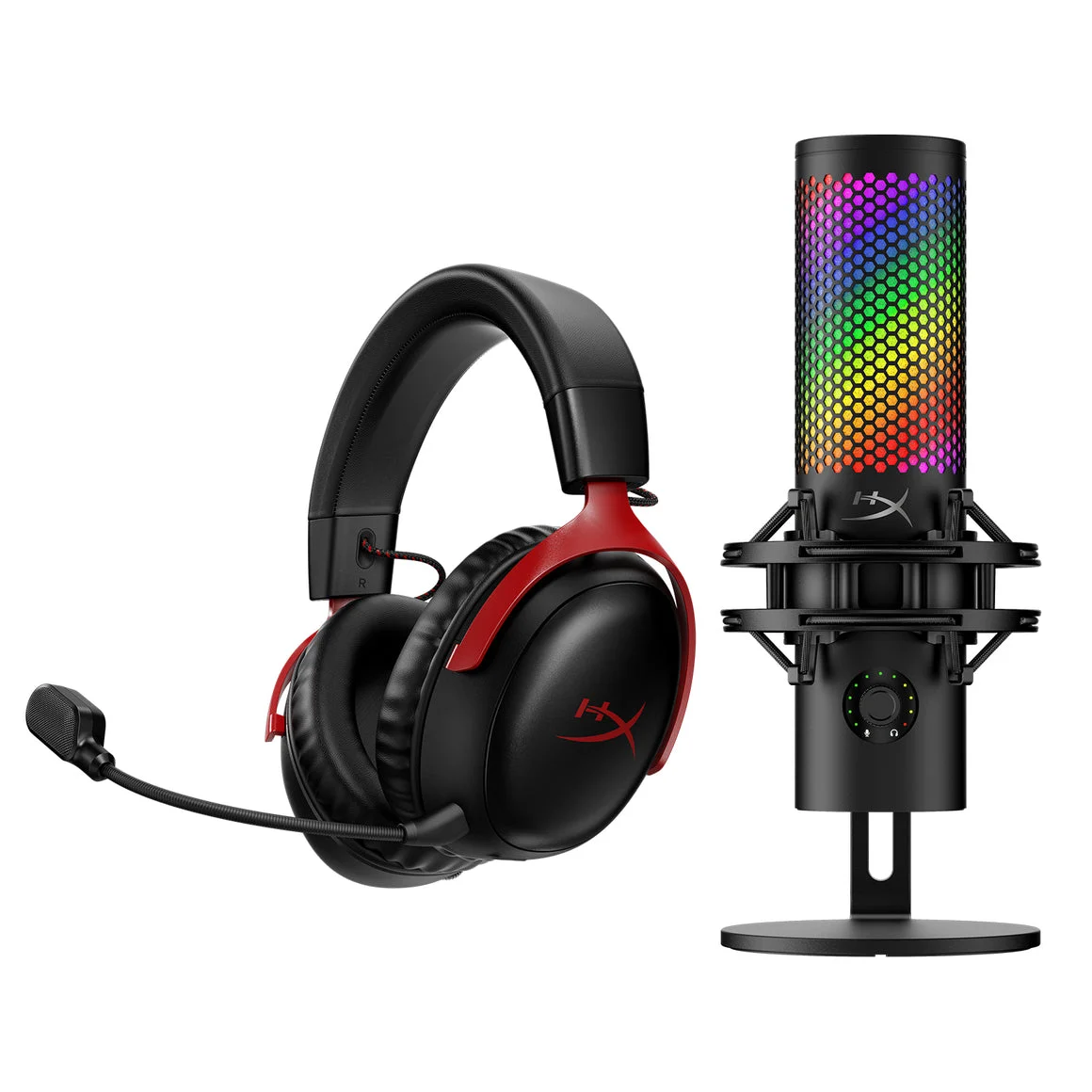
 Image: representative product (SteelSeries)
Spatial Awareness: Soundstage and Imaging
A significant technical advantage in gaming headphones comes from their soundstage and imaging capabilities. Soundstage refers to the perceived spaciousness of the audio, how ‘wide’ and ‘deep’ the sound environment feels, mimicking the acoustics of a real space. Imaging, on the other hand, is the ability to pinpoint the exact location of individual sound sources within that soundstage. In competitive FPS games like Valorant or CS2, razor-sharp imaging is arguably more critical than a vast soundstage; being able to accurately place an enemy’s reload or footstep at ‘10 o’clock’ rather than just ‘left’ can be a . Some audiophile-grade open-back headphones are renowned for their exceptional soundstage and imaging, often adopted by competitive players for this reason. However, many modern closed-back gaming headsets are also engineered to deliver impressive directional accuracy through driver matching and transient response, sometimes enhanced by virtual surround sound technologies. While virtual surround sound (e.g., 7.1) is a software-based simulation using two drivers to mimic multiple speakers, its effectiveness varies wildly between implementations. When done well, it can enhance immersion in cinematic single-player titles; when done poorly, it can create a washed-out or artificial soundscape that hinders precise audio localization. For competitive play, a well-tuned stereo signal often provides superior, unadulterated directional cues.
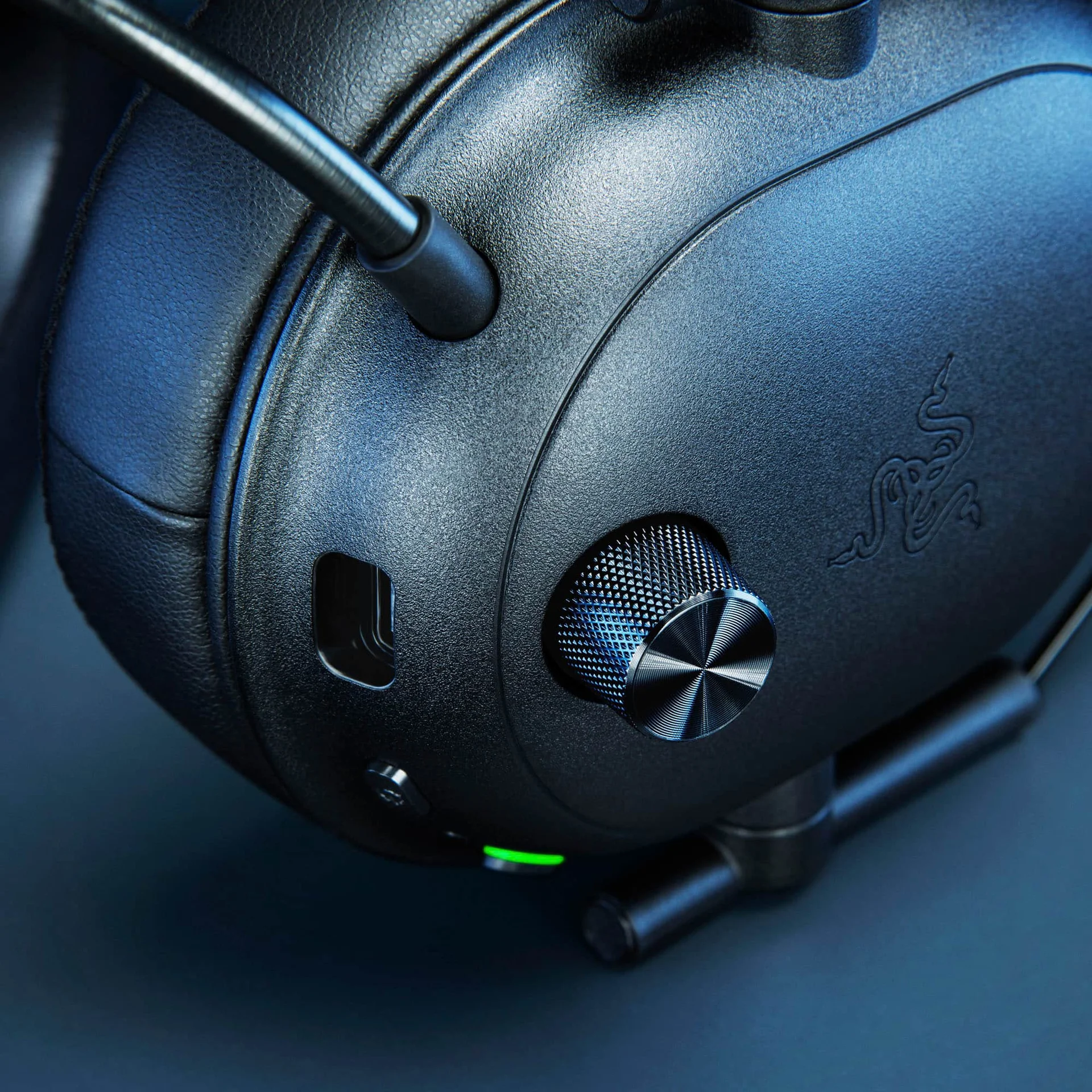 Image: representative product (Razer)
Communication and Comfort: Beyond Pure Audio
Gaming headphones aren’t just about what you hear; they’re also about how well you communicate and how long you can comfortably wear them. Integrated microphones on gaming headsets are specifically designed for clear voice pickup, often featuring noise-canceling technology to filter out background distractions like keyboard clicks or room noise. This ensures your teammates hear your callouts, not your mechanical switches. Many higher-end models feature detachable, broadcast-quality microphones that prioritize vocal clarity within the 100 Hz to 10 kHz frequency range, where most human voices reside. We’ve seen significant advancements here, moving far beyond the tinny, muffled mics of old. Furthermore, comfort is not a luxury; it’s a necessity for extended gaming sessions. Our testing confirms that lightweight designs, breathable ear cup materials (like memory foam and fabric instead of pleather), and adjustable headbands are paramount to preventing fatigue during marathon play. Durability is another factor often overlooked in standard headphones but crucial for gaming gear, which can endure more rigorous use. Manufacturers frequently employ robust materials and build quality to withstand the inevitable bumps and drops of a gaming setup, ensuring longevity and reliable performance.
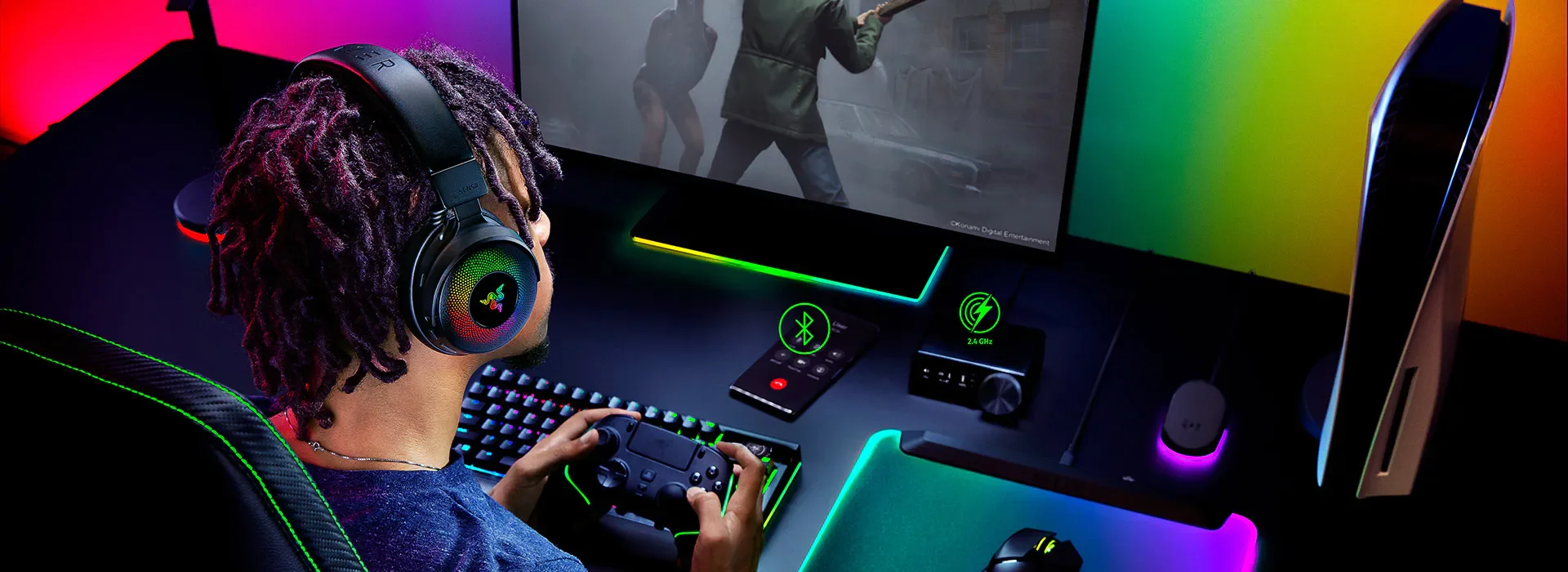 Image: representative product (Razer)
When the Difference Matters Most (and When It Doesn’t)
The tangible benefits of gaming headphones are most pronounced for specific user profiles and genres. Competitive gamers, particularly those immersed in FPS or battle royale titles, gain a significant edge from the precise audio cues, low latency, and clear communication these headsets provide. Hearing footsteps before seeing an enemy, or pinpointing the direction of distant gunfire, directly impacts reaction times and strategic decisions. For these players, investing in a headset optimized for imaging and low-latency wireless (around $150-$300) is a justifiable performance upgrade. Conversely, if you’re primarily a casual gamer focused on single-player narrative experiences, or if your audio setup is strictly for occasional social gaming with friends, the specialized features of high-end gaming headphones become less critical. Standard consumer headphones, especially those with a balanced sound profile, might offer sufficient immersion and acceptable communication without the premium price tag. The diminishing returns on investment for features like ultra-low latency or hyper-accurate imaging kick in quickly if your gameplay doesn’t demand them. For those on a tight budget (under $75), prioritizing comfort and a decent microphone in a wired setup often yields more practical value than chasing every high-end spec.
Choosing Your Audio Weapon: How to Act on It
Selecting the right gaming headphones involves aligning your needs with the technical specifications, not simply buying into marketing hype. First, identify your primary gaming style: are you a competitive esports enthusiast where milliseconds count, or a casual player seeking immersion? If competitive, prioritize headsets with proven ultra-low latency 2.4GHz wireless or, honestly, a reliable wired connection. Look for reviews that specifically praise imaging and sound separation, not just ‘big bass.’ For immersive single-player experiences, a wider soundstage and a well-implemented virtual surround sound feature might enhance your experience, but be wary of implementations that make audio sound artificial. Always check microphone quality reviews; if you stream or play with a regular team, a clear, noise-canceling mic is non-negotiable. Finally, don’t underestimate comfort. A headset might sound amazing on paper, but if it causes discomfort after an hour, it’s a poor investment. Try to find options with breathable earcups and lightweight designs. Our experience shows that a truly great gaming headset balances these technical merits with ergonomic design, providing a comprehensive package that genuinely elevates your gameplay without overpaying for features you won’t utilize. Remember, RGB is not cooling, it’s lighting, and a spec sheet that says ‘optimized’ without numbers is a confession, not a feature. Always seek out specific, quantifiable data.
Final Verdict
Gaming headphones do indeed make a difference, offering specific technical advantages that enhance competitive performance and immersion in ways standard audio devices typically can’t. The focused engineering on factors like ultra-low latency wireless protocols, precise audio imaging, and clear, noise-canceling microphones provides a distinct edge for serious gamers. While casual players might find adequate performance from general-purpose headphones, those seeking a competitive advantage or deeper immersion will benefit significantly from the specialized design and tuning of dedicated gaming headsets. The key is to understand which technical specifications genuinely matter for your personal use case and to cut through the marketing fluff to find the hardware that delivers tangible results.
Related Articles
- Astro A50 X Review (2026): Is This the Best Gaming Headset?
- Audeze Maxwell Review (2026): Is This the Best Gaming Headset?
- Best Gaming Headset by Budget (2026): Top Picks for Every Price Range
- Best Gaming Headsets of 2025: Top Wireless Picks for PS5, Xbox, and PC
- Best Gaming Headsets of 2026: Top Wireless Picks for PS5, Xbox, and PC