When you purchase through links on our site, we may earn an affiliate commission.
Introduction: The
Generational Leap to Blackwell Upgrading to a newer generation GPU offers increased performance and efficiency, but the value depends on your current setup. As we navigate the gaming market of 2026, the rtx 5080 vs rtx 4080 debate has become the focal point for enthusiasts looking to maximize their frame rates. The transition from the Ada Lovelace architecture to the Blackwell architecture represents one of the most significant technical shifts in recent years. While the older 40-series was defined by the introduction of frame generation, the 50-series focuses on massive memory bandwidth increases through GDDR7 and specialized AI hardware. This graphics card comparison aims to dissect whether the raw power of the newer model justifies its premium price or if the tried-and-true performance of the previous generation remains the smarter financial choice for the average 4K gamer. Competitive esports player needing the highest refresh rates or a creative professional using CUDA cores for rendering, this guide provides a clear unbiased recommendation to help you choose between the rtx 5080 and the rtx 4080.
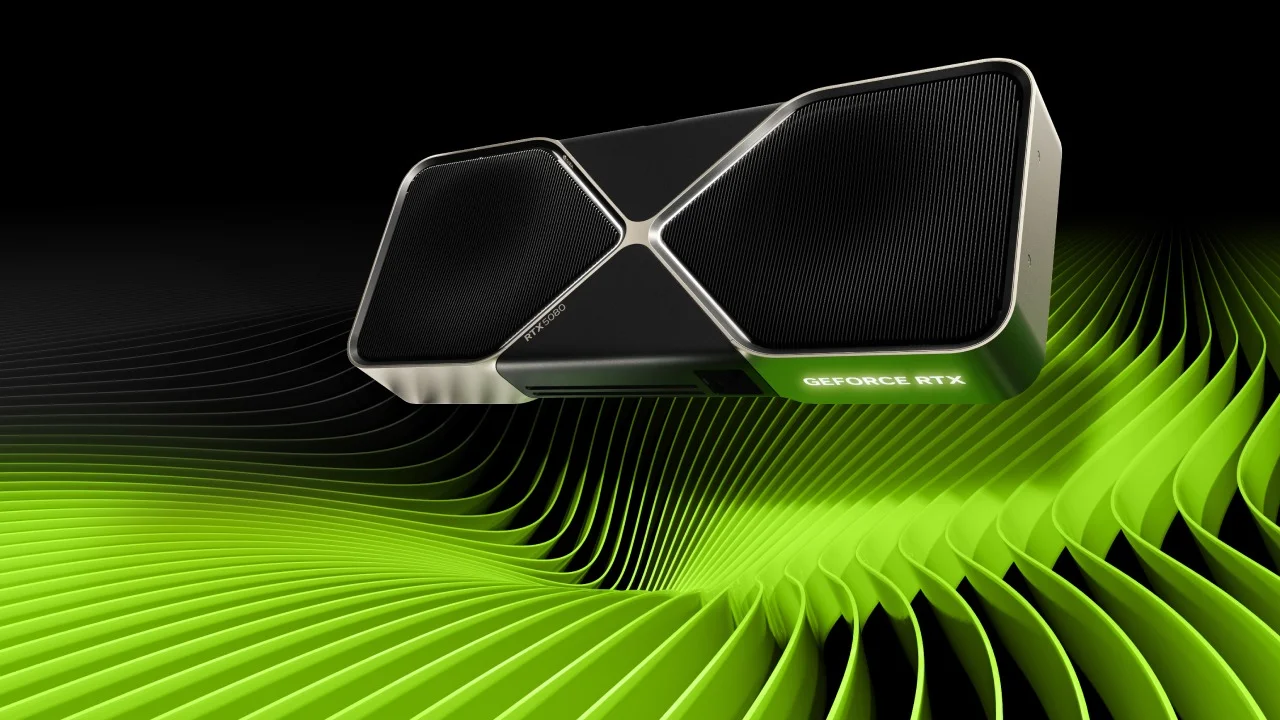
Image: NVIDIA
Quick Comparison
| Feature | RTX 5080 | RTX 4080 |
|---|---|---|
| Architecture | Blackwell (GB203) | Ada Lovelace (AD103) |
| Memory | 16GB GDDR7 | 16GB GDDR6X |
| Memory Bandwidth | 1024 GB/s | 716.8 GB/s |
| TDP/Power | 400W | 320W |
| Connectivity | DisplayPort 2.1 | DisplayPort 1.4a |
| DLSS Support | DLSS 4.0/5.0 with AI Overdrive | DLSS 3.5 |
| Typical Price 2026 | 999 - 1100 USD | 700 - 850 USD (Used/Refurbished) |
| Performance Target | 4K Ultra 144Hz | 4K 60-90Hz |
Image: NVIDIA
Product
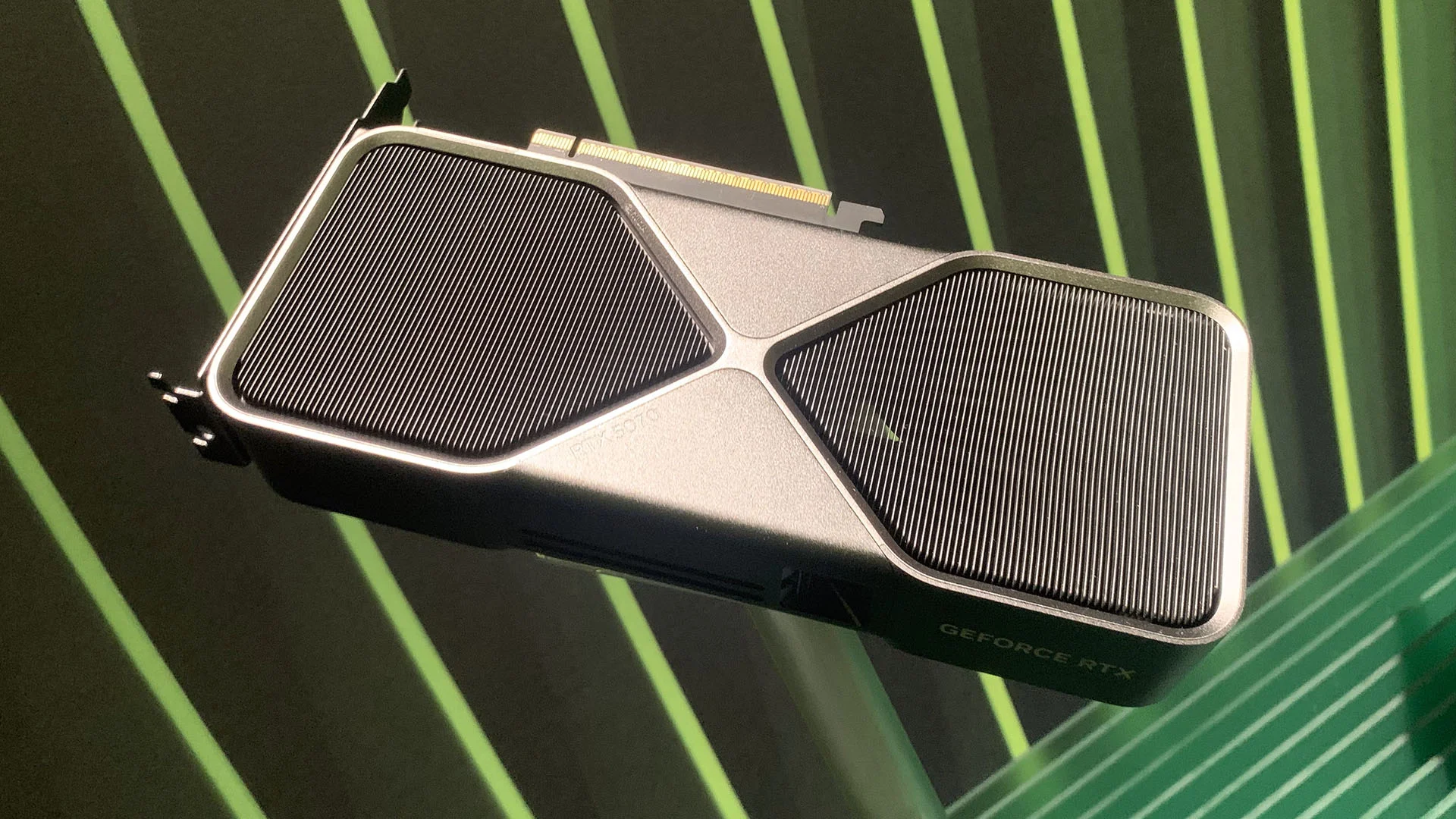
Overview: NVIDIA GeForce RTX 5080 The RTX 5080 is the standard-bearer for the Blackwell generation, designed to bridge the gap between high-end gaming and professional-grade AI compute. Its standout feature is the shift to GDDR7 memory, which provides a massive jump in bandwidth compared to the older GDDR6X standard. This allows the card to handle ultra-high-resolution textures and complex ray-traced environments without the stuttering associated with memory bottlenecks. Built on a refined 4nm process, the rtx 5080 focuses heavily on path tracing performance, aiming to make fully ray-traced gaming a reality even without heavy reliance on upscaling. The design style remains industrial and solid, usually requiring a triple-slot clearance and a sturdy support bracket to prevent PCB flex. It’s best for gamers who have already moved to 4K displays with high refresh rates or those working in local AI model training where the faster memory throughput significantly reduces processing times.
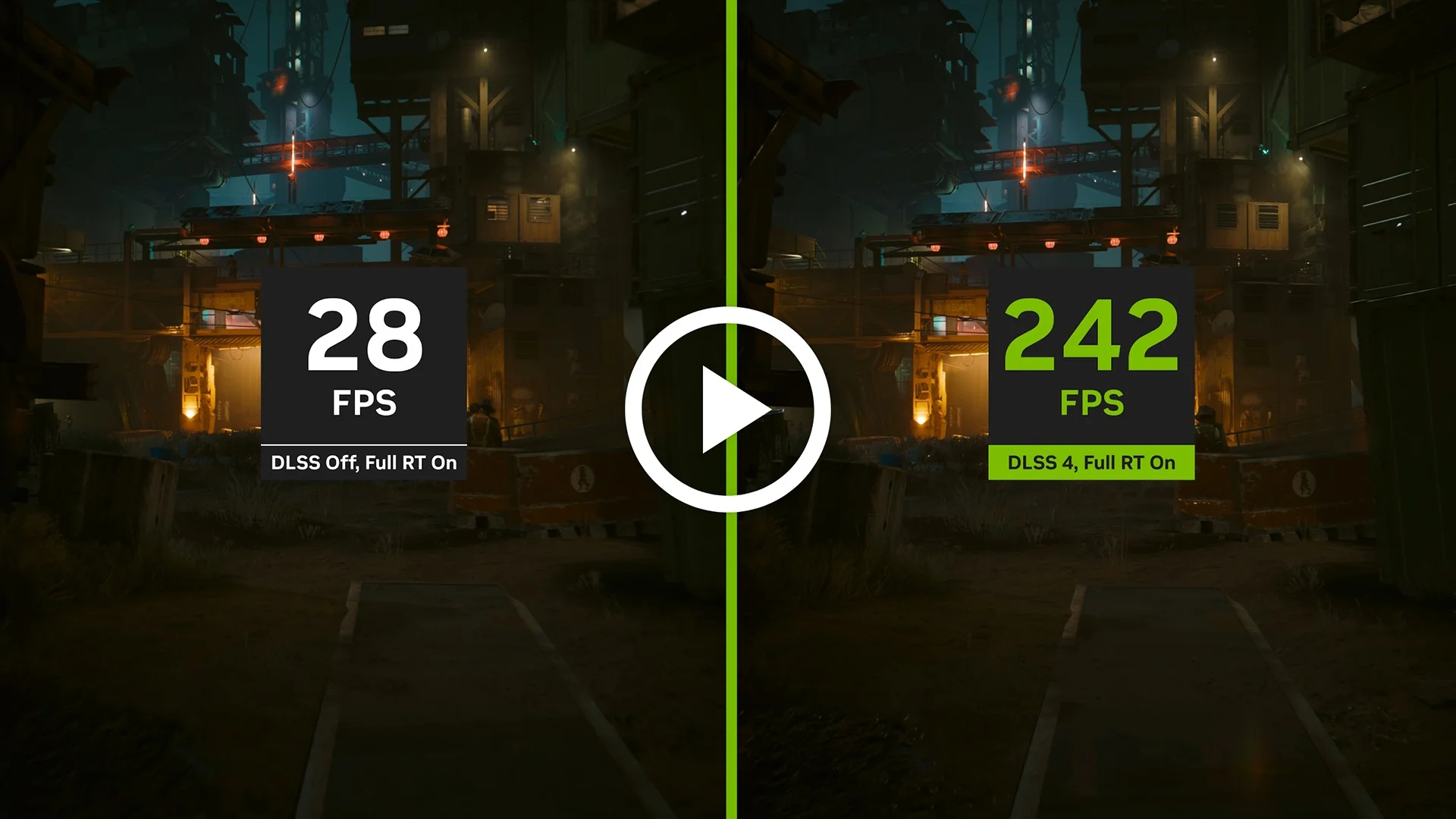
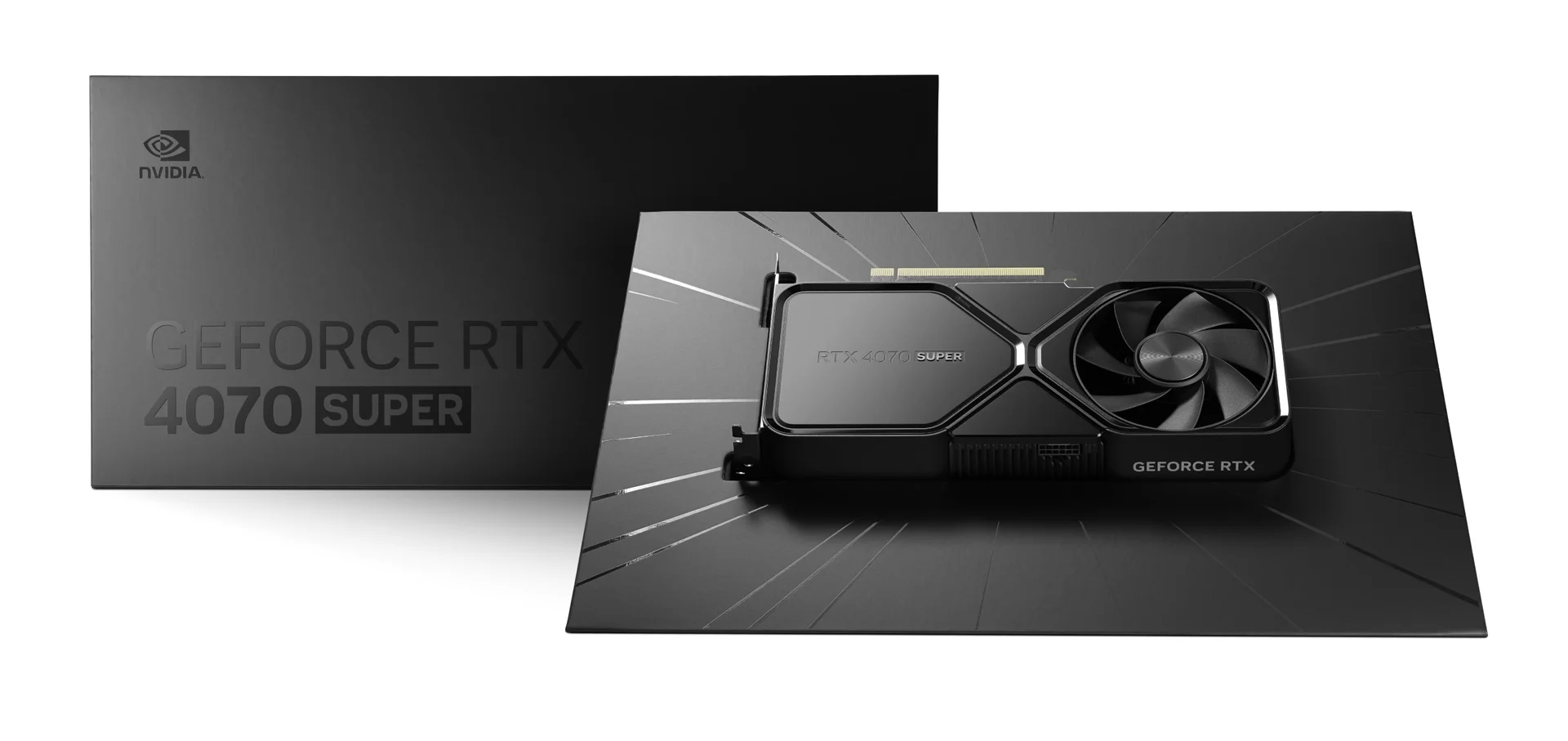
Overview: NVIDIA GeForce RTX 4080 Released as the powerhouse of the Ada Lovelace era, the RTX 4080 remains a formidable opponent even in 2026. It was the card that popularized DLSS 3 Frame Generation, allowing players to double their perceived frame rates in demanding titles like Cyberpunk 2077. The rtx 4080 features 16GB of GDDR6X VRAM, which was plenty at launch and still holds up for the vast majority of modern titles. Its build quality is legendary, particularly the Founders Edition models which utilized a dual-axial flow-through design to maximize thermal efficiency while maintaining a relatively quiet noise profile. The performance focus here’s on efficient 4K gaming; it draws significantly less power than the newer Blackwell flagship while still delivering smooth experiences in 99 percent of the Steam library. This card is best for users who want premium performance without crossing the thousand-dollar threshold or those who are still using power supplies from the previous generation that might not handle the 50-series power spikes.
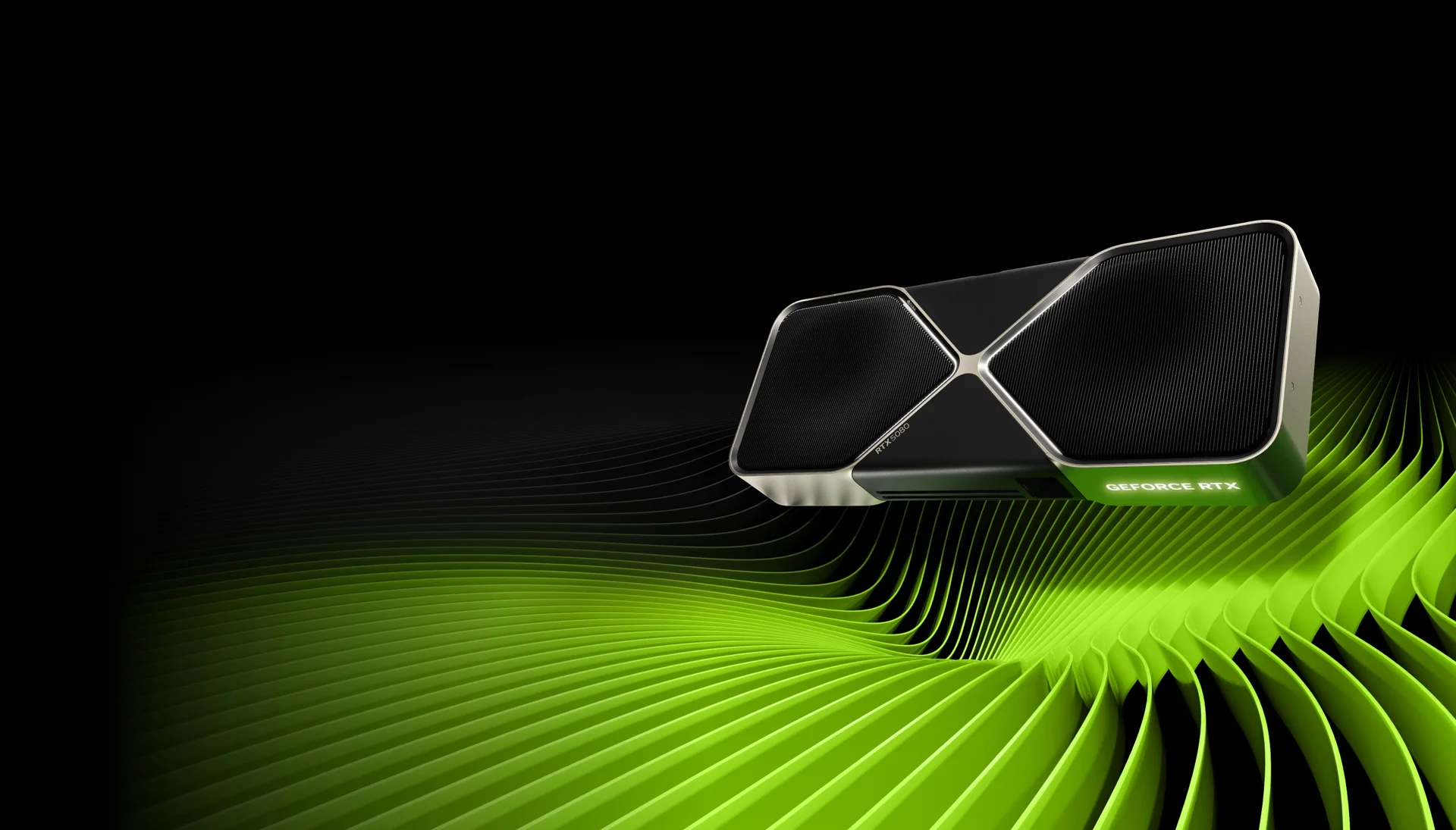
Image: NVIDIA
Performance and Benchmark Comparison
In terms of raw rasterization performance, the RTX 5080 wins by approximately 25 to 30 percent over its predecessor. However, the real gap appears in ray-traced scenarios where the Blackwell architecture shines. Thanks to the 4th Generation RT cores, the newer card can maintain high frame rates in path-traced titles that bring the older card to its knees. This difference matters most for enthusiasts playing at 4K resolution who refuse to turn down any settings. If you’re still playing at 1440p, the extra power of the 5080 is largely wasted as you’ll likely run into CPU bottlenecks before the GPU reaches its full potential.
Image: NVIDIA
Build Quality and Durability
Both cards are built like tanks, but the RTX 5080 introduces the refined 12V-2x6 power connector, which offers better safety and contact reliability than the original 12VHPWR connector found on early 40-series cards. The win goes to the RTX 5080 here for long-term durability, specifically regarding power delivery and connector heat management. The newer cards often feature reinforced backplates and better structural integrity to handle the increased weight of larger vapor chambers. For users who plan on keeping their card for 5 years or more, the improved power standards and cooling of the Blackwell cards provide more peace of mind.
Image: NVIDIA
Installation and Physical Compatibility
This is a close call, but the RTX 4080 wins for compatibility. Because the rtx 5080 has a higher TDP of 400W, the coolers have grown even larger, often exceeding 340mm in length. Many mid-tower cases that fit the 4080 will struggle with the 5080. Also, the 5080 almost mandates a modern ATX 3.1 power supply for the best experience. If you’re trying to upgrade an existing system without replacing your case or PSU, the 4080 is much more accommodating. The difference matters for anyone with a small form factor build or a standard mid-range case from 2022 or earlier.
Software and AI Features
The RTX 5080 is the clear winner in the software department. While both cards support the NVIDIA broadcast suite and standard DLSS, the 5080 introduces Blackwell-exclusive AI features, including advanced neural texture compression and potentially DLSS 4.0 or 5.0, which use the newer Tensor cores to reduce ghosting and improve image clarity beyond what the 40-series can achieve. For creators using AI tools, the faster GDDR7 memory allows for significantly faster data movement between the system and the GPU, which translates to shorter wait times in generative AI applications. This matters for professional workflows and gamers who want the absolute latest in image reconstruction technology.
Price and Value
Analysis The RTX 4080 wins the value category in 2026. On the secondary market or through clearance sales, the 4080 can be found for nearly 30 percent less than the launch price of the 5080. While the 5080 is faster, it doesn’t provide a 1-to-1 ratio of performance per dollar compared to a discounted 4080. For the budget-conscious gamer who still wants a high-end experience, the older card offers a much better entry point into 4K gaming. The graphics card comparison reveals that the 5080 is a luxury item, whereas the 4080 has transitioned into a high-performance value pick.
Decision Flowchart
| Question | If yes | If no |
|---|---|---|
| Do you currently own an RTX 30-series or older? | Upgrade to RTX 5080 | Stay with current card |
| Is your monitor 4K 144Hz or higher? | Buy RTX 5080 | Consider RTX 4080 |
| Is your power supply less than 850W? | Buy RTX 4080 | RTX 5080 is an option |
| Do you use your GPU for professional AI work? | Buy RTX 5080 | Buy RTX 4080 |
| Is your budget strictly under 850 USD? | Buy RTX 4080 | Buy RTX 5080 |
Pros and Cons: RTX 5080 RTX 5080
Pros: Massive bandwidth with GDDR7 memory. Superior Ray Tracing performance for path-traced games. Future-proof DisplayPort 2.1 support. RTX 5080 Cons: Extremely high power consumption. Very large physical footprint requires specific cases.
Pros and Cons: RTX 4080 RTX 4080
Pros: Excellent power efficiency for its performance class. More affordable in the current 2026 market. Full support for DLSS 3.5 features. RTX 4080 Cons: Lacks DisplayPort 2.1 which limits ultra-high refresh 8K. Slower GDDR6X memory bandwidth compared to new standards.
Which One Should
You Choose? The Competitive 4K Gamer -> RTX 5080 because the extra frames and GDDR7 bandwidth ensure you never drop below your monitor high refresh rate during intense scenes. The Value-Oriented Enthusiast -> RTX 4080 because it still handles almost every game at 4K with high settings for hundreds of dollars less than the new flagship. The AI Developer -> RTX 5080 because the Blackwell architecture and faster memory throughput are critical for training and running large language models locally. The Small Form Factor Builder -> RTX 4080 because it’s easier to find dual-slot or slightly smaller triple-slot variants that fit in compact enclosures. The VR Power User -> RTX 5080 because the increased bandwidth and DisplayPort 2.1 support are vital for the next generation of high-resolution VR headsets.
Final Verdict: A Clear
Generational Winner After a thorough graphics card comparison, the RTX 5080 is the overall winner for performance and future-proofing. It’s the card that truly defines what 4K gaming should look like in 2026, offering features that will stay relevant for the next half-decade. However, this is a close call for users who already own an RTX 4080 or are looking for a bargain. The 4080 wins in cases where budget and power efficiency are the primary concerns. Our confidence level is high: if you’re building a new high-end PC from scratch, the 5080 is the only logical choice, but if you’re looking for a savvy second-hand deal, the 4080 remains a beast of a card that won’t disappoint.
Frequently Asked
Questions 1. Does the RTX 5080 require a new power supply? Most likely yes, if your current PSU doesn’t support ATX 3.1 or have a native 12V-2x6 cable. 2. Is the RTX 4080 still good for 4K in 2026? Yes, it remains a highly capable 4K card, though you may need to use DLSS more frequently in the latest titles. 3. What’s the biggest advantage of GDDR7? GDDR7 provides much higher bandwidth, which reduces texture pop-in and improves performance in memory-intensive games. 4. Can I use an RTX 5080 on a PCIe 4.0 motherboard? Yes, it’s backward compatible, though it’s designed for PCIe 5.0 for maximum bandwidth. 5. Is the performance gap between rtx 5080 vs rtx 4080 worth 300 dollars? For those playing the latest path-traced games, the gap is noticeable, but for general gaming, the 4080 offers better price-to-performance.