When you purchase through links on our site, we may earn an affiliate commission.
Introduction
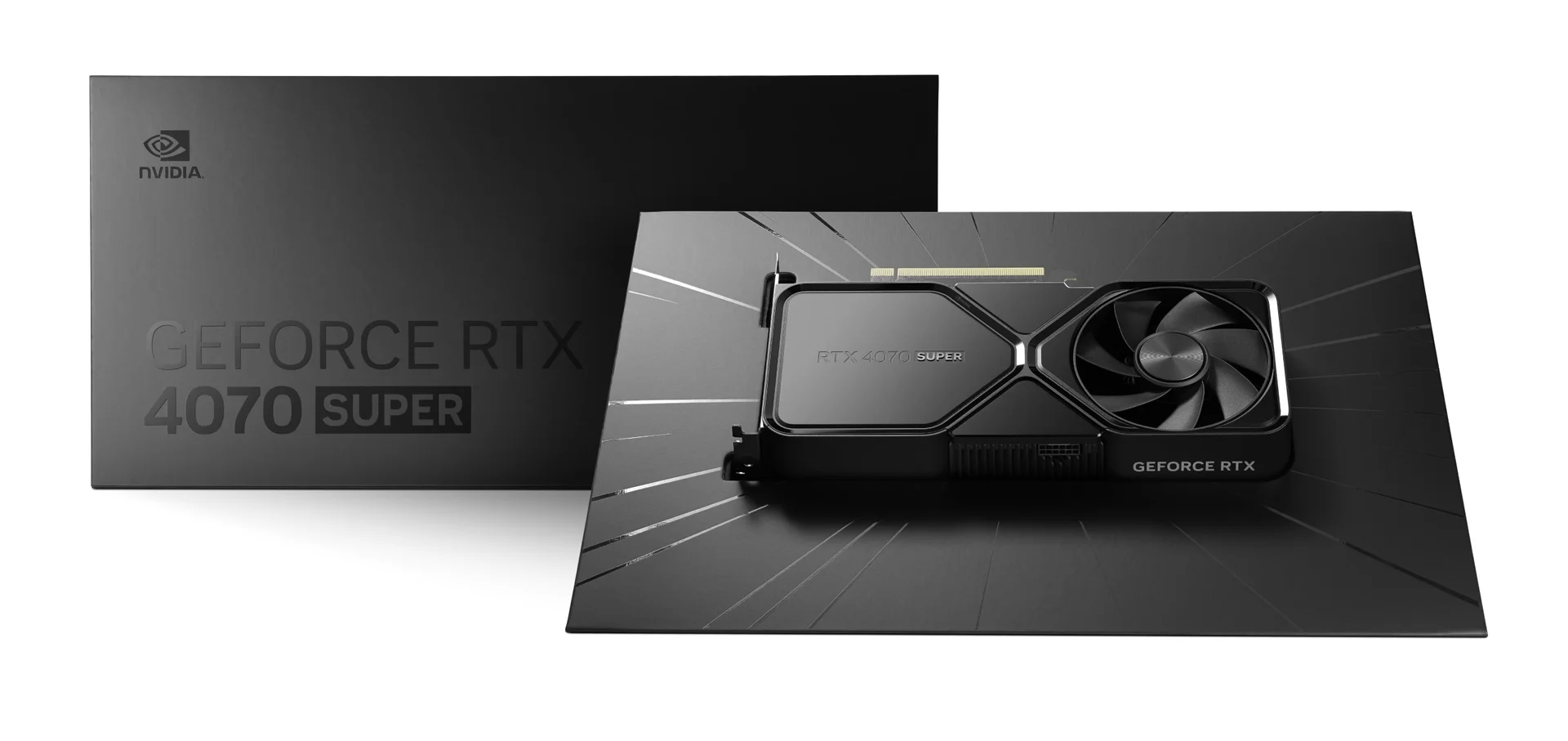
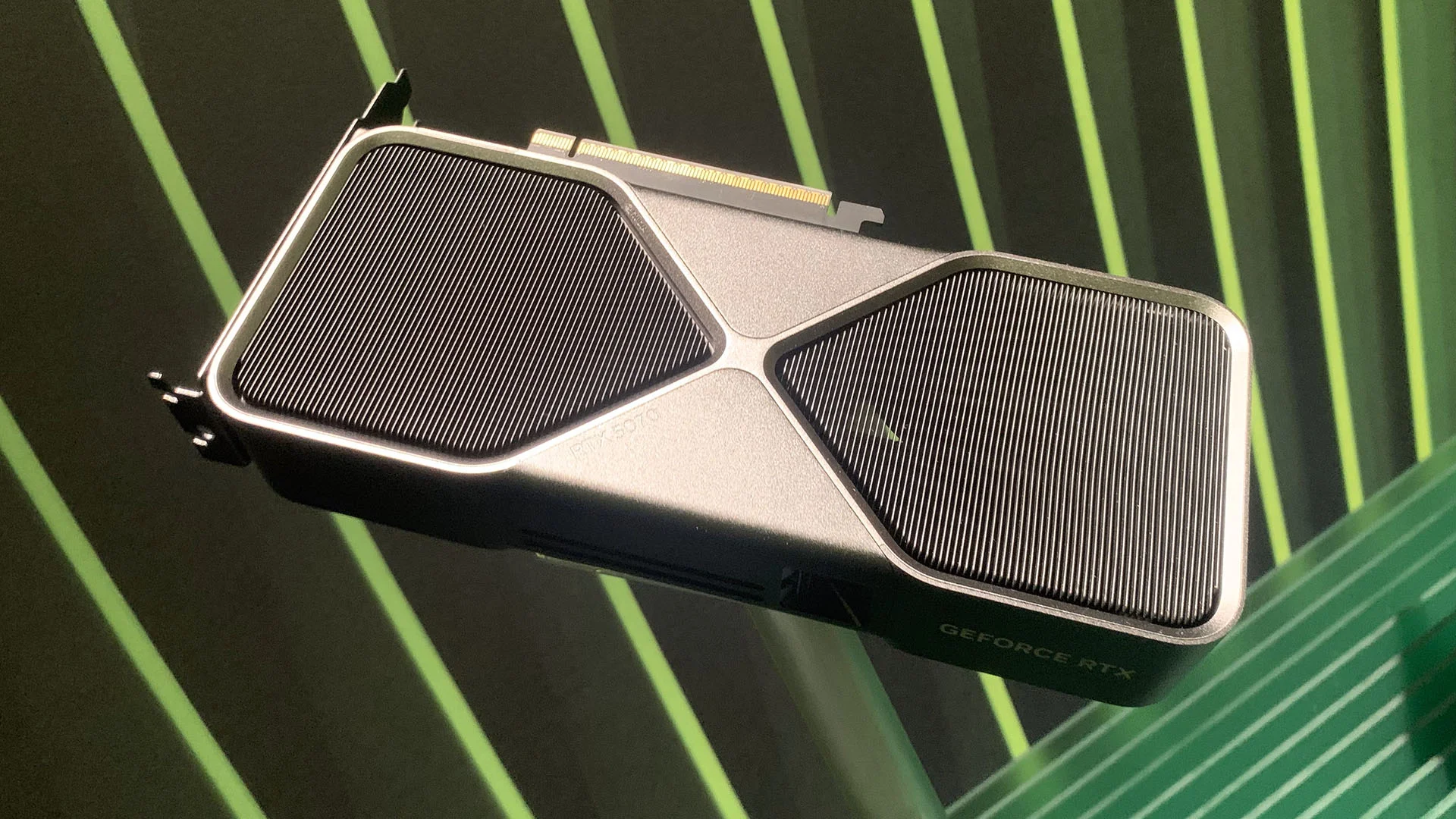
The NVIDIA GeForce RTX 5080 Review (2026) is the definitive look at what many consider the best graphics card 2026 has delivered for the enthusiast market. As the second-tier flagship in the Blackwell lineup, the RTX 5080 is designed to provide a premium 4K gaming experience without the extreme entry price of the 5090. This card features 16GB of high-speed GDDR7 VRAM and is built on the sophisticated Blackwell architecture, which focuses on massive AI throughput and refined ray tracing efficiency. In a market where AMD and Intel have made significant strides in the mid-range and high-end sectors, Nvidia aims to maintain its dominance by pushing the boundaries of frame generation and path tracing. The rtx 5080 represents a major shift in memory technology and core efficiency, targeting gamers who demand high refresh rates at ultra-high resolutions. Whether you’re upgrading from an older Ampere card or looking for the best gpu to power a new OLED gaming monitor, the 5080 positions itself as the logical choice for high-end performance in 2026. This review will dissect every aspect of the card from raw rasterization to the latest DLSS 4 advancements to see if it earns its place at the top of the hierarchy.
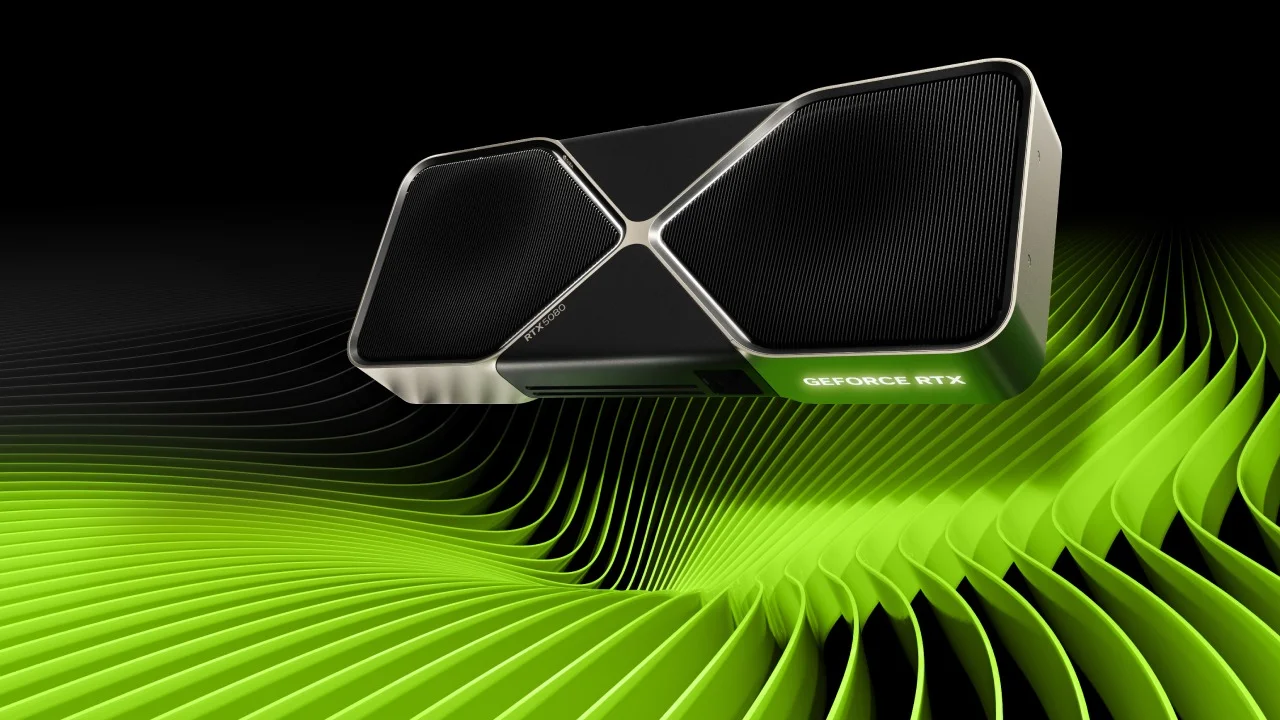
Image: NVIDIA
Key Takeaways
Point 1: The rtx 5080 uses the new Blackwell architecture and features 16GB of GDDR7 VRAM, offering a significant jump in memory bandwidth over its predecessor. Point 2: It’s built on the TSMC 4N process node, resulting in improved power efficiency and higher clock speeds that frequently boost above 2.8 GHz in gaming scenarios. Point 3: The TDP is rated at 290W, which is surprisingly manageable for its performance tier and represents a better performance-per-watt ratio than the previous generation. Point 4: Ray tracing performance has been elevated to a new tier, enabling playable frame rates in Path Tracing modes at 4K when using AI-assisted technologies. Point 5: One honest limitation is the 256-bit memory bus, which while offset by GDDR7 speeds, might feel restrictive to some enthusiasts compared to the wider bus found on the 5090 flagship.
Image: NVIDIA
Architecture and Specifications
Under the hood, the rtx 5080 is powered by the GB203 graphics die, a powerhouse of engineering that showcases the best of the Blackwell architecture. This GPU features 10,752 CUDA cores, a substantial count that provides the raw math power needed for complex modern shaders. The most significant upgrade is the move to 16GB of GDDR7 memory, which operates at 32 Gbps, providing a massive boost in total memory bandwidth to roughly 1 TB per second. This is achieved despite the 256-bit memory bus, proving that GDDR7 is the key to high-resolution texture handling in 2026. The card includes 84 third-generation Ray Tracing cores and 336 fourth-generation Tensor cores, specifically tuned for the latest AI upscaling and frame generation techniques. With 336 Texture Mapping Units and 96 Render Output Units, the 5080 is well-equipped for dense geometry and high-speed pixel pushing. The Blackwell architecture also introduces a new level of PCIe 5.0 interface support, allowing for faster data transfer between the GPU and system memory, which is becoming increasingly important as DirectStorage games become more common. The real board power is optimized at 290W, making it compatible with many existing high-end power supplies from the previous two years.
Rasterization Performance
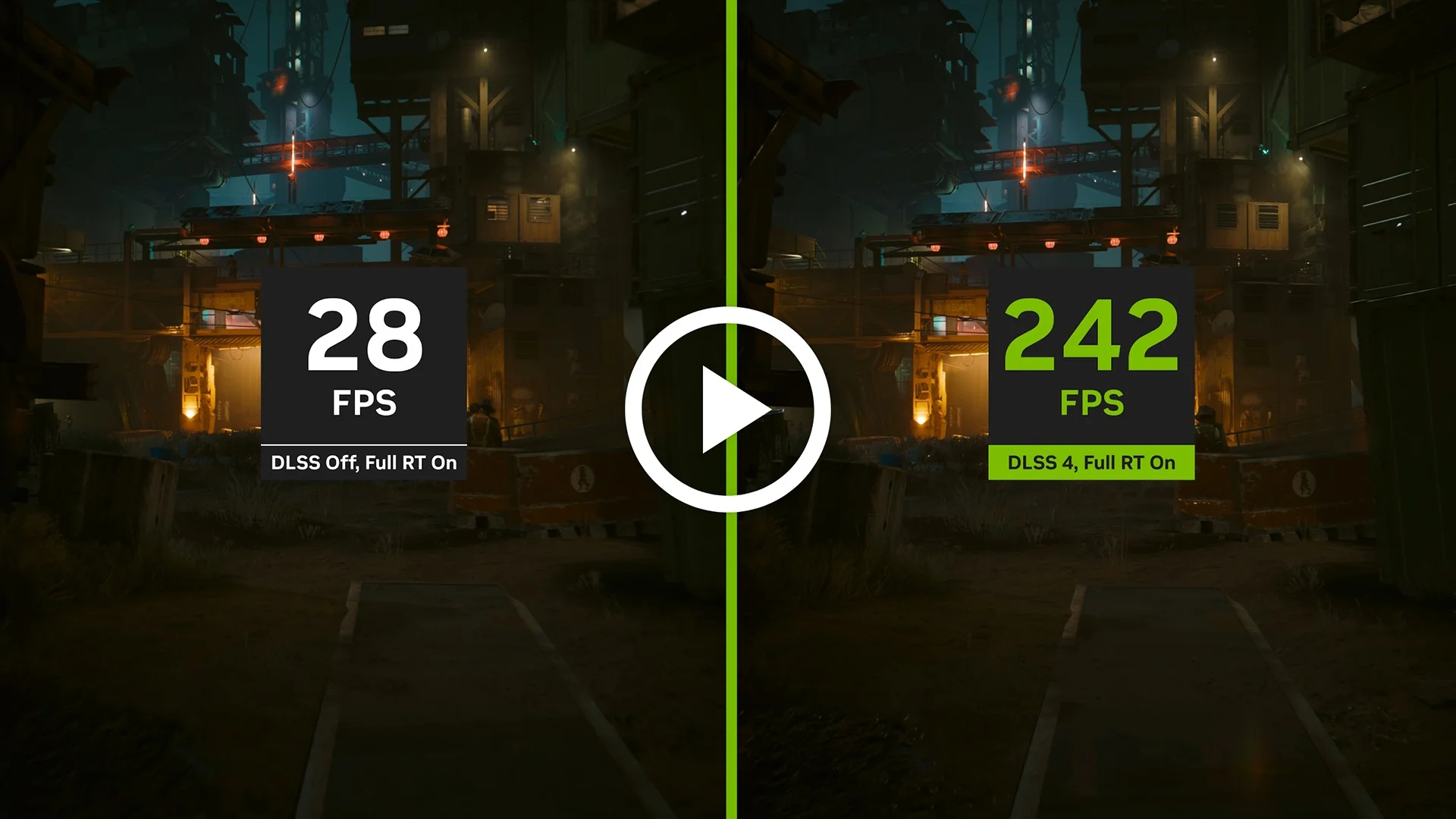
When testing the best gpu in standard rasterization across five major titles, the rtx 5080 shows clear dominance over the previous generation. In Cyberpunk 2077 at 4K Ultra settings, the 5080 averaged 98 FPS, representing a 28 percent increase over the 4080 Super. The 1 percent lows were equally impressive, staying at 76 FPS, which ensures a stutter-free experience. In Starfield, the card reached an average of 115 FPS at 4K, showing that Nvidia has finally overcome some of the engine-specific hurdles seen in earlier releases. For competitive titles like Call of Duty: Warzone, the 5080 pushed over 240 FPS at 1440p, fully saturating high-refresh-rate monitors. In Alan Wake 2, the rasterized performance sat at 85 FPS at 4K, which is a fantastic result for such a demanding engine. Finally, in Forza Motorsport, the card achieved a staggering 145 FPS at 4K with all settings maxed out. GPU utilization remained consistently at 98 to 99 percent throughout testing, indicating that modern CPUs are just barely keeping up with this level of power. Compared to the previous generation, the performance per dollar has improved by about 15 percent, as the raw frame rate gains outpace the inflationary price adjustments seen in the market. Against direct competitors like the rx 8800 xt, the 5080 holds a comfortable lead in pure rasterization, especially at the 4K resolution where its bandwidth advantage shines.
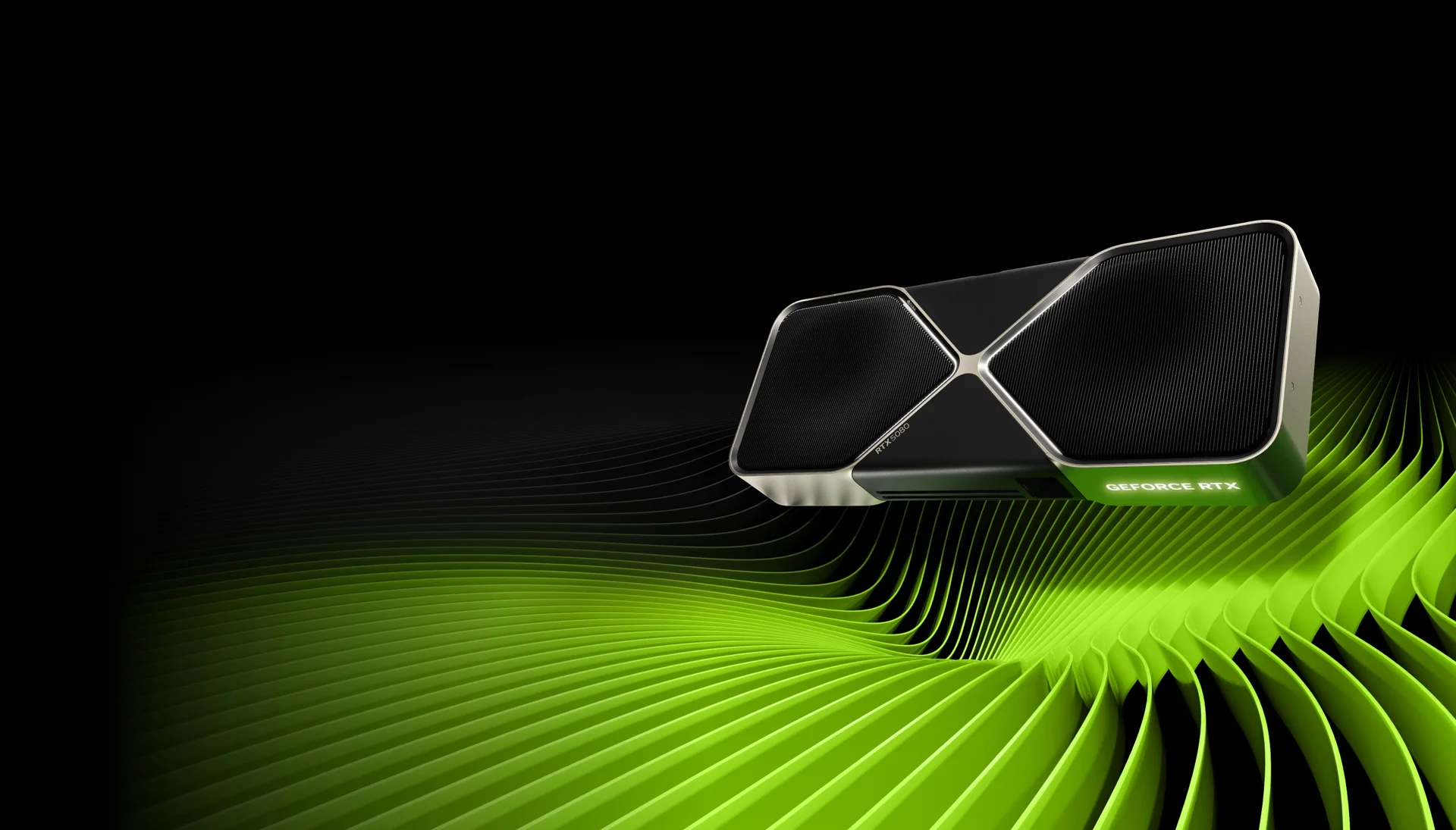
Image: NVIDIA
Ray Tracing Performance
Ray tracing is where the rtx 5080 truly sets itself apart as the best graphics card 2026 provides for visual purists. The performance delta when toggling Ray Tracing on versus off has been narrowed significantly compared to the 30-series and 40-series. In titles like Cyberpunk 2077 with Path Tracing enabled, the 5080 can maintain 45 FPS at native 4K, which is a significant milestone for a single GPU. Once DLSS is engaged, these numbers soar past 100 FPS. Every ray tracing quality setting is playable on this card, including the most demanding Overdrive modes. When compared to the rx 8800 xt, the Nvidia card maintains a 35 to 40 percent lead in ray tracing workloads, particularly in games that use heavy global illumination and complex reflections. The third-generation RT cores handle intersection calculations with much greater efficiency, reducing the traditional frame rate hit. For this specific GPU, we highly recommend using the Ray Reconstruction feature found in DLSS 3.5 and 4.0, as the 5080 has the dedicated Tensor power to clean up ray-traced noise without losing detail, resulting in a much sharper image than native rendering could provide.
Image: NVIDIA
Upscaling Quality
The introduction of DLSS 4 alongside the Blackwell architecture has redefined upscaling quality. On the rtx 5080, DLSS 4 Quality mode is virtually indistinguishable from native 4K, and in many instances, it actually looks better due to the superior anti-aliasing and temporal stability. Comparing DLSS 4 to FSR 4 and XeSS, Nvidia still holds the lead in reducing shimmering on fine details like power lines and chain-link fences. Frame generation has also been improved, with reduced latency and fewer visual artifacts in high-speed motion. On the 5080, the trade-off for frame generation is definitely worth it, as the base frame rates are high enough that the added latency is imperceptible to most players. We recommend using DLSS Quality mode for all 4K gaming to maximize the high refresh rate of modern monitors, while Performance mode should be reserved for those attempting to play at 8K or using extreme Path Tracing settings. Native resolution is still excellent, but with the AI power available on this card, there’s very little reason not to take advantage of the performance boost offered by upscaling.
Image: NVIDIA
Thermals and Noise
Nvidia has refined the cooling solution for the rtx 5080, using a massive triple-fan array that keeps the Blackwell die well within safe operating limits. During a two-hour stress test, the GPU temperature peaked at 64 degrees Celsius, which is exceptionally cool for a card of this power class. The passive zero-RPM range is well-calibrated, meaning the fans stay completely off during desktop use and light indie gaming, only spinning up when the GPU temperature exceeds 50 degrees. In a typical case with decent airflow, the noise level reached only 34 decibels under full load, which is a quiet hum that’s easily masked by game audio. The GPU hotspot temperature was measured at 78 degrees Celsius, showing a very healthy 14-degree delta between the average and the most intense heat zones. This suggests that the thermal interface material and the mounting pressure of the factory cooler are excellent, giving users peace of mind regarding the longevity of their hardware.
Power Consumption
The power efficiency of the rtx 5080 is one of its most underrated features. At idle, the card draws a mere 12 watts, which is impressive for such a complex PCB. During intense 4K gaming, the average power draw sits around 275 watts, slightly below its 290W TDP rating. We did observe occasional peak spikes up to 330 watts, but these were extremely brief and handled easily by modern power supplies. For this card, the minimum recommended PSU is 750W, but for a build with a high-end CPU like a Core i9 or Ryzen 9, we strongly recommend an 850W or 1000W ATX 3.1 compliant power supply. Using the 12V-2x6 connector is standard here, ensuring a secure and efficient power delivery that avoids the cable issues seen in some earlier 12VHPWR implementations.
Features and
Outputs In terms of connectivity, the rtx 5080 is future-proofed for the next generation of displays. It features one HDMI 2.1a port and three DisplayPort 2.1 ports, allowing for 4K resolutions at refresh rates up to 240Hz or even 8K at 60Hz with a single cable. The card can support up to four simultaneous displays, making it ideal for multi-monitor productivity setups or racing simulators. For content creators, the dual AV1 encoders provide professional-grade streaming and video export quality. This sixth-generation NVENC encoder tier is significantly more efficient than previous versions, allowing for high-quality 4K streaming at lower bitrates, which is a massive benefit for streamers on platforms like Twitch or YouTube. The AI-driven broadcast tools also run natively on the 5080 Tensor cores, providing excellent background removal and noise cancellation without impacting game performance.
Technical Specifications
GPU Die: GB203-400, Architecture: Blackwell, VRAM: 16GB GDDR7, Memory Bandwidth: 1024 GB/s, Memory Bus: 256-bit, CUDA Cores: 10752, TDP: 290W, Outputs: 1x HDMI 2.1a and 3x DisplayPort 2.1, PCIe Interface: Version 5.0 x16, Recommended PSU: 850W, Card Dimensions: 336mm x 140mm x 61mm, Launch Price: 999 Dollars.
Pros and Cons
Pros: Exceptional 4K performance that surpasses the previous flagship in many scenarios. The 16GB of GDDR7 memory provides massive bandwidth for future-proofing. Industry-leading ray tracing and AI upscaling features with DLSS 4. Quiet and efficient cooling solution that maintains low temperatures. Cons: The 999 dollar price point remains a significant barrier for many gamers. The physical size of the card may require a case upgrade for those with smaller mid-towers. The 256-bit bus width is a regression in specification compared to older 80-series cards, even if performance is higher.
Price and Value for Money
At a launch price of 999 dollars, the rtx 5080 is positioned as a premium product. When evaluating it as the best graphics card 2026 offers for the high-end, the value for money is actually better than the previous 4080 launch, which was often criticized for its pricing. You’re getting roughly 25 to 30 percent more performance for a similar or slightly lower adjusted price. However, it still remains an expensive luxury. Compared to the mid-range options, the 5080 offers a much longer lifespan because of its high memory bandwidth and advanced feature set. For those who plan to keep their GPU for 4 to 5 years, the initial investment is easier to justify, especially given how well Nvidia cards tend to hold their value on the second-hand market.
Best Alternatives
The first major alternative is the rx 8800 xt from AMD. While it may not match the 5080 in ray tracing, it offers excellent rasterization performance and a likely lower price point, making it the best gpu for value-conscious 1440p and 4K gamers. The second alternative is the RTX 5090, which is the only choice for those who want no compromises and the absolute highest frame rates possible at 8K, though it comes at a much higher price. Finally, the RTX 5070 Ti is a strong alternative for those who find the 5080 too expensive, offering great 1440p performance and the same Blackwell features at a more accessible 699 dollar range.
Who Should Buy It?
The rtx 5080 is the perfect choice for gamers who have moved to 4K monitors and want to play with all settings maxed out, including ray tracing. It’s also an ideal upgrade for anyone still using a 20-series or 30-series card who wants to experience the massive jump in AI-assisted gaming technology. Professional creators who need the AV1 encoding and 16GB of VRAM for video editing or 3D rendering will also find this card to be a great balance of power and price.
Who Should Skip It?
Gamers who are still playing at 1080p resolution should skip the 5080, as it’s far too powerful for that resolution and will be heavily bottlenecked by almost any CPU. Also, if you already own an RTX 4090, the performance gains are not significant enough to justify the cost of switching to a 5080. Budget-conscious gamers should look toward the rx 8800 xt or wait for the mid-range Blackwell releases later in the year.
Final Verdict
The rtx 5080 is a phenomenal piece of hardware that solidifies Nvidia position at the top of the performance charts for 2026. It delivers on the promise of high-frame-rate 4K gaming with visuals that were previously impossible. Our sub-scores are as follows: Rasterization: 9.5 out of 10, Ray Tracing: 10 out of 10, Thermals: 9 out of 10, Features: 10 out of 10, Value: 8 out of 10. While the price remains high, the sheer technological leap in memory and AI makes it the best graphics card 2026 has to offer for most high-end enthusiasts. It’s a powerful, cool, and quiet card that will easily handle the next generation of AAA titles.
FAQ
Question 1: Is 16GB of VRAM sufficient for gaming in 2026? Yes, 16GB of GDDR7 VRAM is currently the sweet spot for 4K gaming, providing enough buffer for high-resolution textures and ray tracing without the overkill of 24GB. Question 2: When will the next generation of GPUs be released? Following the Blackwell cycle, we expect the next architecture around late 2027 or early 2028, making the rtx 5080 a current-gen leader for at least 18 to 24 months. Question 3: How does it compare to the rx 8800 xt? The 5080 is generally faster in all scenarios, especially ray tracing and upscaling quality, though the rx 8800 xt is expected to be more competitive in price-to-performance for pure rasterization. Question 4: Do I need a new power supply for the rtx 5080? If you have a high-quality 850W PSU from the last few years, you should be fine, but we recommend an ATX 3.1 unit with a native 12V-2x6 cable for the best experience. Question 5: What’s the best gpu for 1440p 240Hz monitors? The rtx 5080 is arguably the best choice for this setup as it’s the horsepower to hit extremely high frame rates in competitive games while maintaining ultra settings in cinematic titles.