When you purchase through links on our site, we may earn an affiliate commission.
Do Gaming Headsets Have Noise Cancelling Microphones?
Understanding Noise Cancellation for Gaming Microphones
The term ‘noise cancelling’ can be imprecise in audio, especially for microphones. It does not mean a mic creates a silent vacuum around your voice. Instead, microphone noise cancellation relies on filtering, digital signal processing (DSP), and careful microphone design to reduce ambient sound pickup. This technology distinguishes speech frequencies from environmental noise, ensuring the transmitted audio signal is clean and crisp. Manufacturers employ various techniques, from basic directional patterns to sophisticated AI-driven algorithms, all aimed at isolating your voice from the gaming environment’s cacophony.
How Noise-Cancelling Microphones Work
Effective microphone noise cancellation in gaming headsets combines hardware design and intelligent software processing. This engineering often leverages multiple microphones. The fundamental principle is to clearly capture your voice while simultaneously identifying and suppressing unwanted sounds. This ranges from simple acoustic isolation to complex real-time audio analysis. Understanding these mechanisms is crucial for evaluating a microphone’s actual performance. We prioritize measurable improvements in signal-to-noise ratio over marketing buzzwords.
Unidirectional (Cardioid) Microphone Patterns
The most fundamental form of microphone noise cancellation begins with its polar pattern. A unidirectional, or cardioid, microphone primarily picks up sound from one direction—typically directly in front. This inherent characteristic means it naturally rejects sounds from the sides and rear, which is why most gaming headset boom mics use this pattern. Focusing its pickup area directly on your mouth minimizes the capture of ambient room noise, keyboard clicks, or distant chatter. This method forms the bedrock of clear voice transmission. Higher-end designs may use hypercardioid or supercardioid patterns, offering even tighter focus, albeit with a small lobe of sensitivity directly behind the mic.
 Image: representative product (SteelSeries)
Environmental Noise Cancellation (ENC) and Digital Signal Processing (DSP)
Beyond simple directional patterns, many modern gaming headsets employ Environmental Noise Cancellation (ENC), which relies on sophisticated Digital Signal Processing (DSP) chips or software algorithms. This technology frequently involves multiple microphones: one focused on your voice and others dedicated to capturing ambient room noise. The DSP analyzes these separate audio streams in real-time. It identifies common elements in the ambient noise microphone’s input, processes them, and digitally subtracts these frequencies from your voice signal, resulting in a cleaner vocal track. High-quality ENC effectively removes consistent background hums, fan noise, and even intermittent loud sounds without distorting your voice. Specifications citing specific DSP chips or AI algorithms indicate genuine technical implementation, unlike vague ‘optimized’ claims.
Software-Based Noise Reduction
Even if a headset’s hardware noise cancellation is not top-tier, software solutions have become powerful. Platforms like Discord offer integrated noise suppression (Krisp), and NVIDIA Broadcast provides AI-powered noise removal that virtually eliminates aggressive background sounds—such as dog barking or a loud vacuum cleaner—from your microphone feed. These software utilities often leverage machine learning models, trained on vast datasets of voice and noise, to intelligently differentiate between them. The advantage is that these solutions apply to almost any microphone, effectively upgrading its noise-cancelling capabilities without new hardware. This significantly enhances communication for setups that struggle with noise. We have observed these tools effectively improve comms in highly noisy environments.
Key Factors for Effective Microphone Noise Cancellation
Evaluating a gaming headset’s microphone, particularly its noise-cancelling effectiveness, involves several technical factors. The concern is not merely if it has noise cancellation, but how well it implements it. Ignoring these specifics often leads to disappointment, despite marketing claims. Our testing shows that a balanced approach, considering both hardware and potential software enhancements, yields the best results. For microphone clarity, the details are critical. Avoid generic ‘crystal clear audio’ claims lacking concrete specifications.
Microphone Type and Placement
The physical design and placement of the microphone are crucial starting points for effective noise cancellation. A flexible, adjustable boom microphone positioned close to your mouth (ideally 1-2 inches away) offers inherent advantages. This proximity maximizes your voice’s signal strength relative to ambient noise, reducing the load on noise-cancelling algorithms. Integrated or ‘invisible’ microphones, while aesthetically pleasing, often struggle with background noise due to their distance from the mouth and greater environmental pickup. For serious gaming where communication is critical, a dedicated boom mic consistently proves the superior choice.
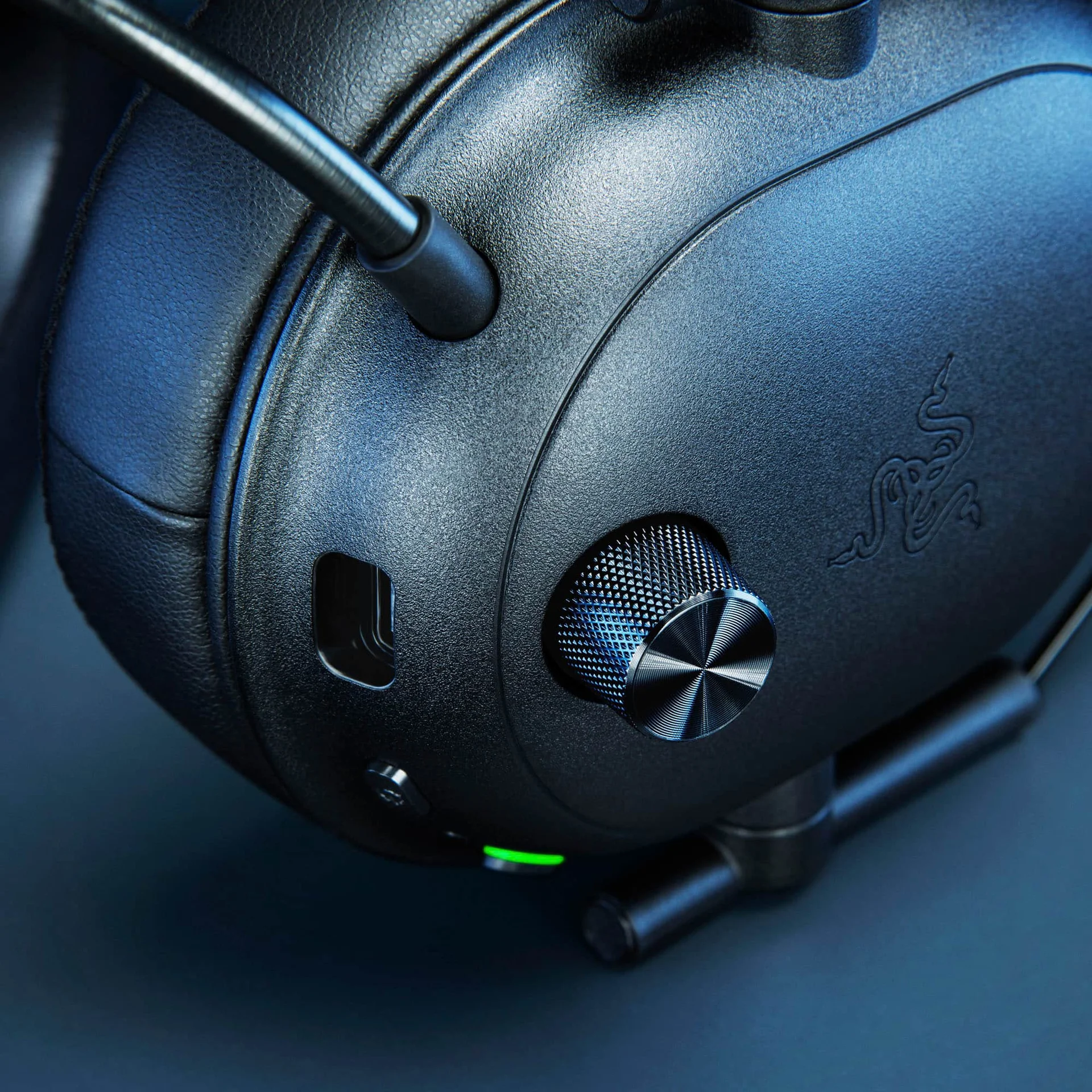 Image: representative product (Razer)
Digital Signal Processing (DSP) and AI Algorithms
The sophistication of a headset’s DSP chip or accompanying software algorithms directly correlates with its noise-cancelling performance. Entry-level headsets may use basic high-pass filters to cut low-frequency rumble, but higher-end models often feature dedicated DSPs capable of real-time, multi-band noise reduction. Advanced implementations involve AI-powered algorithms, which excel at differentiating complex sound profiles—such as human speech versus mechanical keyboard sounds or loud TV audio. When reviewing specifications, investigate whether the headset boasts a proprietary DSP solution or integrates with established third-party software for noise reduction. This represents the intelligent core of noise cancellation, moving beyond simple acoustic principles.
Microphone Polar Pattern
As discussed, the polar pattern defines a microphone’s sensitivity to sounds from different directions. For noise cancellation, a unidirectional pattern (like cardioid) is preferred. This means the microphone is most sensitive to sounds directly in front of it and least sensitive to sounds from the sides and rear. This characteristic significantly reduces ambient room noise pickup. Some professional-grade gaming microphones use supercardioid or hypercardioid patterns, offering an even tighter focus, though these can be less forgiving of head movement. Understanding this specification ensures the microphone prioritizes your voice.
Frequency Response and Sensitivity
While not direct noise-cancelling features, a microphone’s frequency response and sensitivity heavily influence its overall clarity and how well noise cancellation performs. A microphone with a frequency response tailored for human speech (typically 100 Hz to 10 kHz) naturally emphasizes your voice, making it easier for noise-cancelling algorithms to distinguish. Sensitivity (measured in dBV/Pa) indicates the mic’s output signal level for a given sound pressure. A more sensitive mic might pick up subtle voice nuances but can also be more susceptible to background noise if not paired with robust noise cancellation. The goal is to find the right balance for rich, clear voice transmission, not muffled audio.
When Microphone Noise Cancellation Matters Most
The necessity of robust microphone noise cancellation scales with a user’s gaming environment and ambitions. For some, it’s a minor convenience; for others, it’s an absolute requirement. We have observed numerous scenarios where poor microphone quality actively sabotages gameplay or content. Using a microphone that picks up every echo and background chirp in late 2026 diminishes both your experience and your teammates’. Effective communication, the backbone of any team-based experience, relies on clear audio.
Competitive FPS Players
Competitive FPS players should prioritize headsets with dedicated, high-quality boom microphones featuring a unidirectional (cardioid) polar pattern and advanced hardware-based Environmental Noise Cancellation (ENC). Look for models explicitly mentioning robust DSP or AI-driven noise reduction. Supplement this with software like NVIDIA Broadcast or Discord Krisp for an additional layer of filtering. Microphone proximity to the mouth is crucial. Clear communication directly impacts win rates; therefore, investing in clarity contributes significantly to team success.
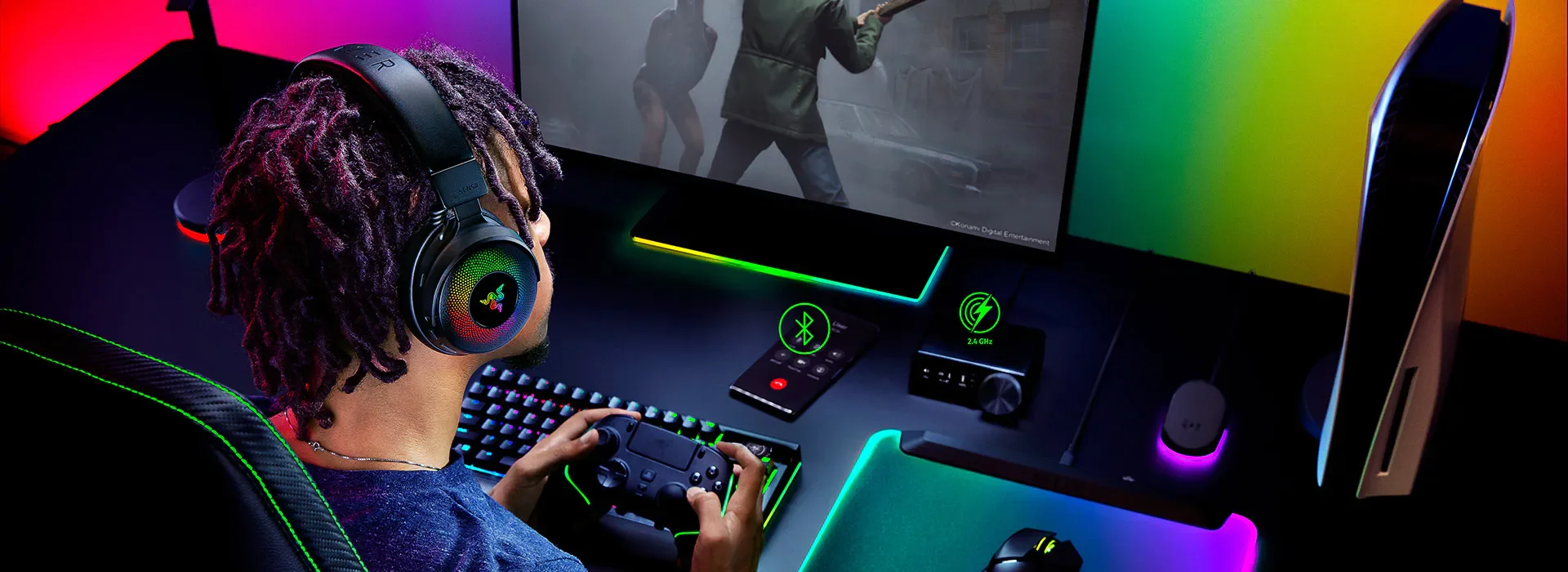 Image: representative product (Razer)
Streamers and Content Creators
For streaming on Twitch, creating YouTube content, or recording podcasts, audio quality is non-negotiable. Audiences expect professional-grade sound; a noisy microphone can be a significant deterrent, regardless of content quality. A strong noise-cancelling microphone ensures pristine voice capture, separating it from game audio, keyboard sounds, and other ambient noise that detracts from the viewer experience. Dedicated DSP and AI solutions enhance perceived production value dramatically. A robust microphone prevents audio from being the weak link in a broadcast chain.
 Image: representative product (NZXT)
Shared Spaces and Noisy Environments
For gamers in shared accommodations, busy households, or rooms with loud PCs, effective microphone noise cancellation is a necessity, not a luxury. It enables effective communication without disturbing others or letting their noises bleed into game chat. The practical benefits are most apparent here, transforming potentially frustrating communication into a seamless experience. For instance, coordinating a raid during noisy household activities becomes manageable with a capable noise-cancelling microphone. We recognize the significant improvement good technology brings in such environments.
Common Mistakes to Avoid
Navigating gaming audio presents common pitfalls. Many gamers often prioritize headphone audio quality, overlooking the microphone—a critical mistake. Avoiding these missteps saves frustration and ensures an investment delivers the necessary clear communication. Excellent game audio is irrelevant if teammates can’t understand calls. This balance is often skewed by marketing that emphasizes listening experience over microphone performance.
Confusing Mic NC with Headphone ANC
Microphone noise cancellation (focused on outgoing voice) is distinct from Active Noise Cancellation (ANC) in headphone earcups (focused on listening experience). Many headsets boast ANC for immersion, but this does not automatically imply their microphone excels at canceling outgoing noise. Always check specific microphone features, looking for terms like ‘ENC,’ ‘AI noise reduction,’ or ‘directional microphone,’ rather than assuming strong listening ANC translates to a stellar noise-cancelling mic. Avoid marketing confusion.
Ignoring Software-Based Solutions
Purchasing a high-end headset for hardware noise cancellation is beneficial, but neglecting powerful software options is a missed opportunity. Tools like NVIDIA Broadcast or Discord’s built-in noise suppression often enhance premium microphones or significantly improve budget options. Ignoring these tools means underutilizing potential performance. We advocate for a holistic approach: good hardware paired with intelligent software. This combination ensures maximum clarity and performance.
Expecting Perfection from Budget Mics
While many entry-level gaming headsets claim ‘noise cancellation,’ truly effective, transparent noise reduction requires advanced hardware and processing. Expecting a $50 headset to filter out a leaf blower with pristine voice clarity is unrealistic. Budget options typically offer basic filtering, which reduces constant hums but may struggle with sudden, loud noises or complex background chatter without distorting voice. Understanding diminishing returns and managing expectations based on budget is crucial. Audio fidelity and noise rejection capabilities often directly reflect investment.
How to Ensure Clear Comms
Achieving crystal-clear communication in a gaming setup involves more than buying a headset with ‘noise cancelling’ on the box. It requires optimizing the entire audio chain, from microphone placement to software settings. Consider your environment, primary use case, and budget. A methodical approach dramatically improves outgoing voice quality, ensuring teammates hear every crucial callout and audiences enjoy every word. This integrates practical application with technical understanding.
For Competitive FPS Players
For Casual Gamers
While high-end solutions exist, casual gamers often find excellent value in mid-range headsets. Look for models with a decent boom microphone and at least basic ENC. Crucially, leverage free software solutions like Discord’s noise suppression, which dramatically improves clarity without additional cost. Avoid overspending on underutilized features; focus on a solid hardware foundation enhanced with software. This balance ensures clear communication without excessive expenditure, often sufficient for casual gaming.
For Streamers & Creators
Streamers and creators should invest in a headset (or a dedicated XLR/USB microphone) with exceptional noise-cancelling capabilities. Look for advanced DSP, multiple microphones for superior ENC, and a wide, flat frequency response for natural voice reproduction. Integrate powerful software like NVIDIA Broadcast into your streaming setup. Consider a dedicated pop filter and proper microphone gain staging. Audio quality directly impacts professional image; compromises in this area will be noticed. Delivering consistent, studio-grade sound requires appropriate tools.
For Budget Buyers
On a tight budget, focus on headsets with a well-positioned boom microphone. While hardware-based noise cancellation may be rudimentary, significant performance gains come from leveraging free software. Utilize Discord’s built-in noise suppression, or if you have an NVIDIA GPU, enable NVIDIA Broadcast. These tools transform a basic microphone into a surprisingly capable one for noise reduction. Don’t be swayed by vague marketing claims; prioritize good microphone placement, then let software handle heavy lifting. This approach offers optimal value for clear communication without higher hardware investment.
Final Verdict
Yes, gaming headsets feature noise-cancelling microphones, and in 2026, this is an expected capability rather than a premium add-on. Effectiveness, however, varies significantly based on hardware design, DSP sophistication, and intelligent software application. For clear communication, prioritize headsets with well-designed boom microphones, look for specific mentions of ENC or AI-driven noise reduction, and always leverage powerful software solutions like Discord’s Krisp or NVIDIA Broadcast. Your voice is your weapon in the digital arena; ensure it cuts through the noise. Settle for nothing less than pristine clarity when stakes are high.
Frequently Asked Questions
Is microphone noise cancellation the same as headphone active noise cancellation (ANC)?
No. Microphone noise cancellation filters ambient sound from your outgoing voice, ensuring clear communication. Headphone Active Noise Cancellation (ANC), conversely, reduces environmental noise entering your ears for immersive listening. These are distinct technologies with different functions, though some premium headsets integrate advanced DSP for both.
Can software improve my headset's noise-cancelling microphone?
Yes. Software solutions like NVIDIA Broadcast, Discord's Krisp, or integrated audio suites from manufacturers significantly enhance noise reduction. These programs often use advanced AI algorithms to distinguish voice from background noise, offering clarity that hardware alone, particularly on budget headsets, may struggle to achieve. We recommend exploring these options.
What is the best type of microphone for noise cancellation in gaming?
In our experience, a boom microphone with a unidirectional (cardioid) polar pattern provides the best foundation for noise cancellation. Its close proximity to the mouth inherently minimizes environmental pickup, and the directional pattern focuses on your voice. Combined with effective Environmental Noise Cancellation (ENC) or DSP, these setups consistently deliver superior clarity compared to integrated or omnidirectional designs. Proper placement is crucial.
Related Articles
- Astro A50 X Review (2026): Is This the Best Gaming Headset?
- Audeze Maxwell Review (2026): Is This the Best Gaming Headset?
- Best Gaming Headset by Budget (2026): Top Picks for Every Price Range
- Best Gaming Headsets of 2025: Top Wireless Picks for PS5, Xbox, and PC
- Best Gaming Headsets of 2026: Top Wireless Picks for PS5, Xbox, and PC