When you purchase through links on our site, we may earn an affiliate commission.
What We Like
- Superior comfort for extended wear due to ergonomic designs and plush earcups.
- Excellent microphone quality with noise cancellation features for clear communication.
- Immersive sound for music or background noise masking, often with spatial audio capabilities.
What Could Be Better
- Aesthetics can be less professional for formal video calls.
- Some gaming software features are unnecessary or complex for work use.
- Battery life on wireless models, while often good, still requires management.
Quick Answer
Introduction
For hybrid workers, the line between ‘play’ and ‘productivity’ often blurs. The question then arises: can a gaming headset handle work demands? The answer is yes, with the right selection. This guide provides a framework to assess if your current or prospective gaming headset meets the requirements of a modern workspace.
Microphone Quality for Professional Calls
The microphone is often the most critical component for work. Gaming headsets frequently feature robust, noise-cancelling boom microphones designed for clear in-game communication, a quality that translates directly to professional calls. Many offer unidirectional pickup patterns, focusing on your voice and rejecting ambient noise. Some models, like Logitech G Pro X headsets with Blue VO!CE technology, integrate advanced software for real-time voice filters, noise reduction, and compression, aiming for studio-quality sound. However, ‘gaming quality’ isn’t always ‘broadcast quality,’ so we recommend checking reviews specifically for voice clarity.
 Image: representative product (SteelSeries)
Comfort for Long Sessions
Comfort is essential for extended wear, whether you are gaming for hours or in back-to-back meetings. Gaming headsets are engineered for prolonged use, often featuring plush memory foam earcups and adjustable headbands. Materials like breathable cloth or protein leatherette minimize discomfort during sustained use. This ergonomic focus provides a significant advantage over many basic office headsets, which may prioritize portability or a lighter build over all-day comfort.
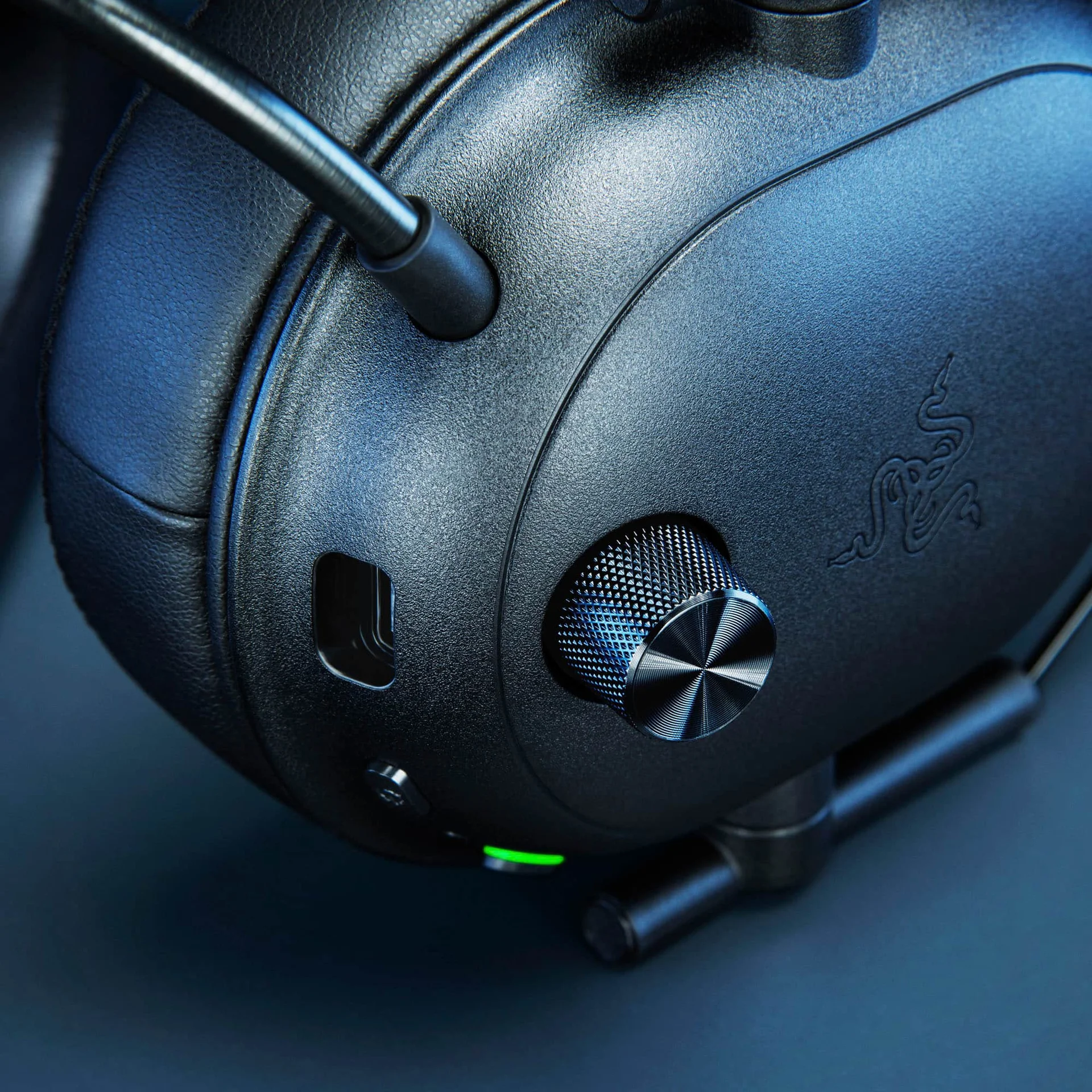 Image: representative product (Razer)
Connectivity and Compatibility
Connectivity options include wired (3.5mm or USB) and wireless (2.4GHz dongles or Bluetooth). Wired connections offer reliable, low-latency audio without battery concerns, with USB often unlocking software features for audio customization. Wireless gaming headsets provide freedom of movement, beneficial for pacing during long calls. While 2.4GHz offers lower latency than Bluetooth, ensuring a stable connection is crucial for work. Many modern gaming headsets also offer multi-platform compatibility, connecting to PCs, consoles, and mobile devices, enhancing their versatility for a hybrid setup.
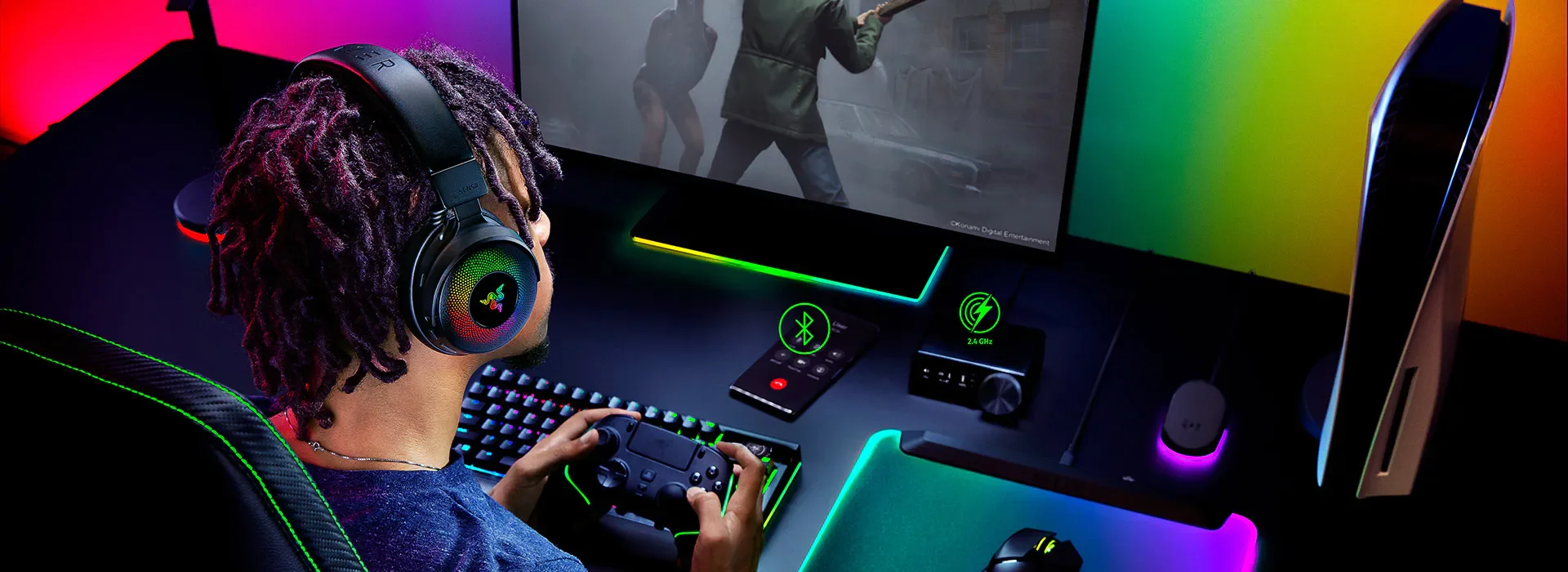 Image: representative product (Razer)
Aesthetics and Professionalism
A headset with prominent RGB lighting and aggressive angles might not project professionalism on a video call. This is a common aesthetic challenge with some gaming headsets. However, the market has matured; many brands now offer understated designs that blend seamlessly into a professional environment. We recommend looking for models with minimal branding, dark color schemes, and detachable microphones that can be removed for a more discreet appearance, making the headset resemble standard headphones.
 Image: representative product (NZXT)
Features to Look For
Beyond core audio, certain features are crucial for work. An accessible mute button on the earcup or inline control is non-negotiable for quick privacy. Volume controls are equally important. Sidetone, which feeds your voice back into your ears, helps prevent shouting during calls. Software integration for custom EQ profiles or microphone adjustments can fine-tune audio for different work scenarios. These quality-of-life additions make a tangible difference in daily use.
Recommended Gaming Headsets for Work
We’ve identified a few top contenders that balance gaming prowess with professional utility.
HyperX Cloud II
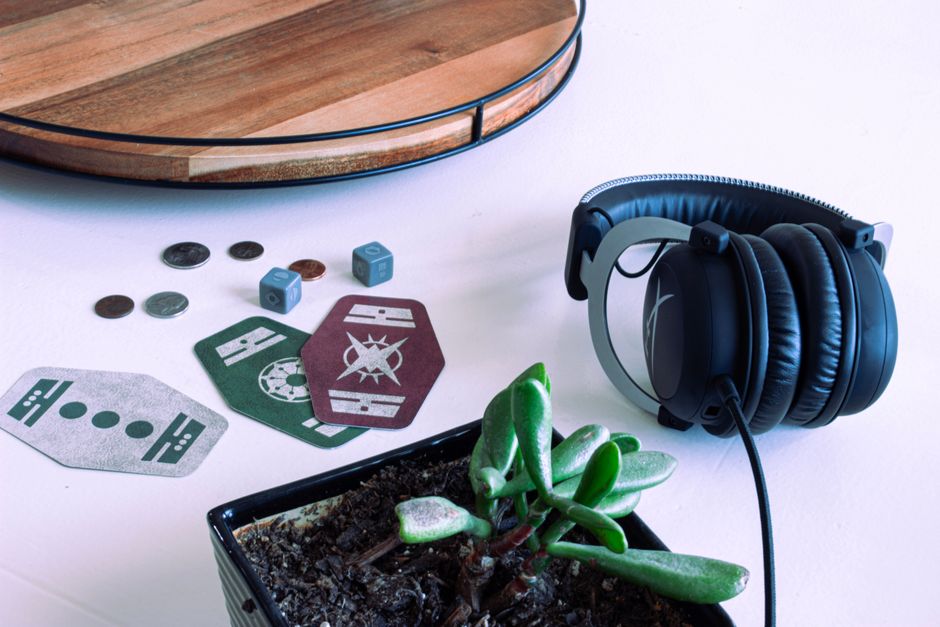
The HyperX Cloud II remains a benchmark for comfort and reliable audio. Its robust build, featuring an aluminum frame, ensures durability. The detachable microphone, while not broadcast-grade, offers clear voice capture suitable for most professional calls and can be removed for a more discreet look. We find it exceptionally comfortable for extended wear, thanks to its memory foam ear cups. It connects via 3.5mm or USB, providing broad compatibility. This headset is often available for around $60-$80, making it an excellent value.
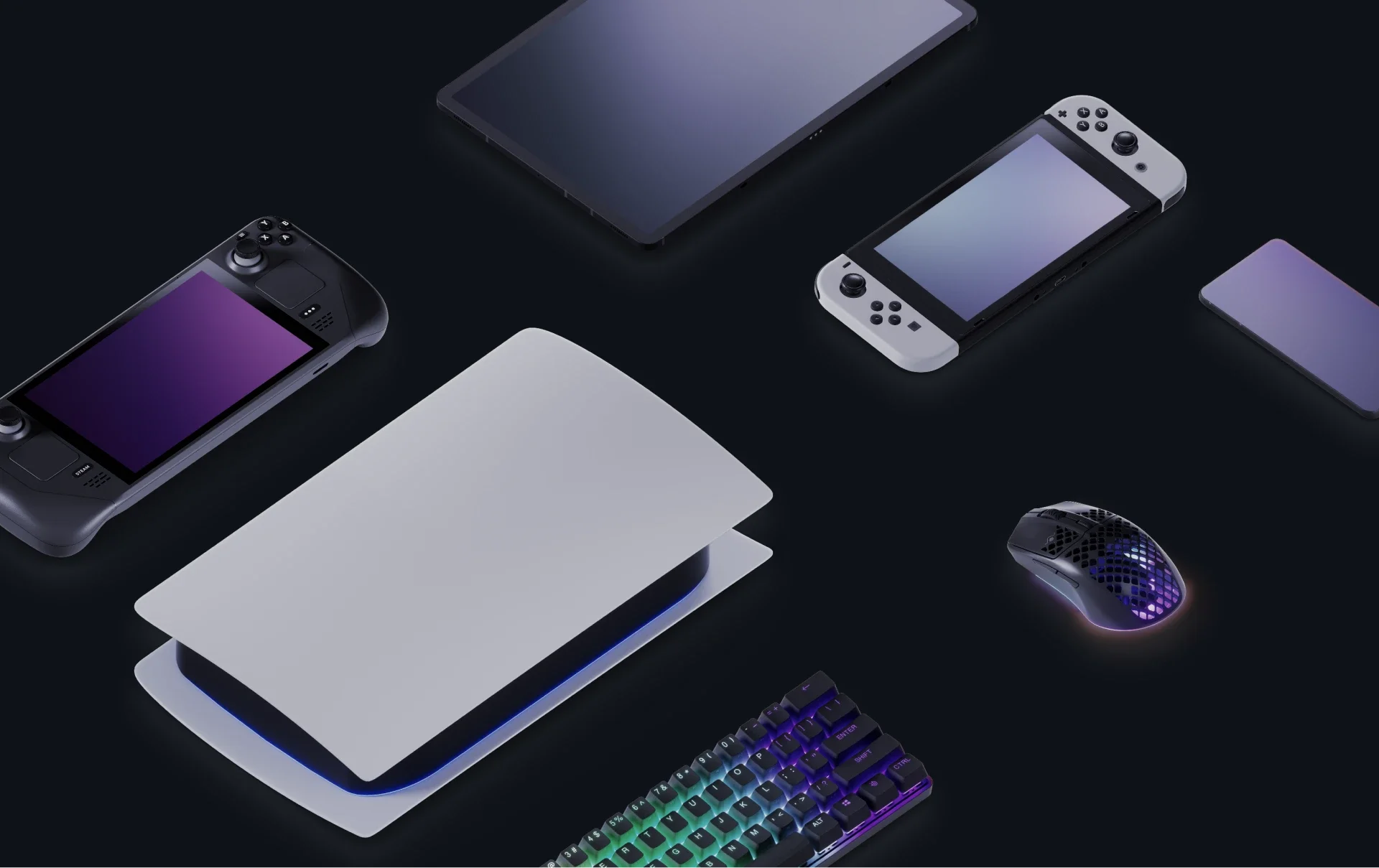 Image: representative product (SteelSeries)
SteelSeries Arctis 7+
For those requiring wireless freedom, the SteelSeries Arctis 7+ is a solid option. It features a comfortable ski-goggle headband and soft ear cushions for long sessions. The retractable ClearCast microphone is Discord-certified, known for its studio-quality voice clarity and effective background noise reduction, making it excellent for professional communication. With 2.4GHz wireless connectivity, you get low latency and a strong signal. Its battery life is impressive. It typically costs around $150-$180.
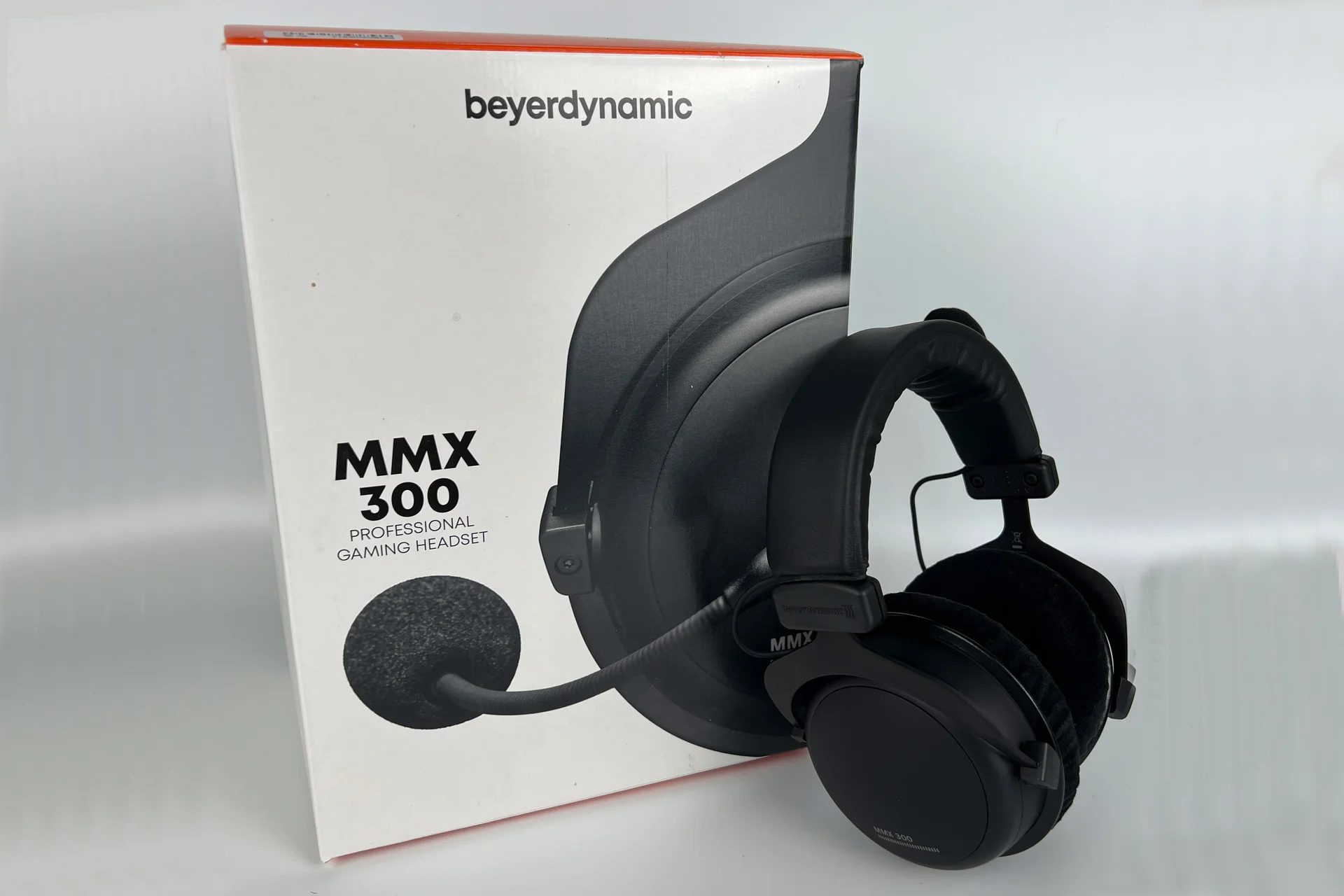 Image: representative product (beyerdynamic)
Logitech G Pro X
The Logitech G Pro X stands out, primarily for its Blue VO!CE microphone technology. This software suite enables extensive real-time voice filtering, noise reduction, and EQ adjustments, ensuring clear, rich, and professional-sounding voice output – a significant advantage for critical calls or even light streaming. It boasts strong build quality with a steel and aluminum frame and comes with both leatherette and cloth earpads for customizable comfort. Expect to pay around $90-$130 for this wired option.
 Image: Logitech
Common Pitfalls to Avoid
Avoid common traps when selecting a headset. First, overpaying for unused features is a classic mistake. If competitive gaming features like advanced spatial audio or hyper-specific sound profiles aren’t needed, prioritize mic clarity and comfort. Second, ignoring aesthetics can be problematic; a headset ideal for your battle station might distract on a client call. Third, skipping software compatibility means missing out on crucial mic customization. Finally, buying purely on brand hype without verifying real-world performance for your specific work needs wastes money.
How to Match the Right Product to Your Needs
Tailoring your headset choice to your specific work style is key. There’s no one-size-fits-all solution, so consider your typical day.
For Hybrid Workers & Frequent Video Callers
Prioritize microphone quality above all else. A headset with a clear, noise-cancelling boom mic and software-based voice enhancements will make the biggest difference. Comfort for 8+ hour days is also critical. We recommend models like the Logitech G Pro X for its Blue VO!CE tech or the SteelSeries Arctis 7+ for its ClearCast mic and wireless flexibility. Aesthetics should be subtle if client-facing calls are common.
For Casual Users & Background Music Listeners
If work calls are infrequent and mostly internal, you can lean more on overall sound quality for music and general comfort. Any decent gaming headset with a detachable mic will likely suffice. The HyperX Cloud II is a great example, balancing solid audio, comfort, and a capable mic at a reasonable price point. Focus on models known for good passive noise isolation to help block out office distractions.
Final Verdict
Ultimately, a well-chosen gaming headset can absolutely perform double duty for work. The comfort, robust microphone quality, and immersive audio demanded by gamers translate directly into benefits for professional use. Be mindful of mic performance, all-day comfort, and a design that doesn’t scream ‘gamer’ during your next quarterly review. With the right pick, you get one less peripheral cluttering your desk and one more piece of gear that truly earns its keep.
Frequently Asked Questions
Are gaming headsets better than office headsets?
Not inherently. Gaming headsets often prioritize immersive sound and strong mic performance for in-game communication, while office headsets focus on clear speech and comfort for prolonged calls. Gaming headsets typically offer superior passive noise cancellation due to their over-ear designs.
Do gaming headsets have good noise cancellation?
Many gaming headsets offer strong passive noise cancellation due to their over-ear design. Some include active noise cancellation (ANC) features or software-based noise reduction for the microphone, which helps filter out background noise for listeners on calls.
Is a wired or wireless gaming headset better for work?
Wired headsets offer zero latency and no battery concerns, providing reliability for critical calls. Wireless headsets provide freedom of movement. Many modern options, like those using 2.4GHz connections, have low latency and sufficient battery life for all-day use.
Can I use gaming headset software for work calls?
Yes, many gaming headset software suites, like Logitech's G HUB with Blue VO!CE technology, offer features such as noise reduction, compression, and EQ adjustments. These can significantly improve voice clarity for professional calls.
Do gaming headsets look unprofessional in an office setting?
Some gaming headsets, particularly those with aggressive styling or prominent RGB lighting, might appear unprofessional in formal work environments. However, many brands now offer sleeker, more subtle designs that blend better into a professional setting.