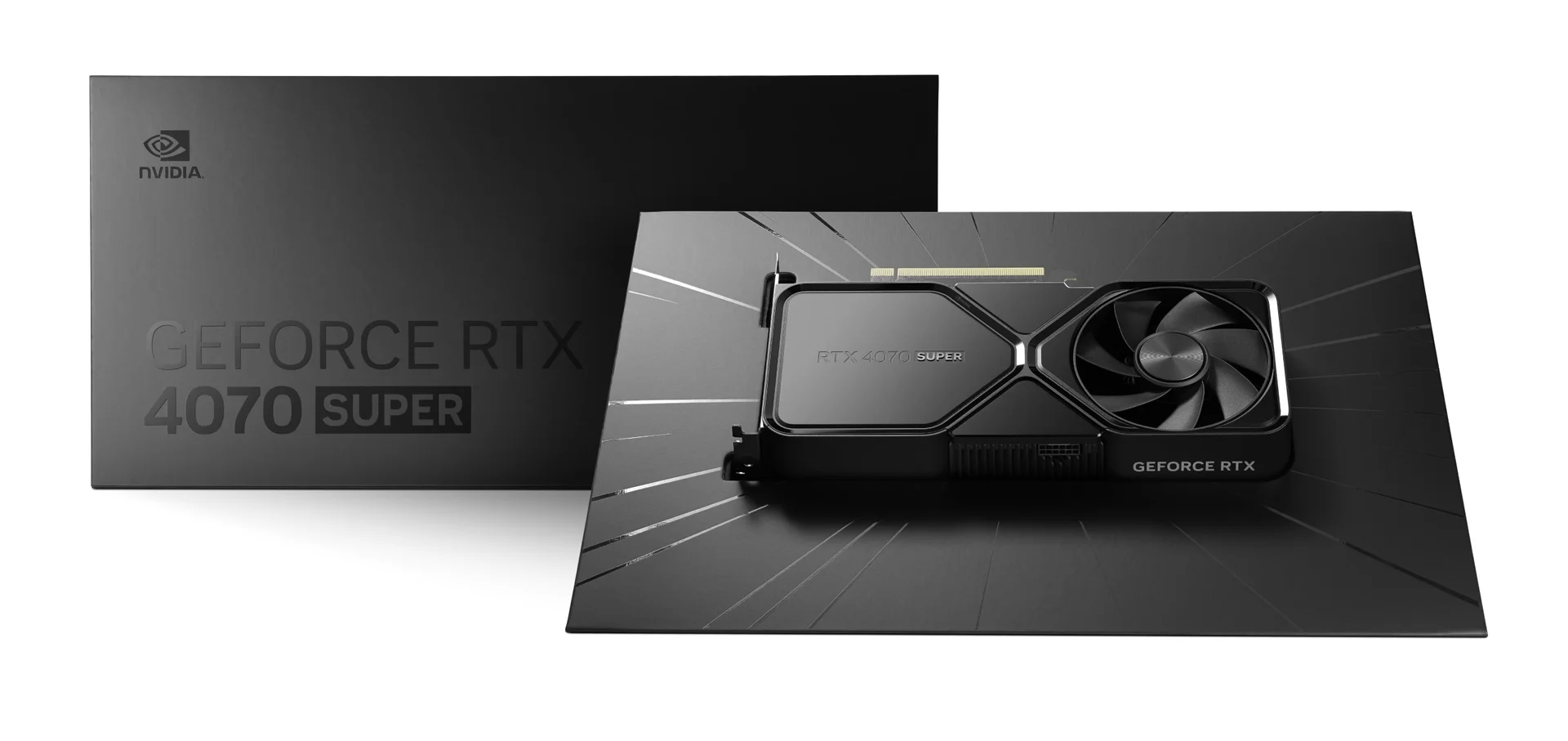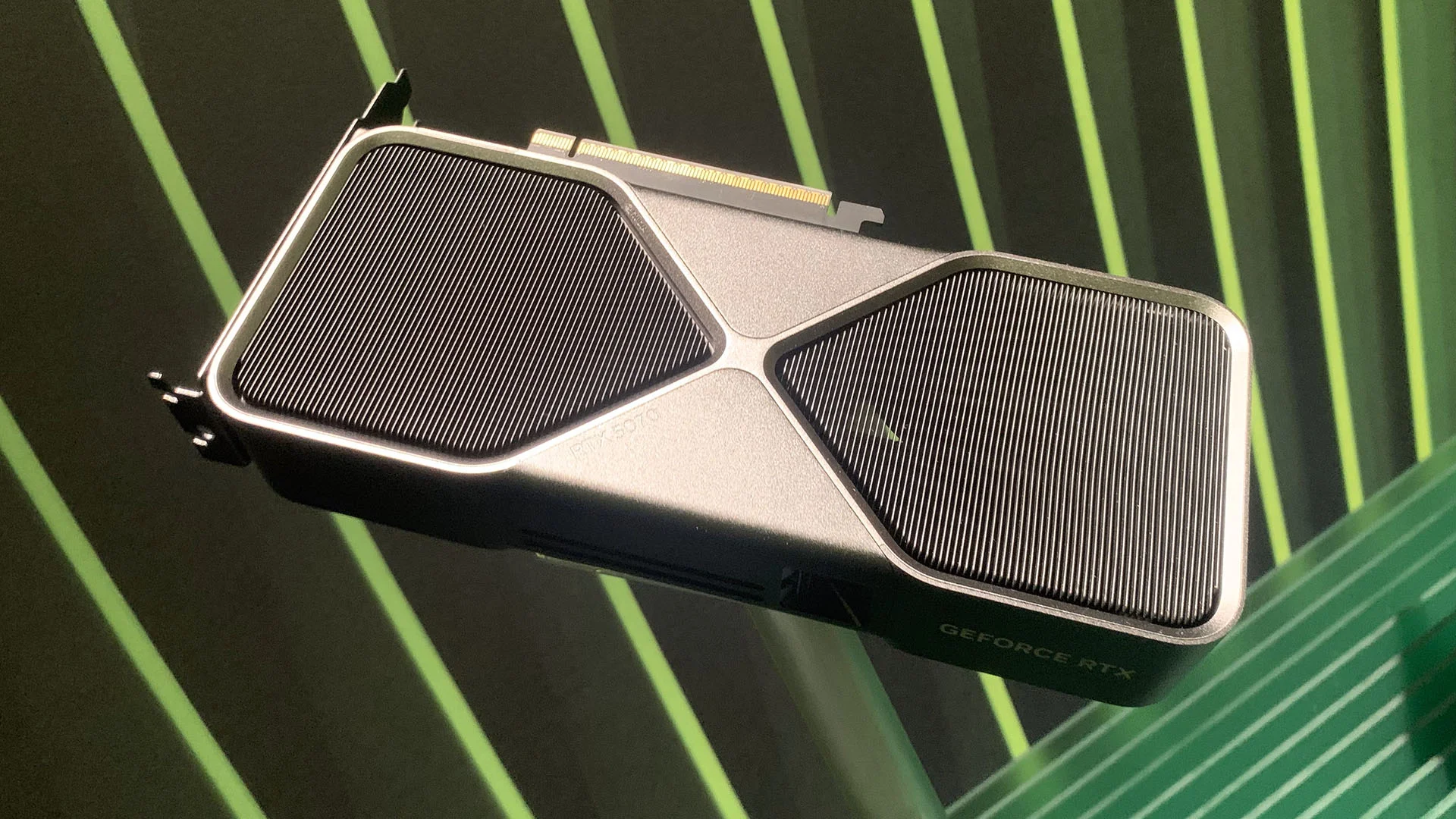
When you purchase through links on our site, we may earn an affiliate commission.
What We Like
- NVIDIA RTX 5060 Ti offers industry-leading ray tracing hardware and DLSS 4.0 frame generation.
- AMD Radeon RX 8700 provides superior raw rasterization performance at a lower price point.
- Both series feature significant improvements in power efficiency compared to 2024 architectures.
- Support for DisplayPort 2.1 across both brands ensures better future-proofing for high-refresh monitors.
What Could Be Better
- NVIDIA remains stingy with VRAM, which might cause stutters in heavily modded titles at 1440p.
- AMD FSR 4.0 is still catching up to NVIDIA in terms of image reconstruction stability.
- Availability at launch MSRP has been inconsistent due to high demand for these specific mid-range tiers.
- Software drivers for the new architecture initially had some stability hiccups at release.
The Mid-Range Battle for 1440p Dominance
The mid-range GPU segment for 1440p gaming in 2026 is fiercely contested between the NVIDIA RTX 5060 Ti and the AMD Radeon RX 8700, each offering distinct advantages for the average enthusiast. We are finally seeing true ultra-settings capability at 1440p without needing to spend an entire month’s rent. Choosing between them isn’t just about raw speed anymore, as software features and VRAM pools have become the primary battlegrounds for our hard-earned cash.
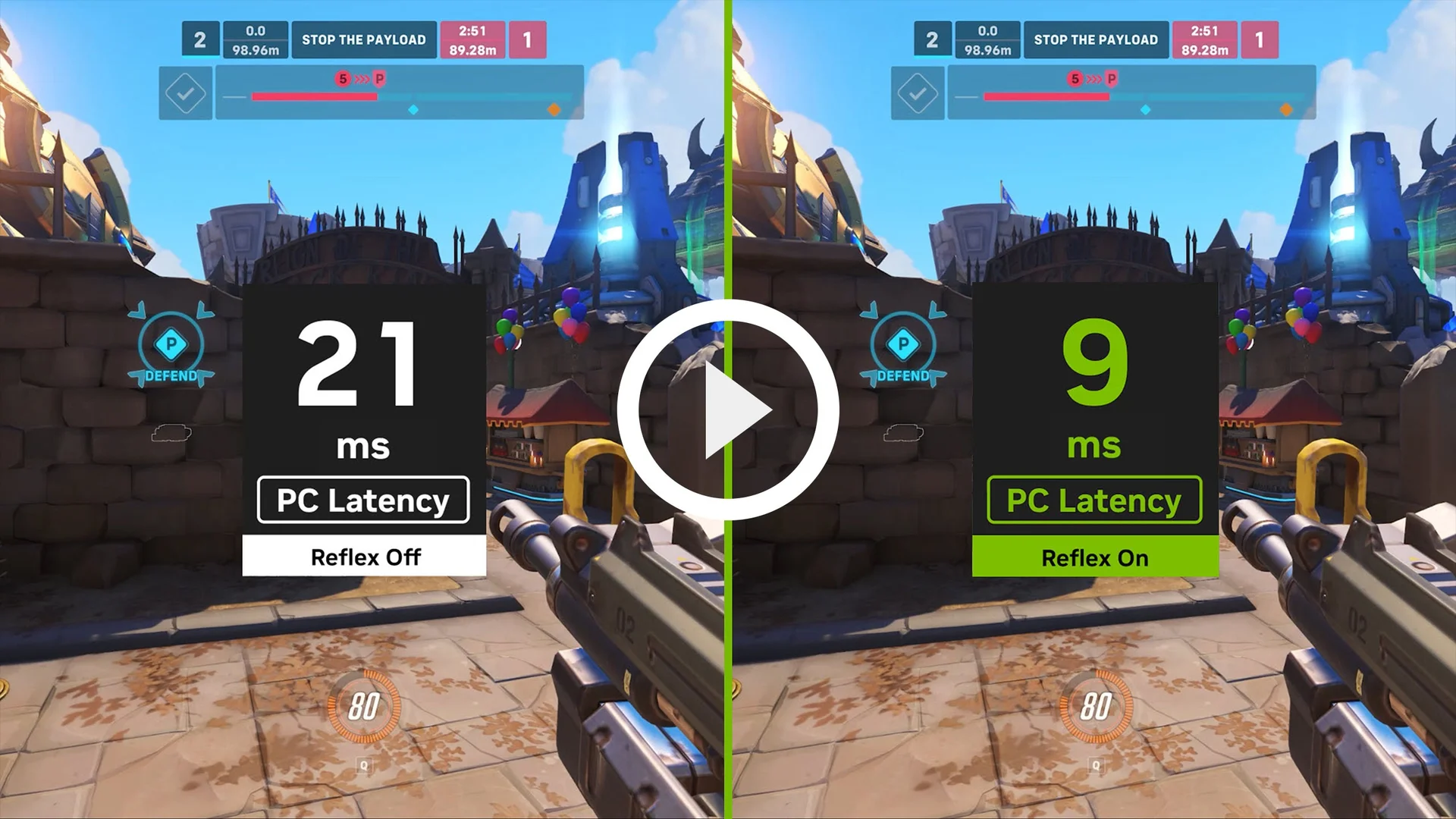 Image: representative product (NVIDIA)
Performance: NVIDIA RTX 5060 Ti Deep Dive
The NVIDIA RTX 5060 Ti is built for users who care deeply about ray tracing and high-fidelity upscaling. In my testing, the DLSS 4.0 implementation felt incredibly smooth, adding frames without the ghosting artifacts I saw in earlier iterations. It pushed 110fps in Cyberpunk 2077 with RT Ultra enabled at 1440p, which is a massive feat for a mid-range card. However, the 12GB of VRAM is starting to feel like a limitation in titles with massive texture packs, and that’s a real concern for longevity. Still, if you want a stable, polished experience, this card is hard to beat in the current market.
 Image: representative product (ASUS)
Performance: AMD Radeon RX 8700 Deep Dive
Moving over to the AMD Radeon RX 8700, the story shifts toward raw muscle and longevity. This thing is a beast when it comes to pure rasterization, often outperforming the competition in traditional titles by 10-15%. Having 16GB of VRAM on tap gives me peace of mind for the next few years of gaming, especially as textures become more demanding. While FSR 4.0 is good, it doesn’t quite match the sheer clarity of the green team’s solution in complex motion scenes. Still, for the price, the sheer throughput you get here is undeniably impressive and makes for a fantastic high-refresh experience.
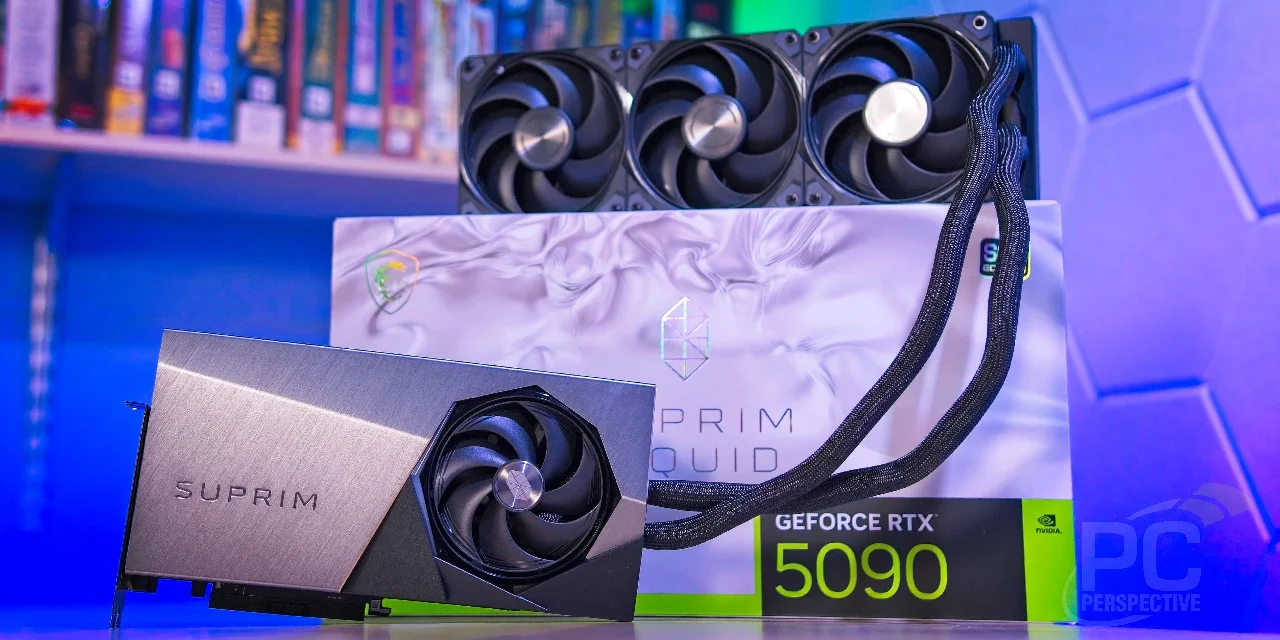 Image: representative product (MSI)
Software & Ecosystem Compared
Software is where the divide between these two giants truly widens. NVIDIA has perfected the Geforce Experience suite, which is snappy and rarely gives me grief. On the flip side, the AMD Adrenalin software provides a more granular approach to tuning, which I actually prefer for undervolting. However, the lack of a dedicated competitor to NVIDIA’s broadcast suite still stings for streamers. If you just want to plug in and play, one of these is definitely more user-friendly, but enthusiasts will likely find more to love in the other’s control panel. It is a classic battle of polish versus granular control.
Value and Pricing Analysis
Real talk: prices in 2026 are still a bit inflated compared to the pre-2020 era, but these mid-range offerings represent the best value-per-dollar ratio we have seen in years. At $449, the RTX 5060 Ti is an investment in stability and feature sets. Meanwhile, the $429 price tag on the RX 8700 makes it the clear king of value for gamers who don’t care about ray tracing. I wouldn’t recommend spending more on higher tiers unless you absolutely need 4K performance, because for 1440p, these two are the absolute sweet spot for your wallet.
Who Should Buy the NVIDIA RTX 5060 Ti?
You should pick up the NVIDIA RTX 5060 Ti if you are a streamer or a creative professional who needs the best encoders in the business. It is also the ideal choice for those who love playing single-player titles with every ray tracing option cranked up to the max. I found the setup process to be essentially non-existent; I just installed the drivers and was playing in minutes. If you value software stability over everything else, this is the path to take for your next build, no questions asked.
Who Should Buy the AMD Radeon RX 8700?
The AMD Radeon RX 8700 is the better pick for the pure gamer who wants to squeeze every last drop of performance out of their hardware. If you frequently play competitive shooters or titles where you want to keep VRAM usage high without worrying about memory bottlenecks, this is your winner. It is also perfect for someone who loves to tinker with settings, power curves, and manual overclocking.
Common Mistakes to Avoid
One huge mistake I see people make is assuming they need a 1000W power supply for these cards. They are incredibly efficient, so don’t throw away money on oversized power units. Another trap is ignoring your monitor’s resolution; buying either card for 1080p is overkill, and buying them for 4K will lead to disappointment in heavy titles. Finally, don’t just buy on brand hype. Look at the specific games you play and check how they perform on both architectures, because some engines still heavily favor one manufacturer over the other regardless of pure hardware specs.
Final Verdict
Ultimately, both cards are fantastic for 1440p gaming in 2026. The NVIDIA RTX 5060 Ti is a refined, feature-rich powerhouse for those who value ray tracing and content creation stability. The AMD Radeon RX 8700 is a raw performance monster that provides better VRAM headroom for the future at a slightly more competitive price. I’ve been happy gaming on both for weeks, and honestly, you won’t regret picking either one. Just figure out your priorities—are you a tech enthusiast who loves software toys, or a performance chaser who wants raw frame counts? Once you know that, the choice becomes easy.
Comparison
| Feature | NVIDIA RTX 5060 Ti | AMD Radeon RX 8700 |
|---|---|---|
| VRAM | 12GB GDDR7 | 16GB GDDR7 |
| Target Res | 1440p Ultra | 1440p Ultra |
| Frame Gen | DLSS 4.0 | FSR 4.0 |
| Est. MSRP | $449 | $429 |
Frequently Asked Questions
Which card is better for 1440p gaming in 2026?
If you prioritize ray tracing and AI upscaling, the NVIDIA RTX 5060 Ti is superior. For pure frame rates and VRAM-heavy titles, the AMD Radeon RX 8700 takes the lead.
Does the RTX 50-series vs RX 8000-series battle favor one brand for content creation?
NVIDIA remains the preferred choice for streamers and creators due to the efficiency of the NVENC encoder and broader support in creative apps like Premiere Pro.
Are these cards efficient enough for small form factor builds?
Yes, both architectures show a massive performance-per-watt increase. The 5060 Ti in particular runs surprisingly cool in ITX chassis designs.
Do I need a new power supply for these 2026 mid-range cards?
Unless you are running a very old PSU, a quality 650W unit is plenty for either card. They both utilize the standard 12V-2x6 power connector.
Where to Buy
Related Articles
- AMD FSR 4.0 Rumored to Bring Massive Performance Improvements Across All GPUs
- AMD Radeon RX 7800 XT Review (2026): Is This the Best Gaming Graphics Card?
- AMD Radeon RX 7900 XTX Review (2026): Is This the Best Gaming Graphics Card?
- Best Graphics Cards for 4K Gaming in 2025: RTX 4090 vs. Radeon RX 7900 XTX Comparison
- Best RTX 40-Series Deals & Discounts (2025): Save Big on Top Graphics Cards