When you purchase through links on our site, we may earn an affiliate commission. This helps support our work and allows us to continue delivering in-depth, unbiased gaming coverage.
Introduction
When building or upgrading a mechanical keyboard, most gamers obsess over the switches, debating between linear, tactile, or clicky options. However, the component that your fingers actually make contact with—the keycaps—plays an equally critical role in the typing and gaming experience. For years, the market has been divided between the standard keycaps found on most mass-produced keyboards and the premium PBT keycaps favored by enthusiasts. In 2026, this debate is more relevant than ever as manufacturers strive to offer better value. The core of the discussion often boils down to standard vs PBT keycaps, a comparison that highlights significant differences in longevity, feel, and sound. Standard keycaps, typically made of ABS plastic, offer vibrant colors and a smooth finish but are prone to wear. PBT keycaps, on the other hand, are renowned for their rugged texture and resistance to shining over time. In this comprehensive guide, we’ll dissect these two materials to help you understand which option aligns best with your gaming habits and aesthetic preferences.
Quick Comparison
Table To give you an immediate overview of how these materials stack up against each other, here’s a breakdown of the technical specifications and general characteristics defining standard and PBT keycaps. Material Composition
Standard (ABS): Acrylonitrile Butadiene Styrene (Softer plastic) PBT: Polybutylene Terephthalate (Harder, brittle plastic) Surface Texture Standard (ABS): Smooth, sometimes slick or glossy PBT: Textured, sandy, or matte finish Durability & Shine Standard (ABS): Develops a greasy shine quickly; legends may fade if pad-printed PBT: Highly resistant to shine; maintains texture for years Sound Profile Standard (ABS): Higher pitched, clackier sound (depending on thickness) PBT: Deeper, lower-pitched thock sound Cost Standard (ABS): Low to Medium (High for premium double-shot sets) PBT: Medium to High Common Use Case Standard (ABS): Stock gaming keyboards, budget builds PBT: Custom mechanical keyboards, heavy typists
Product Overview: it (ABS)
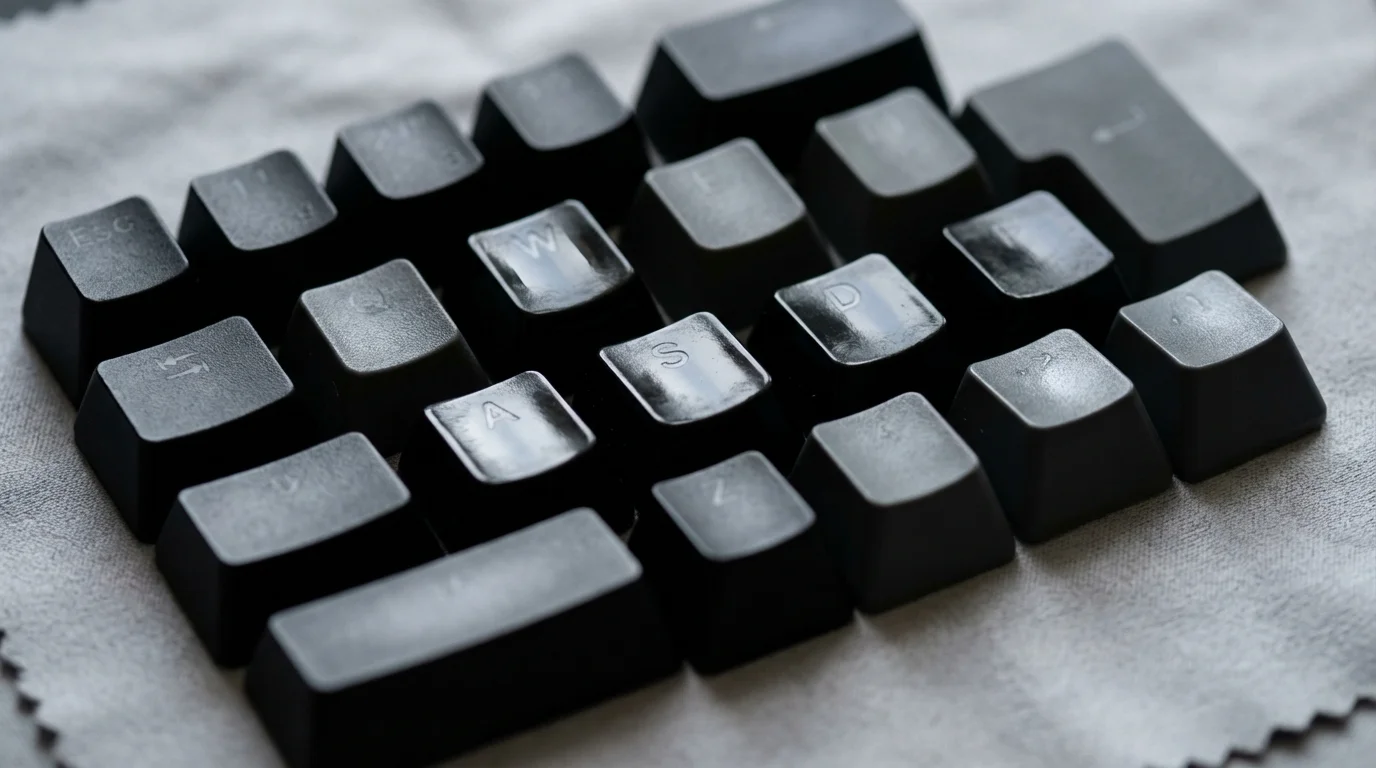
Standard Keycaps, predominantly manufactured from ABS (Acrylonitrile Butadiene Styrene), are the default choice for the vast majority of mechanical keyboards, from budget entry-level boards to high-end gaming peripherals. The primary reason for their ubiquity is the ease of molding. ABS is a softer plastic that allows for precise injection molding, resulting in sharp legends and vibrant, consistent colors. This material is particularly favored for RGB keyboards because it’s easier to produce transparent legends that allow backlighting to shine through brightly. In terms of feel, the Standard Keycaps are generally smooth to the touch. When new, they can feel silky and comfortable. However, because ABS is a softer plastic, it degrades faster under the friction of fingertips. Over time, the texture wears down, leaving behind a shiny, polished surface that can look greasy even when clean. While often dismissed by enthusiasts as cheap, high-quality double-shot ABS keycaps (like those from GMK) are actually prized for their color accuracy and acoustic properties, though they still suffer from the inevitable shine.
Product Overview: PBT Keycaps
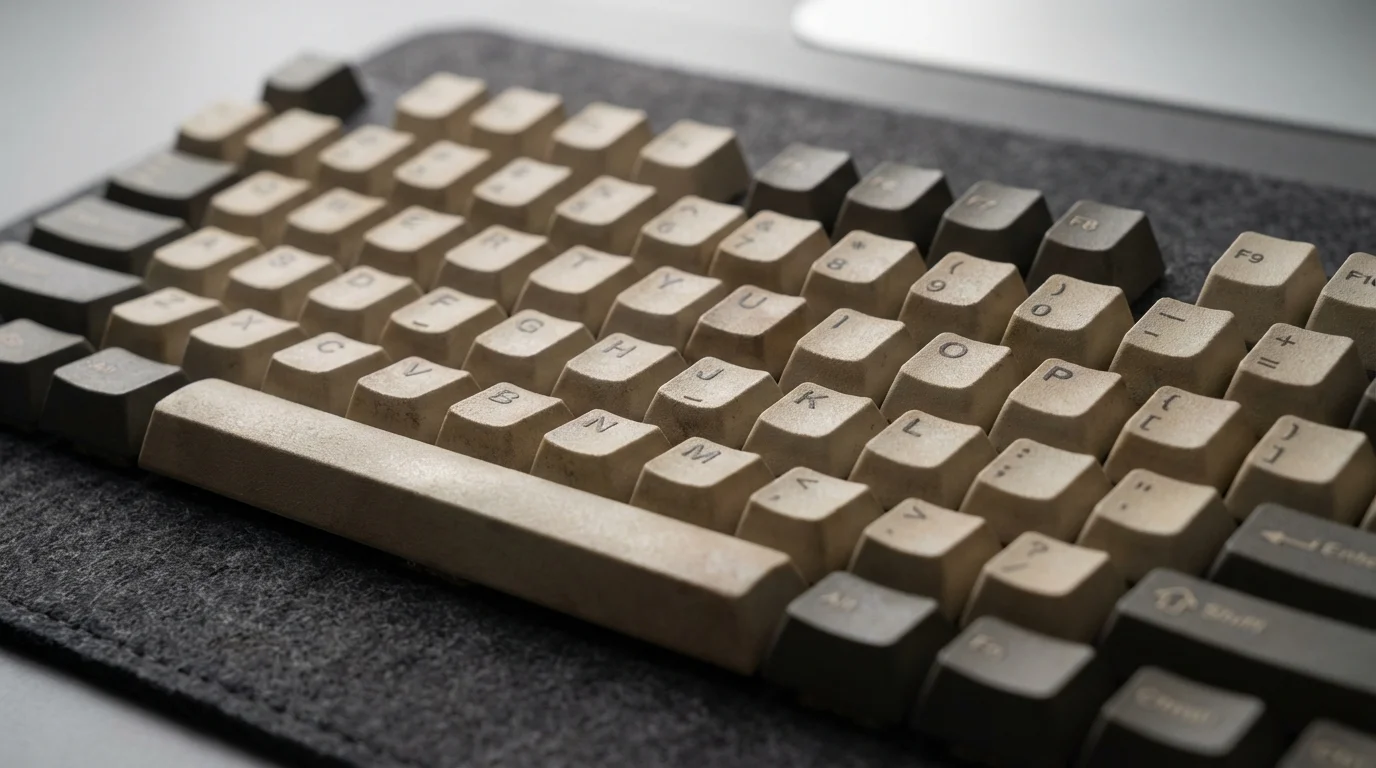
PBT (Polybutylene Terephthalate) keycaps are often considered the gold standard for durability and longevity in the mechanical keyboard community. PBT is a much harder, more brittle plastic compared to ABS. This physical property makes it more difficult and expensive to mold, as the material shrinks during cooling, which can lead to warped spacebars or modifiers if not manufactured carefully. However, the payoff for this manufacturing difficulty is a keycap that’s incredibly solid. PBT keycaps are characterized by a textured, slightly sandy finish that provides excellent grip, which is a significant advantage during intense gaming sessions where sweaty hands might slip on smooth plastic. The most significant selling point of PBT is its resistance to wear. Even after years of heavy daily use, PBT keycaps rarely develop the unsightly shine that plagues Standard Keycaps. They maintain their matte finish and original texture almost indefinitely. Acoustically, PBT is denser, which usually results in a deeper, more satisfying sound profile that many typists describe as thocky.
Feature-by-Feature Comparison
To truly understand the standard vs PBT keycaps debate, we need to break down the user experience into specific categories. The material difference impacts everything from how the keyboard sounds to how it feels under your fingertips during a competitive match.
Performance and
Grip gaming performance, the texture of the keycap is critical. Standard ABS keycaps are smooth. While this can feel nice for casual typing, moisture and oils from your fingers can turn that smoothness into a slippery surface during heated gaming moments. If your fingers are prone to sweating, you might find them sliding off the WASD keys on a standard set. PBT keycaps offer a distinct advantage here due to their granular surface. This friction helps keep your fingers centered on the keys, providing a more consistent control experience. For competitive FPS or MOBA players who require absolute precision, the tactile assurance of PBT is often preferred over the slick feel of worn ABS.
Build Quality and Durability
This is the most objective victory for PBT. When comparing durability, PBT is chemically resistant and harder than standard ABS. The phenomenon known as keycap shine occurs when the plastic wears down, polishing the surface. On Standard Keycaps, this can happen within a few weeks or months of heavy use, making the keyboard look old and dirty. PBT keycaps are virtually immune to this abrasive wear. Also, PBT withstands higher temperatures and doesn’t yellow as easily as ABS does when exposed to UV light over long periods. If you want your keyboard to look brand new three years from now, PBT is the superior choice.
Sound Profile
Sound is subjective, but there’s a consensus on the acoustic characteristics of each material. Because the Standard Keycaps are often thinner and made of softer plastic, they tend to produce a higher-pitched, clacking sound when bottoming out. This can sound crisp but potentially hollow. PBT keycaps are generally produced with thicker walls (usually 1.5mm) and are made of denser material. This mass absorbs more high-frequency vibrations, resulting in a lower-pitched, bass-heavy sound signature. For enthusiasts seeking a solid, premium auditory feedback, PBT is usually the winner, although high-end, thick ABS sets can also sound fantastic.
Aesthetics and
Legends Standard Keycaps typically win in the category of color vibrancy. The chemistry of ABS allows for brighter, more saturated colors than PBT. PBT plastics tend to be more muted or pastel in tone. Also, because PBT shrinks during molding, creating perfectly straight large keys (like the spacebar) is harder, though modern manufacturing has largely solved this issue. When it comes to legends (the letters on the keys), both materials can use Double-Shot injection molding, which means the legend is a separate piece of plastic that will never fade. However, cheaper it often use Pad Printing or Laser Etching, which will wear off. Double-shot PBT is now the standard for quality, ensuring the legends are as durable as the keycap itself.
Price and Value
Historically, PBT keycaps commanded a significant premium. However, in 2026, the gap has narrowed. You can now find affordable double-shot PBT sets that cost only slightly more than standard replacement sets. It are still the cheapest option if you’re looking for a basic replacement, but the value proposition of PBT is higher. Because PBT lasts significantly longer without degrading in quality or appearance, the cost per year of usage is arguably lower. Buying a cheap standard set that becomes shiny and slippery in six months often leads to buying another set, whereas a single PBT set is a long-term investment.
Pros & Cons: Standard Keycaps (ABS) Pros:
the Standard Keycaps offer the widest variety of vibrant color options and sharp legends. They’re generally smoother to the touch, which some typists prefer over the rougher texture of PBT. They’re also widely available and inexpensive, making them easy to replace if broken. The acoustic profile is crisp and clean, which suits clicky switches well. Cons: The major downside is durability regarding surface finish. They develop a permanent, greasy-looking shine very quickly. They’re also prone to yellowing over time if white. The slippery texture when worn can be detrimental to gaming precision.
Pros & Cons: PBT Keycaps Pros:
PBT keycaps are incredibly durable and resistant to friction, meaning they won’t develop shine or lose their texture. The granular feel provides excellent grip for gaming. They produce a deeper, more premium sound that reduces the hollow noise of a keyboard casing. They’re resistant to solvents and UV light. Cons: PBT is generally more expensive than standard ABS. The colors are often slightly less vibrant due to the material properties. Spacebars can occasionally be slightly warped in cheaper PBT sets, which may affect stabilizer movement.
Which One Should
You Choose? How to choose the best keycaps depends entirely on your priorities. If you’re a competitive gamer, specifically in the FPS or rhythm game genres, PBT keycaps are the recommended choice. The added texture ensures your fingers stay planted on the keys during rapid movements, and the durability means your WASD keys won’t turn into slippery slopes after a few months of grinding. For typists and office workers, the choice is more subjective. If you dislike the feeling of rough textures, the smooth silkiness of a high-quality standard ABS set might be more comfortable. However, for anyone who prioritizes aesthetics and wants their desk setup to look clean and matte for the long haul, PBT is the clear winner. Budget-conscious buyers should note that while standard caps are cheaper upfront, the longevity of PBT makes it a better value buy.
Final Verdict
In the comparison of standard vs PBT keycaps, PBT emerges as the superior option for the vast majority of gamers and heavy users in 2026. While standard ABS keycaps have their place—particularly high-end custom colorways and budget board inclusion—the physical benefits of PBT are too significant to ignore. The resistance to shine, the superior grip, and the thockier sound profile elevate the entire experience of using a mechanical keyboard. If you’re still using the stock Standard Keycaps that came with your board, upgrading to a set of PBT keycaps is one of the most cost-effective ways to improve both the feel and performance of your gaming setup. It transforms a plastic toy-like feel into a premium, rugged tool built for endurance.
Frequently Asked Questions Can I put PBT keycaps on any mechanical keyboard?
Generally, yes. Most PBT keycap sets use the standard Cherry MX stem (the cross shape), which is compatible with the vast majority of mechanical switches including Cherry, Gateron, Kailh, and Razer. However, you must check the layout of the bottom row (Ctrl, Win, Alt keys) to ensure the sizes match your specific keyboard model. Do PBT keycaps affect RGB lighting? This depends on the manufacturing method. Many PBT keycaps are ‘Double-Shot’ with translucent legends, allowing RGB lighting to shine through perfectly. However, solid dye-sublimated PBT keycaps will block the light, creating an under-glow effect rather than illuminated letters. Why do it get shiny? it are made of ABS, a softer plastic that’s easily abraded by the friction of your fingertips. The natural oils and sweat from your hands act as a polishing agent, smoothing out the microscopic texture of the plastic until it becomes glossy. Are PBT keycaps heavier than standard ones? Yes, PBT has a higher density than ABS plastic. Also, PBT keycaps are often molded to be thicker (around 1.5mm) compared to standard thin keycaps (1.0mm). This added mass contributes to the deeper sound and solid feel.