Introduction
In the high-stakes world of competitive gaming, milliseconds matter more than megapixels. While high refresh rate monitors and lightweight mice are standard, software solutions for reducing system latency have become the new battleground. This brings us to the ultimate showdown: NVIDIA Reflex vs AMD Anti-Lag. Both technologies aim to solve the same problem, which is reducing the delay between your mouse click and the action appearing on screen, but they achieve this through vastly different methods. NVIDIA Reflex focuses on game-engine integration to synchronize the CPU and GPU, while AMD Anti-Lag has historically relied on driver-level enhancements to control the processor’s pacing. In this comparison, we’ll dissect how these technologies work, their impact on input lag, and which one provides the definitive edge for gamers in 2025. We promise a clear, unbiased look at which ecosystem currently offers the most responsive gaming experience.
Quick Comparison
Table Before diving into the technical analysis, here’s a quick overview of how these two low-latency technologies stack up against each other regarding compatibility and core functionality. Type:
NVIDIA Reflex: Game Engine Integration (SDK) AMD Anti-Lag: Driver Level (Legacy) and Game Engine (Anti-Lag 2) Hardware Requirement: the NVIDIA Reflex: NVIDIA GeForce GTX 900 Series and newer AMD Anti-Lag: AMD Radeon RX 5000 Series and newer Latency Reduction Method: NVIDIA Reflex: Removes the Render Queue entirely AMD Anti-Lag: Throttles CPU to match GPU pacing Game Support: it: Over 100+ supported competitive titles AMD Anti-Lag: Universal via Driver (Standard), Specific titles (Anti-Lag 2) Performance Impact: it: Negligible impact on FPS AMD Anti-Lag: Negligible impact on FPS Cost: NVIDIA Reflex: Free (Requires NVIDIA GPU) AMD Anti-Lag: Free (Requires AMD GPU)
Product
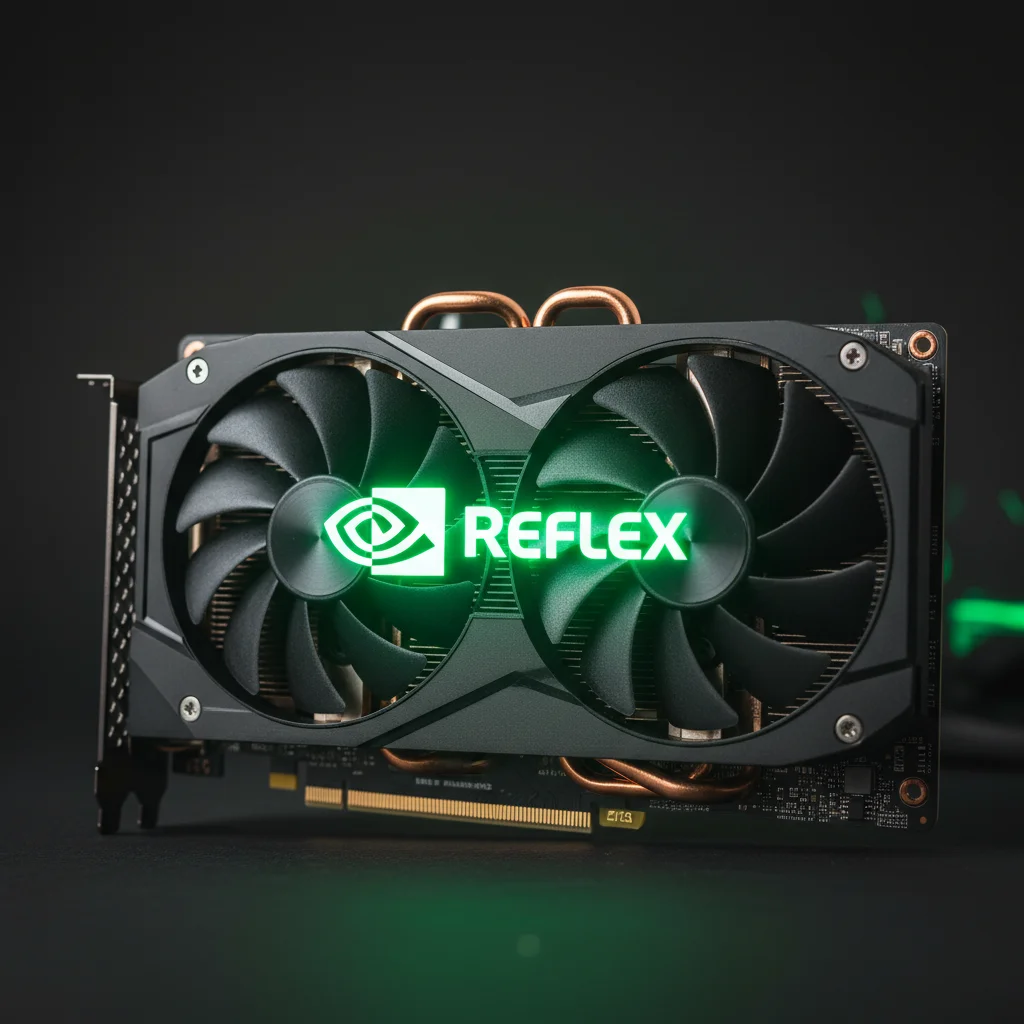
Overview: NVIDIA Reflex it revolutionized the conversation around system latency when it launched. Unlike traditional low-latency modes that were mere settings in a control panel, Reflex is a suite of APIs that developers integrate directly into the game code. Its primary function is to eliminate the render queue. In a typical GPU-bound scenario, the CPU queues up frames for the GPU to render, which creates a buffer. This buffer smooths out frame rates but introduces significant delay. It forces the CPU and GPU to work in perfect synchronization, ensuring that the GPU renders the frame the moment the CPU is finished preparing it. This just-in-time rendering approach drastically lowers system latency. Beyond the software, the ecosystem includes the Reflex Latency Analyzer, a hardware tool found in high-end monitors that measures the exact click-to-photon speed, giving competitive players data they previously couldn’t access. It’s best for serious competitive shooters who play titles like Valorant, Apex Legends, and Overwatch 2.
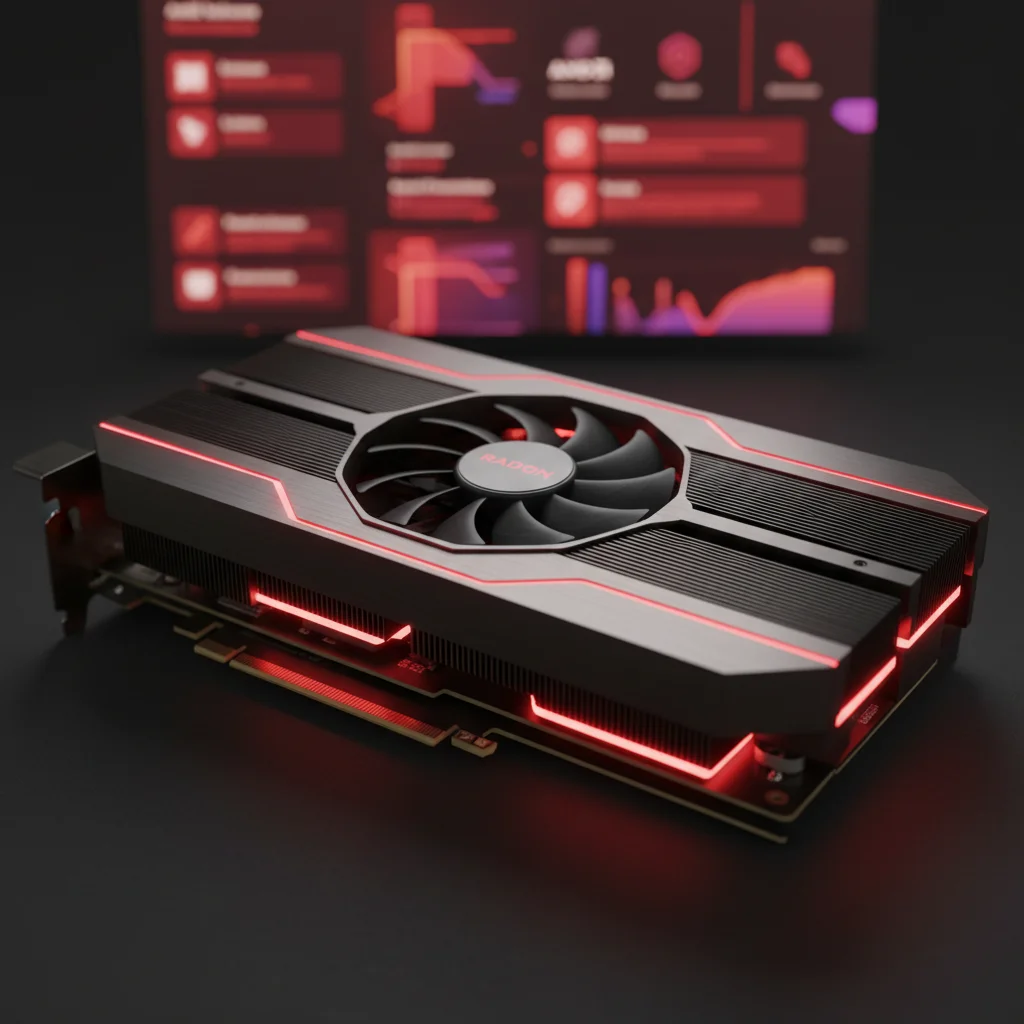
Overview: AMD Anti-Lag AMD Anti-Lag takes a slightly different approach, primarily focusing on accessibility through the driver software, known as AMD Software: Adrenalin Edition. The original Anti-Lag works at the driver level, meaning it can be enabled in almost any game regardless of developer support. It functions by regulating the pacing of the CPU to ensure it doesn’t get too far ahead of the GPU, thereby reducing the amount of queued work. However, because it operates outside the game engine, its control over the render pipeline is less absolute than Reflex. Recognizing this, AMD introduced Anti-Lag 2, which, like Reflex, requires game developers to implement it directly. This newer version offers significantly better latency reduction than the driver-only version. AMD Anti-Lag is best for gamers who play a wide variety of titles, including older games that may not receive specific SDK updates, and for users within the Radeon ecosystem looking for a free performance boost.
Feature-by-Feature Comparison
To truly understand the NVIDIA Reflex vs AMD Anti-Lag battle, we need to break down the technology into specific categories. While both aim to reduce input lag in games, the magnitude of their success varies depending on implementation.
Performance and Latency
Reduction When it comes to pure performance, NVIDIA Reflex has held the crown for several years. By removing the render queue entirely via game integration, it can reduce system latency by up to 50 percent in GPU-bound scenarios. This results in a noticeable snappy feeling where mouse movements translate instantly to on-screen crosshair movement. AMD Anti-Lag (the driver version) typically offers a modest improvement, often reducing latency by a few milliseconds, which is helpful but not game-changing. However, the newer AMD Anti-Lag 2 competes much more closely with Reflex, showing results that are nearly identical in titles like Counter-Strike 2. If we’re comparing the mature Reflex ecosystem against the legacy Anti-Lag driver toggle, NVIDIA wins. If we compare Reflex against the newer Anti-Lag 2, it’s a dead heat, though Reflex is more consistent across a wider range of titles.
Game Support and Compatibility
This is a critical area of difference in the it vs AMD Anti-Lag comparison. It requires game developers to add the code to their games. Fortunately, NVIDIA has been aggressive in partnerships, and practically every major esports title supports Reflex natively. AMD Anti-Lag (Standard) has the advantage of universality; because it’s a driver toggle, you can turn it on for almost any DirectX 9, 11, or 12 game. This is a huge plus for retro gamers or those playing niche titles. However, the superior Anti-Lag 2 has a much smaller list of supported games compared to Reflex’s massive library. If you play the top 10 shooters, both are likely supported, but Reflex has a deeper back catalog of integrated titles.
Hardware Requirements
Both technologies are proprietary to their respective hardware manufacturers. NVIDIA Reflex works on GeForce GTX 900 series cards and newer. This is generous backward compatibility, allowing gamers with older cards like the GTX 970 to benefit from modern latency reduction. AMD Anti-Lag works on Radeon RX 5000 series and newer graphics cards (and some Ryzen APUs). While both companies support several generations of hardware, NVIDIA’s support extends slightly further back in time, covering a larger base of legacy hardware still in use by budget gamers.
Software and Customization
NVIDIA handles Reflex through the game settings menu. There’s usually a simple toggle for On or On + Boost. The Boost mode prevents the GPU from downclocking, ensuring maximum performance at the cost of slightly higher power consumption. There’s no complex driver software required to make it work once you’re in the game. AMD manages Anti-Lag through the Adrenalin software overlay. It offers more granular control at a system level, allowing users to set global profiles or game-specific profiles. AMD’s overlay is often praised for being more modern and feature-rich than the NVIDIA Control Panel, but for the specific purpose of latency, the simplicity of NVIDIA’s in-game toggle is often preferred by esports pros who want to set it and forget it.
Price and Value
Since both features are free software add-ons included with their respective graphics cards, the value proposition ties directly to the GPU you buy. You can’t buy Reflex or Anti-Lag separately. However, looking at the feature set as a value add, the NVIDIA Reflex offers slightly more value to the competitive gamer due to the inclusion of the Reflex Latency Analyzer in premium monitors, which helps users diagnose system issues. AMD offers great value by providing a driver-level solution that works on thousands of games where Reflex might not be present, adding value to the Radeon card for variety gamers.
Pros and Cons NVIDIA Reflex Pros:
Extremely effective latency reduction via game engine integration. Supported by the vast majority of competitive esports titles. Reflex Boost maintains high GPU clock speeds. Backward compatible with older GTX cards. It Cons: Requires developer implementation (not universal). Locked to NVIDIA hardware. AMD Anti-Lag Pros: Driver-level version works on almost any game. Anti-Lag 2 offers competitive parity with Reflex. Easy to toggle via the Adrenalin overlay. AMD Anti-Lag Cons: Standard Anti-Lag is less effective than Reflex. Anti-Lag 2 has a smaller supported game library. Locked to AMD hardware.
Which One Should
You Choose? The choice between it vs AMD Anti-Lag largely depends on what kind of gamer you’re and what hardware you currently own or plan to buy. For Competitive FPS Players:
If your main goal is climbing the ranks in Valorant, Apex Legends, or Call of Duty, NVIDIA Reflex remains the superior choice. Its widespread adoption and mature integration ensure the lowest possible click-to-photon latency across the board. The consistency of Reflex gives it the edge for esports professionals. For Variety and Casual Gamers: If you play a mix of single-player RPGs, indie games, and older titles, AMD Anti-Lag offers a compelling argument. Being able to force low latency via drivers in games that developers have abandoned is a nice feature. While it may not shave off as many milliseconds as Reflex, it improves the feel of a much wider range of games. For Budget Buyers: Both technologies work on mid-range cards. However, if you’re buying a used GPU, NVIDIA’s support for the GTX 900 series might make an older card more viable for competitive gaming than an equivalent age AMD card that lacks Anti-Lag support.
Final Verdict
In the battle of the NVIDIA Reflex vs AMD Anti-Lag, NVIDIA Reflex takes the victory for pure competitive performance and adoption in 2025. Its deep integration into game engines changed the industry standard, forcing competitors to catch up. The result is a technology that effectively removes the render queue, providing the snappiest response times possible. However, AMD is not far behind. With the introduction of Anti-Lag 2, they have proven they can match NVIDIA’s performance when developers get on board. Currently, the difference is not in the potential of the technology, but in the ecosystem. NVIDIA has more games using the full power of the SDK. Therefore, if you’re building a PC strictly for competitive gaming today, an NVIDIA GPU with Reflex is the safer bet. But if you already own an AMD card, enabling Anti-Lag is an absolute must that keeps you competitive.
Frequently Asked Questions Is it better for FPS games?
Yes, generally speaking, it is better for FPS games because it’s integrated directly into the game engine, allowing for more precise synchronization of the CPU and GPU compared to driver-level solutions. Does AMD Anti-Lag work on NVIDIA GPUs? No, AMD Anti-Lag is a proprietary feature found only in AMD Radeon drivers. Conversely, NVIDIA Reflex only works on NVIDIA GeForce GPUs. Does using these low-latency modes lower FPS? In most cases, the impact on FPS is negligible. In some CPU-bound scenarios, the NVIDIA Reflex can actually slightly improve FPS consistency. However, using ‘Boost’ modes might increase power consumption and heat, but not typically at the cost of frame rate. Is it worth upgrading from NVIDIA Reflex to AMD Anti-Lag? You can’t simply upgrade software; you would need to change your graphics card. It’s generally not worth switching GPU brands solely for these features, as both companies now offer competitive low-latency technology comparison solutions.