Introduction
For years, the debate surrounding the wired vs wireless gaming mouse has been settled by a single factor: reliability. In the past, competitive gamers would never touch a wireless peripheral due to fears of input lag, connection drops, and heavy batteries. However, as we move through 2025, the market of gaming technology has shifted dramatically. Manufacturers have developed proprietary wireless transmission technologies that claim to be faster than wired connections, challenging the long-held belief that a physical cable is necessary for peak performance. This comparison matters more than ever because the price gap is closing, and the performance gap has effectively vanished. This guide is designed for every type of gamer, from the casual player enjoying single-player RPGs to the esports aspirant grinding ranked matches in Counter-Strike 2 or Valorant. We’ll dissect the technical nuances of gaming mouse speed and latency, analyze the ergonomics of tethered versus untethered play, and help you decide where to invest your money. By the end of this article, you’ll have a clear, unbiased understanding of whether the freedom of wireless is worth the premium or if the reliability of a wired connection remains the king of value.
Quick Comparison
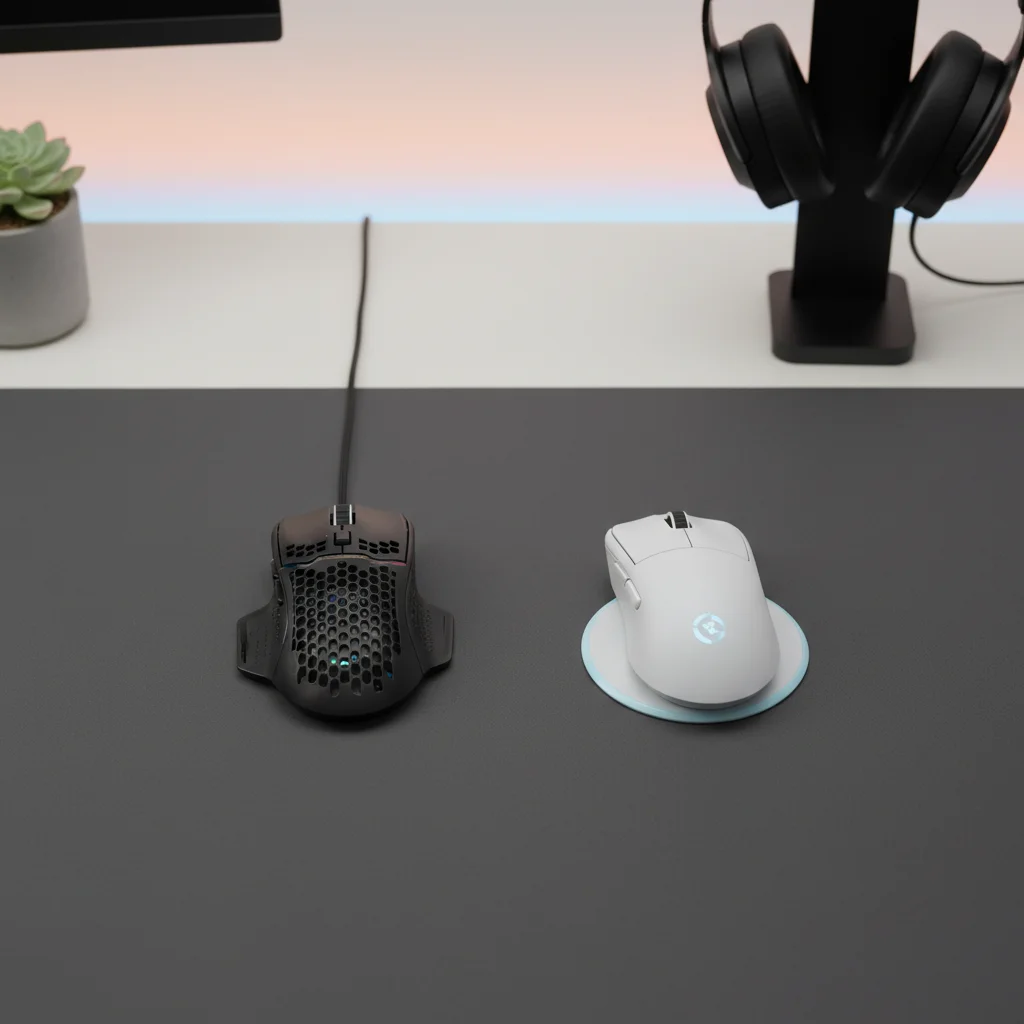
Table To give you an immediate understanding of how these two categories stack up against each other, we’ve compiled the essential specifications. While individual models vary, these are the general standards you can expect in the current market. Type: Wired Gaming Mouse
Connectivity: USB Cable (Braided or Paracord) Latency: Negligible (Standard 1ms) Weight: Generally lighter (50g - 80g typically) Battery Life: Infinite (Powered by PC) Price Range: $20 - $80 Freedom of Movement: Restricted by cable length and drag Type: Wireless Gaming Mouse Connectivity: 2.4GHz Dongle / Bluetooth Latency: Negligible on 2.4GHz (Often <1ms) Weight: Slightly heavier due to battery (60g - 100g) Battery Life: 40 - 150 hours (Rechargeable) Price Range: $50 - $180 Freedom of Movement: Unrestricted
Product Overview: it
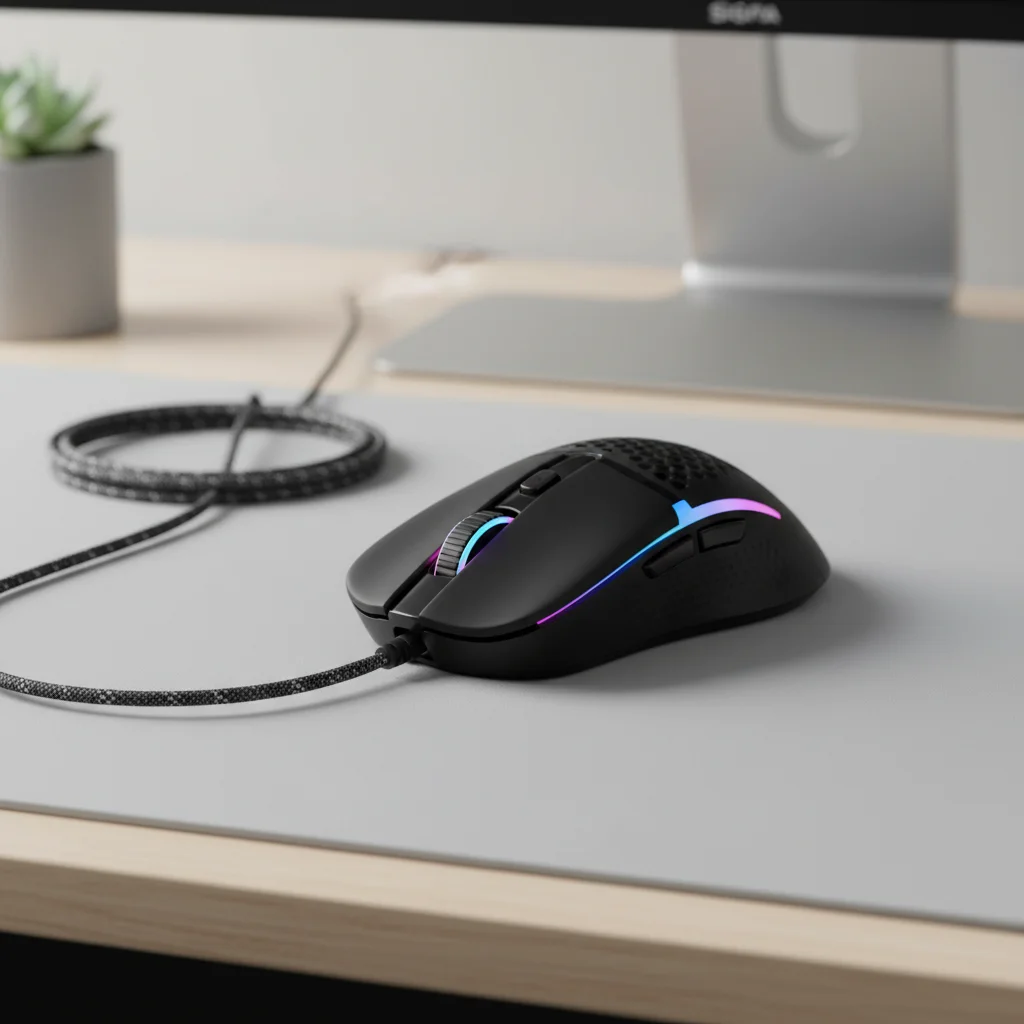
Wired gaming mice have long been the staple of the PC gaming industry. The core appeal of a wired mouse lies in its simplicity and absolute consistency. Key features typically include a high-performance optical sensor, durable mechanical or optical switches, and a USB connection that ensures data is transmitted instantly to the computer. Modern wired mice have evolved to address their biggest weakness: the stiff cable. Manufacturers now use paracord-style cables that are incredibly flexible and light, aiming to mimic the feeling of a wireless mouse without the associated cost or battery weight. In terms of build quality, wired mice often feel more solid because they don’t need to accommodate an internal battery or charging circuitry. This allows for a solid shell construction or a honeycomb design to reduce weight without compromising structural integrity. The performance focus here’s on pure, uninterrupted speed. There’s never a risk of signal interference from a router or a smartphone. This product category is best for budget-conscious gamers who want top-tier sensor performance without paying a premium, as well as competitive players who simply don’t want to manage battery levels.
Product Overview: Wireless
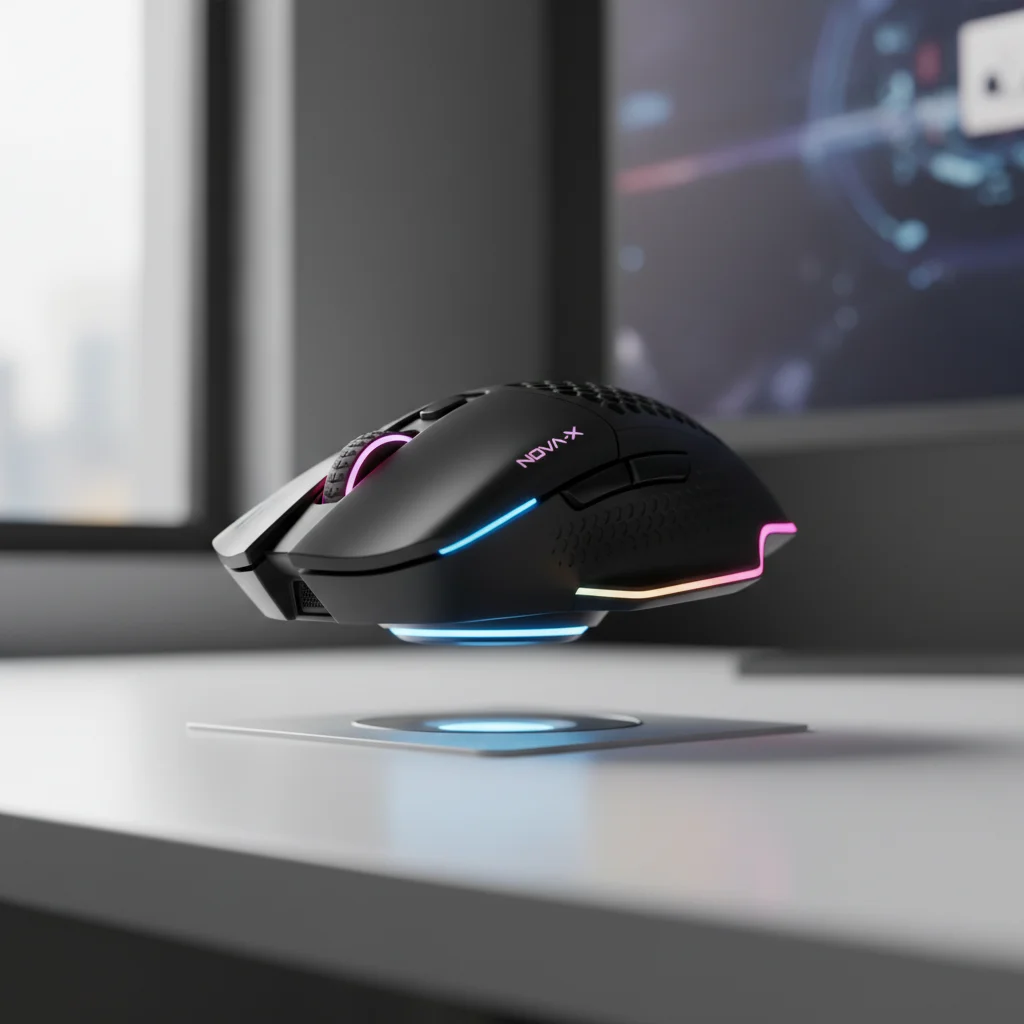
Gaming Mice Wireless gaming mice represent the cutting edge of peripheral technology. The defining feature of modern wireless mice is the use of 2.4GHz radio frequency connections (often branded as Lightspeed, Hyperspeed, or Slipstream) rather than standard Bluetooth. This allows for a polling rate of 1000Hz or higher, matching the responsiveness of wired counterparts. Build quality in this segment has improved drastically; early wireless mice were heavy bricks, but modern engineering has produced wireless options that weigh as little as 60 grams, rivaling the lightest wired mice on the market. Design styles range from sleek, professional aesthetics to RGB-heavy gamer gear, though many high-end wireless mice reduce RGB lighting to preserve battery life. The target audience for wireless mice includes users who despise desk clutter, gamers with low-sensitivity settings who need to make large sweeping movements without cable drag, and professionals who travel frequently. The primary strength is the total freedom of movement, which can significantly improve aim consistency by eliminating cable resistance. The weakness remains the price and the eventual degradation of the internal battery over several years.
Feature-by-Feature Comparison
To truly understand the wired vs wireless gaming mouse argument, we need to break down the user experience into specific categories. It’s no longer just about lag; it’s about the entire ecosystem of the peripheral.
Performance
When discussing gaming mouse speed and latency, the gap has closed to the point of being imperceptible to humans. A high-quality wired mouse communicates with the PC at 1000Hz (1ms report rate), and some enthusiast models now push 8000Hz. However, top-tier wireless mice using 2.4GHz dongles also achieve 1000Hz stable polling rates. In some independent benchmarks, premium wireless tech has actually shown lower end-to-end latency than budget wired mice due to superior sensor optimization. The myth that wireless is slower is officially dead in the high-end market. However, if you switch a wireless mouse to Bluetooth mode, the latency increases significantly, making Bluetooth unsuitable for competitive gaming.
Build Quality & Durability
Wired mice generally have the advantage in long-term durability simply because they have fewer points of failure. There’s no internal battery to degrade, and there are fewer complex circuit boards inside. The main weak point of a wired mouse is the cable itself, which can fray or break internally if bent at sharp angles repeatedly. Wireless mice, while built with premium materials, rely on lithium-ion batteries. Even the best batteries lose capacity over time, meaning that in 3 to 5 years, your wireless mouse might need frequent charging or a battery replacement. Structurally, both types now use similar high-grade plastics and coating materials to resist sweat and wear.
Comfort & Ergonomics
This is where the wired vs wireless mouse comparison leans heavily in favor of wireless. Comfort is not just about the shape of the shell; it’s about how the mouse moves. A wired mouse always has a tether. Even with a mouse bungee (an accessory that holds the cable up), there’s always some degree of drag or resistance when you move the mouse to the edge of the mousepad. Wireless mice eliminate this entirely. You can move the mouse freely, rotate it, or play at odd angles without any physical resistance. For gamers who use low DPI settings and make large arm movements, the lack of cable drag effectively makes the mouse feel lighter and more responsive, reducing wrist fatigue over long sessions.
Software & Customization
Both wired and wireless mice use the same software suites provided by manufacturers (like Synapse, G Hub, or Engine). You can rebind buttons, set macros, and adjust DPI stages on both. However, wireless mice add a layer of management. You must use the software to monitor battery levels, adjust sleep timers to conserve power, and configure RGB brightness to ensure you don’t drain the mouse too quickly. Wired mice are more ‘set and forget.’ Once you configure your profile, you rarely need to open the software again. For users who hate bloatware running in the background, a wired mouse often has the advantage of not requiring constant battery monitoring.
Price & Value
Price is the most significant differentiator in the wired vs wireless gaming mouse debate. Wireless technology costs more to manufacture. You’re paying for the battery, the wireless transmitter, the USB dongle, and the R&D required to make it lag-free. A top-tier wireless mouse can cost between $100 and $170. A wired mouse with the exact same sensor, switches, and shell shape will often cost half that amount, usually falling in the $50 to $80 range. If you’re strictly looking at price-to-performance ratio, wired mice offer far better value. You get the same in-game performance for a fraction of the cost, provided you can tolerate the cable.
Pros & Cons: the Wired Gaming Mice Pros:
- Significantly lower price for top-tier performance.
- No battery anxiety; play forever without charging.
- Lighter base weight (no internal battery).
- Simple plug-and-play reliability. Cons:
- Cable drag can interfere with aim and movement.
- Limits portability and desk setup cleanliness.
- Cable can wear out or break over time.
Pros & Cons: Wireless Gaming Mice Pros:
- Complete freedom of movement with zero cable drag.
- Cleaner desk aesthetic.
- Performance is now equal to wired counterparts.
- Easier to travel with. Cons:
- Higher price point.
- Requires regular charging.
- Ideally needs the receiver dongle close to the mouse pad for optimal signal.
Which One Should
You Choose? Making the final decision depends entirely on your specific needs and budget. Here’s a breakdown for different types of gamers: Competitive FPS Players: If you have the budget, go wireless. The elimination of cable drag allows for more consistent micro-adjustments in games like Valorant or Apex Legends. If you’re on a budget, a wired mouse with a bungee is a very close second. Casual Gamers: Wireless is the better option for comfort and convenience. Being able to sit back in your chair without a cable pulling on your mouse makes for a more relaxing experience. Esports Professionals: Most pros have switched to wireless. The reliability of modern connections is trusted on the main stage, and the ergonomic benefits outweigh the risk of interference. Budget-Conscious Buyers: Stick to wired. You can get a world-class sensor and switches for $40-$50. Spending that same amount on a wireless mouse often means getting an inferior sensor or a heavy battery.
Final Verdict
In the battle of the wired vs wireless gaming mouse, the wireless mouse is the overall winner for performance and experience in 2025, but the wired mouse remains the undefeated champion of value. The difference in gaming mouse speed and latency is now non-existent between the two categories. If money is no object, the freedom of a wireless mouse provides a superior, unencumbered experience that can genuinely help your aim by removing cable resistance. However, if you want the absolute best performance per dollar, a lightweight wired mouse is the smartest buy you can make.
FAQ 1. Is a wired mouse faster than a wireless mouse?
Technically, no. High-end wireless mice use 2.4GHz connections that match the 1ms (1000Hz) polling rate of wired mice. There’s no humanly perceptible difference in latency today. 2. Do wireless gaming mice hold a charge for long? Yes. Modern wireless mice can last anywhere from 60 to 150 hours on a single charge. If you turn off RGB lighting, the battery life extends significantly. 3. Is it worth upgrading from wired to wireless? If you find your mouse cable getting stuck on your desk or you feel resistance when aiming, the upgrade is absolutely worth it. If you never notice your cable, you might not see a huge benefit. 4. Which gaming mouse is better for competitive players? Most competitive players prefer wireless mice because they’re often lighter (or balanced better) and allow for unrestricted movement, which is critical for low-DPI gaming.