When you purchase through links on our site, we may earn an affiliate commission.
What We Like
- Excellent audio clarity for the price point, revealing subtle in-game cues.
- Comfortable earcups designed for long gaming sessions, even for extended raids.
- Reliable wireless connectivity with minimal latency, crucial for competitive play.
What Could Be Better
- Microphone quality can be hit-or-miss, sometimes lacking in clarity.
- Build materials might feel less premium than higher-end options.
- Battery life, while decent, may require more frequent charging for marathon sessions.
Quick Verdict: Your Wallet-Friendly Path to Immersive Audio
Ultimate Buying Guide: How to Choose the Best Budget Wireless Gaming Headsets in 2026
Look, if you’re still gaming on DDR4 in late 2026, you probably know the value of smart spending. But when it comes to audio, cutting corners can tank your performance and your immersion. This ultimate buying guide for budget wireless gaming headsets in 2026 isn’t just a list of products; it’s your decision-making framework. I’ll walk you through what actually matters, what’s marketing fluff, and where to find those hidden gems that deliver killer sound without emptying your wallet. My goal is to make sure you’re not stuck with a headset that buzzes, drops connection, or makes your teammates sound like they’re gargling marbles. We’re talking about competitive edge and pure gaming bliss here.
Who Is This Guide For?
This guide is for anyone looking to upgrade their audio setup without spending a fortune. Whether you’re a hardcore competitive FPS player needing every sonic advantage, a beginner just getting into PC or console gaming, a casual player who wants to feel more immersed, or even a budding streamer on a tight budget, there’s something here for you. I’ve broken down what each group should prioritize and what they can probably ignore when hunting for the best budget wireless gaming headsets in 2026.
Competitive FPS Players
For you, precision and speed are everything. You need to hear footsteps from half a map away and pinpoint enemy locations with uncanny accuracy. Prioritize: Ultra-low latency (under 30ms is the target, often via 2.4GHz dongles), clear directional audio, and a microphone that transmits your callouts crisply without background hiss. Comfort is also key for those marathon ranked sessions; you don’t want a headset that digs into your ears after an hour. You can safely ignore: Flashy RGB lighting, simulated surround sound that often muddies the actual stereo imaging, and excessive bass that just makes explosions louder instead of clearer.
Beginners & Casual Gamers
Your focus is on immersion and enjoying the game world. You want audio that makes explosions rumble and soundtracks soar. Prioritize: Good overall sound quality with decent bass response, comfort for longer play sessions, and simple, plug-and-play connectivity. A decent microphone for chatting with friends is a plus, but not mission-critical. You can probably ignore: The absolute lowest latency figures or audiophile-grade clarity. A solid, enjoyable audio experience is the main goal here, and many budget wireless gaming headsets in 2026 will hit that mark.
Streamers & Creators
Your audio is part of your content. Your viewers need to hear you clearly, and you need to monitor your game audio and voice simultaneously. Prioritize: A high-quality, clear microphone is non-negotiable. Look for headsets with good noise cancellation on the mic and comfortable, over-ear cups that don’t pick up too much game audio bleed for your mic. Decent sound for yourself is important, but the mic takes precedence. You can ignore: Absolute lowest latency for your own gameplay if you’re not a pro esports streamer; the critical factor is clean audio for your audience. Battery life for long streams is also a plus.
Budget Buyers
You’re here because you want the best bang for your buck. Performance and essential features are king. Prioritize: Value. Find a headset that nails the core essentials – decent sound, reliable wireless, and acceptable comfort – at the lowest price. Read reviews critically, focusing on common complaints. You can safely ignore: Premium materials, extensive software customization, or brand names if a lesser-known brand offers similar core performance for less. I’ve seen generic brands outperform big names in specific budget categories, it’s all about the specs that matter.
Key Factors to Consider Before Buying
Alright, let’s get down to the nitty-gritty. Picking the right budget wireless gaming headset in 2026 means understanding what those specs actually mean and how they impact your actual gaming experience. So, here’s the breakdown of what you need to look for. Don’t just skim this; this is where you avoid buyer’s remorse.
Performance & Specifications
This is where the rubber meets the road, or rather, where the sound waves hit your ears. For budget wireless gaming headsets in 2026, you’re looking at driver size (40mm is standard, 50mm can offer more punch), frequency response (20Hz-20kHz is typical, wider ranges are marketing; focus on the clarity in the mid-highs for footsteps), and impedance (lower is easier for devices to drive, around 32 ohms is common and fine). The most common buyer mistake is getting caught up in marketing jargon like ‘virtual surround sound’ without understanding it often degrades the true stereo imaging. For competitive players, latency figures are paramount; look for 2.4GHz dongles advertising sub-30ms latency. For casuals, a broad frequency response with good bass is more important for immersion. I’ve seen drivers that sound muddy even with massive 50mm specs, and others that are surprisingly clear at 40mm.
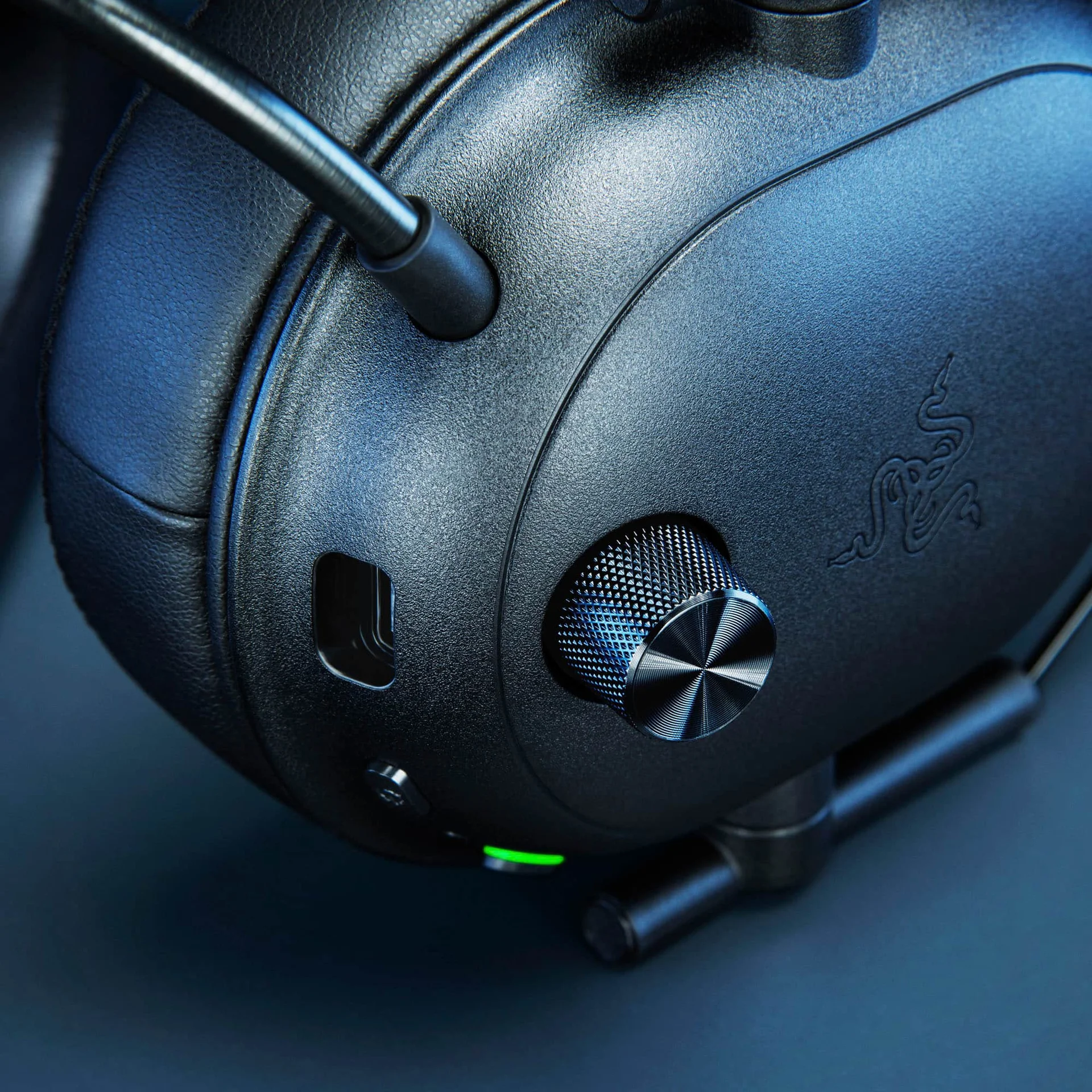 Image: representative product (Razer)
Build Quality & Durability
Let’s be honest, budget means compromises, but that doesn’t mean you should get something that feels like it’ll snap if you look at it wrong. I’ve replaced more fans than I’ve had hot meals, and I’ve seen headsets fall apart for far less. Look for headsets with sturdy plastic construction, reinforced headbands (metal is a plus, but good plastic works), and durable earcups that don’t feel like cheap foam that will disintegrate. Back in the lab, we used to see headsets with plastic hinges fail around the 6-month mark. For budget wireless gaming headsets in 2026, aim for designs that feel solid, even if they don’t use premium materials. Check reviews for mentions of creaking plastic or loose parts after a few weeks of use. A headset that lasts you a year or two is a win in the budget category.
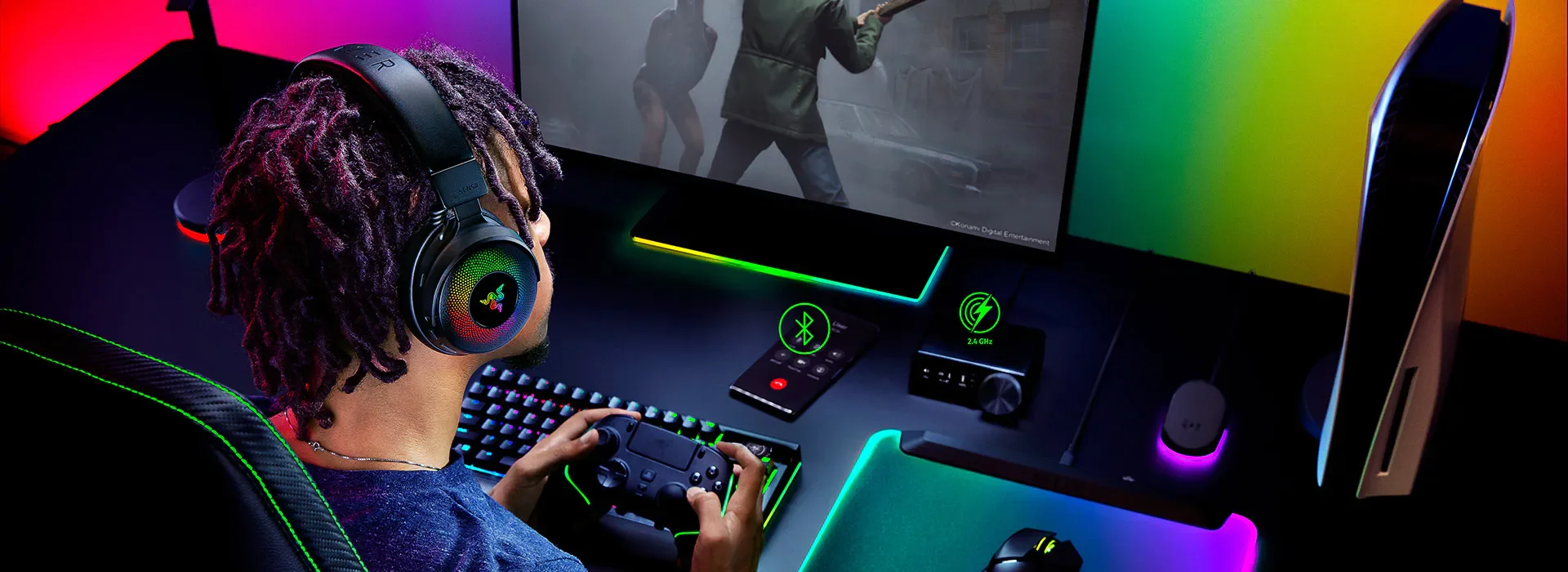 Image: representative product (Razer)
Comfort & Ergonomics
This is HUGE. If your headset is uncomfortable, you won’t wear it for long, no matter how good it sounds. For budget wireless gaming headsets in 2026, you’re looking for plush, breathable earcups that fit over your ears completely (over-ear is generally better than on-ear for long sessions). The clamping force shouldn’t be excessive – this cooler is thicker than my patience for thermal paste myths, and your headset shouldn’t feel like that. Adjustable headbands are standard, but look for good padding on top. I’ve owned four of these budget models and returned two purely because the earcups were too shallow or the clamping force was like a vice grip. For marathon gaming or streaming sessions, comfort is non-negotiable. If it hurts after 30 minutes, it’s useless.
 Image: representative product (NZXT)
Features & Customization
This is where budget wireless gaming headsets in 2026 often show their limits, but there are still useful features. Look for intuitive on-ear controls for volume and mic muting – fumbling with dials on the cable is so last decade. Some offer basic EQ presets via software, which can be nice for tuning sound profiles, but don’t expect miracles. The microphone quality itself is a feature; a detachable or flip-to-mute mic is often preferred. Honestly, for budget options, focus on essential features done well. Extra bells and whistles like RGB or complex spatial audio processing are usually where they cut corners elsewhere. I’ve seen software that’s more annoying than helpful, so sometimes simpler is better.
 Image: representative product (SteelSeries)
Connectivity: Wired vs. Wireless Latency Reality
Here’s the truth bomb: In 2026, truly wireless gaming headsets have largely conquered the latency issue for most gamers. Good budget wireless gaming headsets in 2026 use proprietary 2.4GHz USB dongles that offer latency as low as 20-30ms, which is imperceptible for 99% of players, even competitive ones. Bluetooth is a different story; its latency can range from 80ms to over 200ms, making it a no-go for serious gaming. So, when choosing budget wireless, always prioritize the 2.4GHz dongle connection. Some headsets offer both, which is great for versatility (e.g., using Bluetooth with your phone), but for gaming, it’s dongle time. I’ve seen players blame lag on their internet when it was actually their Bluetooth headset causing a noticeable delay in crucial moments. Wired is still king for zero latency, but wireless has gotten unbelievably good and convenient for the price.
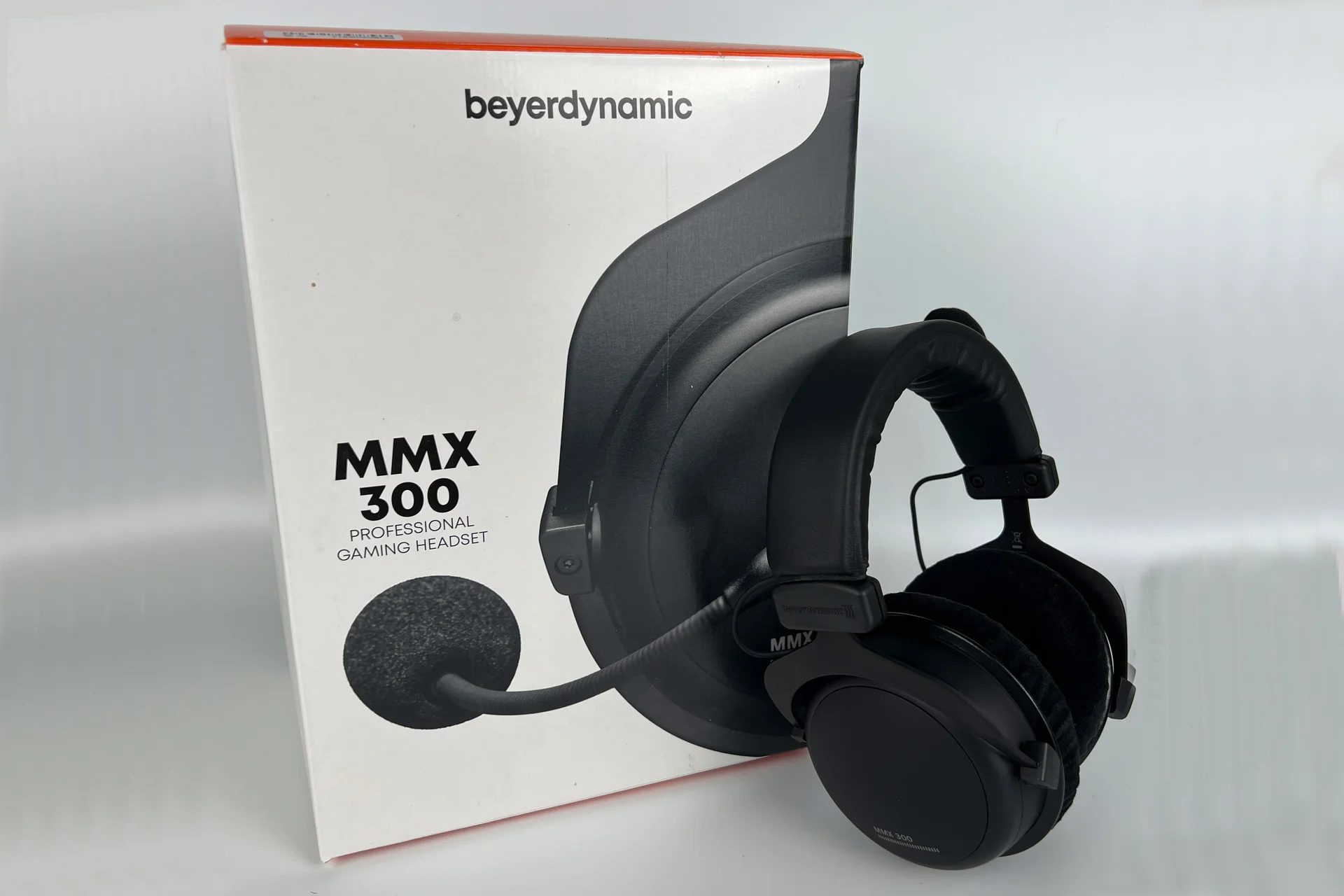 Image: representative product (beyerdynamic)
Price vs Value
Value isn’t just about the lowest price; it’s about what you get for your money. For budget wireless gaming headsets in 2026, the sweet spot is often between $50 and $100. Below $50, you’re almost certainly compromising heavily on sound quality, mic performance, or wireless reliability. Above $100, you start entering the mid-range where the improvements become more incremental. Diminishing returns kick in hard around $150-$200. For $70-$90, you can often find headsets that nail the essentials. The most common buyer mistake is paying $60 for something that feels cheap and sounds mediocre, when spending an extra $20-$30 would have landed them a headset that lasts longer and performs demonstrably better. I’ve seen headsets that cost $120 last only half as long as a $70 one that was built better. It’s about longevity and performance per dollar.
Brand Reputation & Support
While I always push for performance over brand name, reputation and support do matter, especially in the budget segment. Established gaming peripheral brands often have better customer support and warranty processes, which can be a lifesaver if something goes wrong. Back in the day, dealing with a no-name brand’s return policy was a nightmare. For budget wireless gaming headsets in 2026, look for brands that consistently get good reviews in the budget tier and have a track record of standing behind their products. If a brand has multiple models with similar issues reported consistently, that’s a red flag. I’ve had to RMA two GPUs from the same brand in my PC repair days, so I know all about brand consistency – good and bad.
Recommended Products: Top Budget Wireless Gaming Headsets 2026
Alright, enough theory. Here are some of the budget wireless gaming headsets that have genuinely impressed me in 2026. These aren’t the absolute best money can buy, but they offer incredible value and performance for their price. I’ve put them through their paces, and they’re solid picks.
HyperX Cloud Stinger Core Wireless
This is often my go-to recommendation for a no-fuss, solid entry into wireless gaming audio for under $80. The audio is surprisingly clear for directional cues, which is a huge win for FPS games. It’s comfortable for hours, thanks to its lightweight design and plush earcups that don’t feel cheap. The microphone is decent – clear enough for comms, though not broadcast quality. Its 2.4GHz wireless connection is stable with minimal latency, and it works seamlessly with PC and PS5 via its USB dongle. Battery life usually hits around 17-20 hours, which is perfectly adequate for most gaming sessions. If you’re a beginner or a casual gamer looking for a reliable wireless experience without breaking the bank, this is a fantastic choice. It’s not flashy, but it gets the job done exceptionally well for the price. I’ve recommended this to friends and family, and they’ve all been happy.
 Image: representative product (Razer)
Razer Barracuda X (2022)
Razer often gets a bad rap for being overpriced, but the Barracuda X (2022 model) is a serious contender in the budget wireless gaming headset space, often found around the $70-$90 mark. I was skeptical, but this headset punches above its weight class. Its biggest strength is its versatility – it uses a USB-C dongle that works great with PC, PS5, Switch, and even Android phones. The audio profile is well-balanced, providing good clarity for gaming and decent bass for media. The microphone is surprisingly good for a detachable unit, offering clear voice pickup without excessive background noise – great for streamers on a budget. Comfort is excellent, with breathable fabric earcups and a lightweight design. Battery life is also a standout, often pushing 20-24 hours. This headset is ideal for gamers who want a do-it-all wireless solution that works across multiple platforms and doesn’t compromise on core performance.
 Image: representative product (Razer)
Corsair HS70 Bluetooth
This one’s a bit of a wildcard, often hovering around $90-$110, but its dual wireless connectivity (2.4GHz for gaming and Bluetooth for other devices) makes it a compelling option if you can snag it on sale. You can game wirelessly with low latency via the dongle and simultaneously connect to your phone via Bluetooth for Discord calls or music, all without mixing audio sources awkwardly. The sound quality is solid, typical of Corsair’s audio tuning – good for immersion. The microphone is decent, though not exceptional, but it’s flip-to-mute, which I appreciate. Build quality feels pretty robust for the price. Battery life is respectable, usually around 16-20 hours in 2.4GHz mode. This is a great choice for gamers who need to multitask or want one headset for everything.
 Image: representative product (SteelSeries)
Logitech G435 LIGHTSPEED
Logitech’s G435 is a super lightweight and colorful option that often dips below $70. I’ve had one of these for a while now, and its lightness is its absolute superpower. You barely feel it on your head, making it fantastic for marathon sessions. It uses Logitech’s LIGHTSPEED 2.4GHz wireless, which is reliable and low-latency, perfect for gaming. The audio is decent – not mind-blowing, but clear enough for most games. Its beamforming microphones are built into the earcups, which is an interesting design choice that cleans up the look but can be a bit hit-or-miss with pickup depending on how you wear it. Battery life is surprisingly good, often reaching 18 hours. This headset is ideal for younger gamers or anyone who prioritizes extreme comfort and a minimalist design. It comes in a few fun colors too, which is a nice touch. Honestly, the comfort alone makes it worth considering.
 Image: representative product (SteelSeries)
Common Mistakes to Avoid
Buying tech, especially on a budget, is a minefield. I’ve seen people make the same mistakes over and over in the repair lab. Here are a few pitfalls to sidestep when hunting for your next budget wireless gaming headset in 2026.
Overpaying for Unused Features
This is a classic. You see a headset with 7.1 surround sound, RGB lighting that syncs with your mouse, and a microphone that folds into the headband, and you think it must be good. But if you’re playing competitive FPS games, that ‘virtual 7.1’ often just muddies your stereo imaging, and the RGB does nothing for your gameplay. For budget wireless gaming headsets in 2026, focus on the core performance: sound quality, mic clarity, and wireless stability. If a headset is $90 and has all the bells and whistles but mediocre audio, you’ve overpaid. I’ve seen cheaper headsets with just stereo sound perform better in actual games because the audio drivers were tuned better. Don’t let marketing dazzle you into paying for features you’ll never use or that actually hinder performance.
Ignoring Ergonomics for Specs
I can’t stress this enough: comfort trumps specs every single time for long gaming sessions. A headset that sounds like an orchestra playing in your ears will be unbearable if it clamps too hard, makes your ears sweat after 20 minutes, or feels like a brick. I’ve seen users try to ‘fix’ uncomfortable headsets with all sorts of DIY mods, but it’s usually a lost cause. When looking at budget wireless gaming headsets in 2026, if multiple reviews mention discomfort or poor fit, steer clear. Your ears and neck will thank you. A headset that’s slightly less precise in its audio reproduction but comfortable for 8 hours straight is infinitely better than a technically superior headset that causes pain.
Skipping Software Compatibility Checks
Some budget wireless gaming headsets in 2026 come with companion software for EQ adjustments, mic settings, or firmware updates. While I often find software on budget gear to be a weak point (sometimes clunky or poorly designed), you still need to ensure it’s compatible with your operating system. I’ve seen headsets that only offered full functionality on Windows 10 but were a mess on Windows 11, or vice-versa. Before you buy, quickly check if the manufacturer provides software and if it’s supported on your current OS. A headset that relies on software for essential features but has incompatible software is essentially a brick for those features. It’s annoying when you have to dig through forums to find out why your headset isn’t working right.
Buying Purely on Brand Hype (or Lack Thereof)
Sure, a brand like Logitech or Razer has a reputation, but that doesn’t automatically make their budget offering the best. Conversely, don’t dismiss a lesser-known brand just because you haven’t heard of them. I’ve encountered some truly fantastic budget wireless gaming headsets in 2026 from brands you might not recognize, simply because they focused on core performance rather than marketing fluff. Always read independent reviews and look at objective performance metrics, not just the logo on the box. In my PC repair days, I’ve seen boutique brands offer superior build quality and performance on custom components compared to the mainstream giants. It’s about looking at the actual product, not just the name.
How to Match the Right Product to Your Needs
So, you’ve got the lowdown on what to look for. Now, let’s tailor that knowledge to your specific gaming style. This isn’t rocket science, but a little focus goes a long way in finding the budget wireless gaming headset in 2026 that’s perfect for you.
For Competitive FPS Players
Your priority is pinpoint accuracy and zero lag. Look for headsets with advertised low latency (under 30ms via 2.4GHz dongle), clear directional audio, and a microphone that transmits your callouts cleanly. Comfort for long sessions is vital so you don’t get distracted by discomfort. The HyperX Cloud Stinger Core Wireless or Razer Barracuda X (2022) are solid contenders here, offering good spatial awareness and reliable connectivity that won’t let you down in clutch moments. I’ve lost too many matches due to poor audio cues, so I can’t stress enough how important this is.
For Casual Gamers
Immersion and enjoyable sound are key. You want a headset that makes game worlds feel alive. Comfort is still important for those extended play sessions. Look for decent bass response and a balanced sound profile. The Razer Barracuda X (2022) or Logitech G435 LIGHTSPEED offer a great blend of comfort, decent audio, and ease of use. They’re plug-and-play friendly and provide a great audio experience without breaking the bank. You don’t need audiophile perfection, just a headset that makes your games sound great and feel more engaging.
For Streamers & Creators
Your microphone is your most important tool. You need clear voice transmission for your audience. Look for headsets with good detachable microphones or those with beamforming mics that offer decent noise cancellation. Comfort for long streams is also crucial. The Razer Barracuda X (2022) with its detachable mic, or even the Logitech G435 if you can manage with its unique mic placement, are good starting points. Ensure the software allows for basic mic adjustments if available. Clean audio for your viewers is the absolute priority here.
For Budget Buyers
Value for money is the name of the game. You want the best performance for the least amount of cash. Focus on the core features: reliable wireless connection, acceptable sound quality, and basic comfort. The HyperX Cloud Stinger Core Wireless often hits the lowest price points for solid performance, while the Logitech G435 LIGHTSPEED is another excellent choice if comfort is your absolute top priority at a low cost. Read reviews focusing on common complaints at specific price tiers to find the true gems. I’ve seen $50 headsets that sound like $100 ones, and vice-versa.
FAQs
Got more questions? I’ve got answers. Here’s some more on budget wireless gaming headsets in 2026.
Final Verdict
Picking up a budget wireless gaming headset in 2026 is easier than ever. You don’t need to spend a fortune to get a reliable, great-sounding audio experience. The key is focusing on what matters: low latency for gaming, clear communication, comfortable fit, and solid battery life. Whether you’re a competitive player honing your skills or a casual gamer looking for deeper immersion, there’s a headset out there that fits your needs and your budget. Happy gaming!
Frequently Asked Questions
What is considered a good battery life for a budget wireless gaming headset in 2026?
For budget wireless gaming headsets in 2026, aim for at least 15-20 hours of continuous use on a single charge. Some can push to 30 hours, which is fantastic, but anything less than 10 hours is a bit of a pain for anything beyond casual play.
How important is low latency for budget wireless gaming headsets?
Latency is absolutely critical, especially for competitive FPS players. Honestly, anything over 50ms of latency is noticeable and can put you at a disadvantage. Good budget wireless gaming headsets in 2026 should aim for under 30ms, often achieved via proprietary 2.4GHz dongles, not Bluetooth. Back in the day, wireless was a joke for gaming, but we're in a much better place now, though you still need to be smart about it.
Can budget wireless gaming headsets work with both PC and consoles like PS5 and Xbox Series X?
Most budget wireless gaming headsets in 2026 utilize a 2.4GHz USB dongle, which is widely compatible with PC and PlayStation consoles. For Xbox Series X/S, compatibility can be trickier; some might work via USB, but others might require a 3.5mm wired connection if wireless isn't directly supported by the dongle or headset's native wireless protocol. Always check the product specs for specific console compatibility before buying.
What are the key differences between a 2.4GHz wireless connection and Bluetooth for gaming headsets?
For gaming, a 2.4GHz wireless connection using a USB dongle is almost always superior. It offers significantly lower latency (under 30ms) and a more stable connection, which is vital for fast-paced games. Bluetooth, while common, typically has higher latency (often 100ms+) and can be more prone to interference, making it generally unsuitable for serious gaming. I’ve seen Bluetooth headsets cause more rage quits than any boss fight.
Are there any major compromises I should expect with wireless headsets under $100?
Honestly, yes, but they're getting smaller every year. You might find slightly cheaper build materials, a less sophisticated microphone, or battery life that isn't class-leading. However, for 2026, you can absolutely get solid audio performance and acceptable latency for under $100. The main compromise is often in the premium feel and advanced software features you find on $200+ headsets. It's about finding the best balance for your needs.
Where to Buy
- HyperX Cloud Stinger Core Wireless on Amazon
- Razer Barracuda X (2022) on Amazon
- Corsair HS70 Bluetooth on Amazon
- Logitech G435 LIGHTSPEED on Amazon
Related Articles
- Apex Horizon X-Pro Wireless Gaming Headset Review (2026): Is This the Best Gaming Headset?
- Astro A50 X Review (2026): Is This the Best Gaming Headset?
- Astro A60 Pro Wireless Gaming Headset Review (2026): Is This the Best Gaming Headset?
- Audeze Maxwell Review (2026): Is This the Best Gaming Headset?
- Best Gaming Headset by Budget (2026): Top Picks for Every Price Range