When you purchase through links on our site, we may earn an affiliate commission.
Introduction: Why Your Budget Determines Your Audio
Advantage Affordable gaming headsets deliver essential features for an immersive and engaging gaming experience, but understanding where your money goes is crucial for a smart buy in 2026. In the gaming world, audio is just as important as visual fidelity. Whether you’re listening for footsteps in a competitive shooter or soaking in the atmosphere of a sprawling RPG, your headset is your primary link to the game world. When searching for the best gaming headset under $100 2026, you’re navigating a market filled with both hidden gems and overpriced plastic. Price matters in this category because it dictates the quality of the drivers, the durability of the frame, and the sophistication of the wireless technology. At lower tiers, you pay for functionality and basic comfort. As you move up, you’re investing in specialized features like planar magnetic drivers, simultaneous multi-device connectivity, and high-fidelity microphones that rival dedicated desktop setups. This guide breaks down the market into logical price brackets to help you find the perfect balance between cost and performance.
How We Chose
These Products Our selection process is rigorous and transparent, focusing on real-world utility rather than theoretical specs. We evaluated hundreds of models based on six primary criteria. First is performance, specifically the frequency response and soundstage accuracy. Second is build quality, where we look for metal reinforcements and sweat-resistant materials that can survive years of daily use. Third is the feature set, including software customization and spatial audio support. We also heavily weight value for money, ensuring that every dollar spent provides a tangible benefit to the user experience. Brand reliability and long-term driver support are also considered, as a headset is only as good as its longevity. By comparing the price-to-performance ratio across dozens of brands, we’ve identified the objective leaders in each category for 2026.

Image: SteelSeries
Under $50: Entry-Level Value
In the under $50 category, buyers should realistically expect a wired connection and a primarily plastic construction. The primary compromise compared to higher tiers is the lack of advanced software features and the use of smaller, 40mm drivers that may struggle with extreme bass or high-frequency clarity. However, this tier has seen massive improvements in 2026, with many budget gaming headset options now offering excellent passive noise cancellation through thicker ear pads.
Image: SteelSeries
Best Pick Under $50: [Razer
BlackShark V2 X](https://www.amazon.com/s?k=Razer+BlackShark+V2+X&tag=ggl05b-20) The Razer BlackShark V2 X continues to dominate the entry-level market. It features TriForce 50mm drivers that offer distinct tuning for highs, mids, and lows, preventing the muddy sound often found in a cheap gaming headset. Key features include a fixed HyperClear Cardioid Mic and a lightweight 240g design that makes it comfortable for long sessions. Pros include excellent passive noise isolation and a surprisingly wide soundstage for the price. Cons are the non-detachable cable and the lack of RGB lighting or USB connectivity. It wins this tier because it prioritizes core audio quality over flashy aesthetics. It’s ideal for the budget-conscious student or the casual gamer who wants a reliable daily driver without a heavy investment.
$50-$100: The Sweet Spot for Value
This is where the competition is fiercest. In the $50 to $100 range, you see a significant jump in build material, often moving from all-plastic to aluminum-reinforced headbands. Microphone quality improves drastically, moving from basic voice capture to broadcast-style clarity. Upgrading from the under $50 tier is worth it for anyone who spends more than ten hours a week gaming, as the increased comfort and durability will prevent early replacement costs.
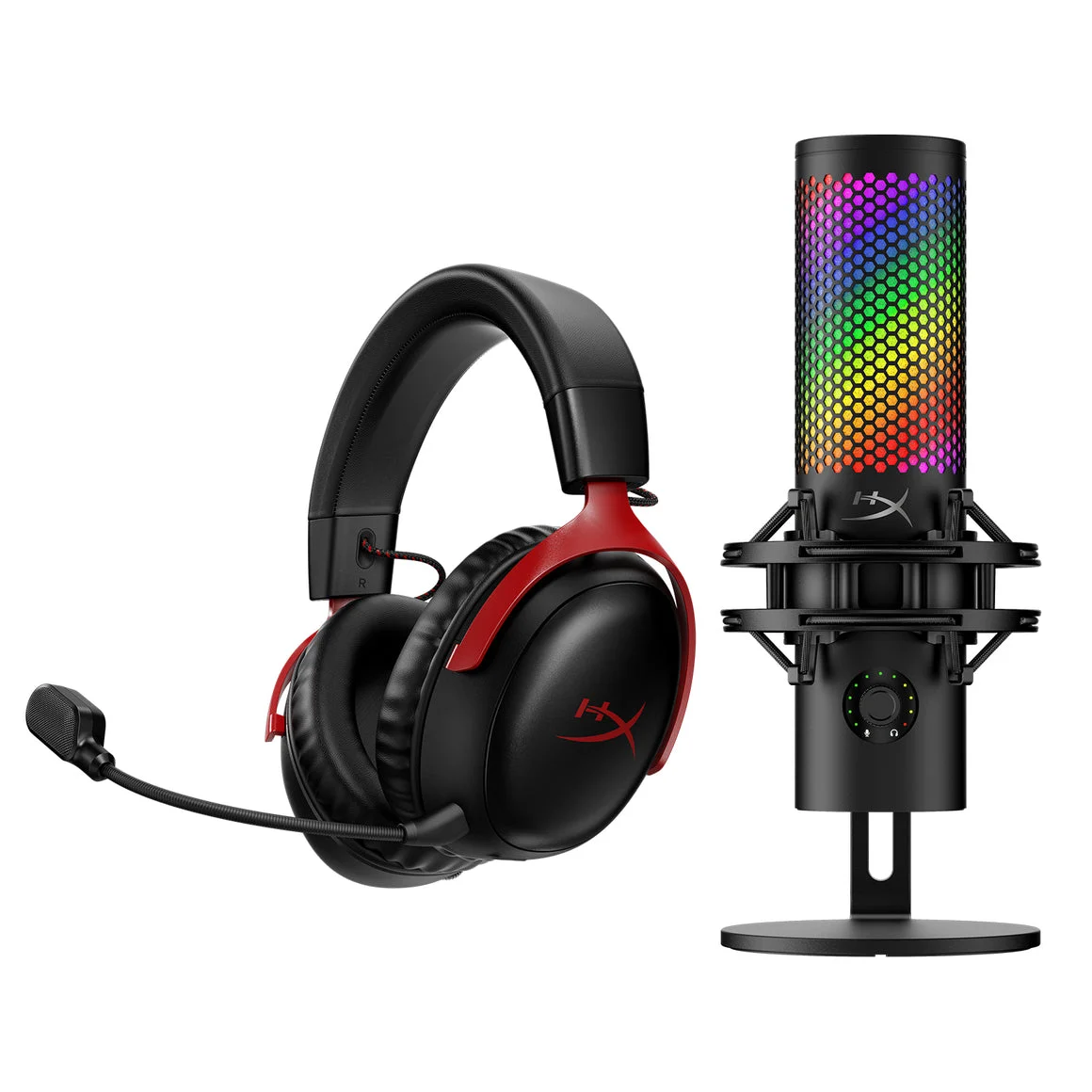
Best Pick $50-$100: [HyperX Cloud
III](https://www.amazon.com/s?k=HyperX+Cloud+III&tag=ggl05b-20) The HyperX Cloud III is the best gaming headset under $100 2026 because it perfects the formula of its predecessors. It features 53mm angled drivers tuned specifically for gaming accuracy. The signature red and black design uses a full aluminum frame, making it one of the most durable gaming headset options on the market. Pros include the legendary memory foam comfort and a high-quality 10mm microphone with internal pop filtering. Cons include the lack of a wireless option at this specific price point and a sound profile that’s more flat than bass-heavy. It wins because it offers a level of comfort that most $200 headsets fail to match. This is ideal for marathon gamers and competitive players who need consistent performance without the premium price tag.
$100-$150: Wireless Freedom and Spatial Audio
Moving into the $100-$150 range, wireless connectivity becomes the standard rather than the exception. You also start to see premium features like high-fidelity 24-bit audio and more sophisticated spatial audio integrations. The people who benefit most from this tier over the $100 tier are those who hate cable clutter and those who play cinematic games where immersive 3D audio significantly enhances the experience.
Best Pick $100-$150: [Corsair HS80 RGB
Wireless](https://www.amazon.com/s?k=Corsair+HS80+RGB+Wireless&tag=ggl05b-20) The Corsair HS80 RGB Wireless stands out due to its unique floating headband design and exceptional Slipstream wireless technology. It offers incredibly low latency and high-fidelity 24-bit/96kHz audio when used in wired mode. Pros include one of the best microphones in the industry, which provides crystal clear communication for discord and streaming. Cons include a shorter battery life compared to some competitors and a fit that may feel tight on larger heads. It wins this tier because of its professional-grade microphone and solid software integration through iCUE. It’s the perfect choice for streamers on a budget or players who communicate frequently in tactical shooters.
$150-$200: Multi-Platform
Versatility At the $150-$200 level, headsets begin to solve the problem of platform lock-in. You’re no longer choosing between a PC or console headset; you’re buying one device that handles both simultaneously. This tier also introduces dual-wireless connectivity, allowing you to connect to your PC via 2.4GHz and your phone via Bluetooth at the same time.
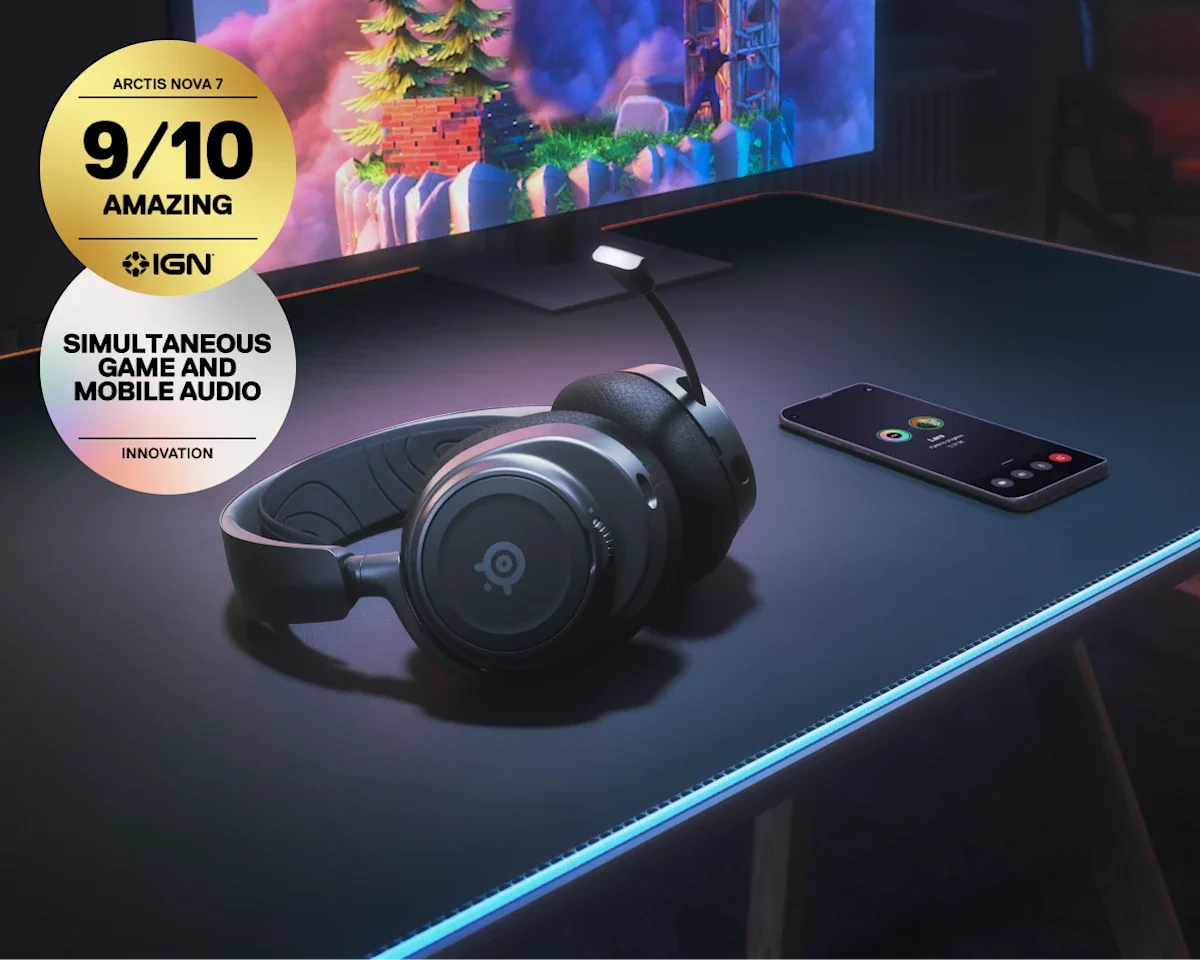
Image: SteelSeries
Best Pick $150-$200: [SteelSeries
Arctis Nova 7](https://www.amazon.com/s?k=SteelSeries+Arctis+Nova+7&tag=ggl05b-20) The SteelSeries Arctis Nova 7 is the gold standard for mid-to-high-range gaming. It features the Nova Acoustic System with High Fidelity Drivers for superior audio quality. Its standout feature is the simultaneous 2.4GHz and Bluetooth audio, allowing you to take a phone call without pausing your game. Pros include a 38-hour battery life with fast charging and a fully retractable ClearCast Gen 2 mic. Cons are the fabric ear pads which, while breathable, don’t isolate sound as well as leatherette. It wins because of its versatility across PC, PlayStation, Switch, and mobile. It’s made for the multi-platform gamer who wants one headset to rule them all.
$200 and Above: The
Audiophile Tier The premium tier offers what mid-range units can’t: high-end transducer technology and studio-grade components. Here, you’re often moving away from traditional dynamic drivers and into planar magnetic territory. This results in faster transient response, lower distortion, and a level of detail that allows you to hear micro-details in the game environment that other headsets simply miss.
Best High-End
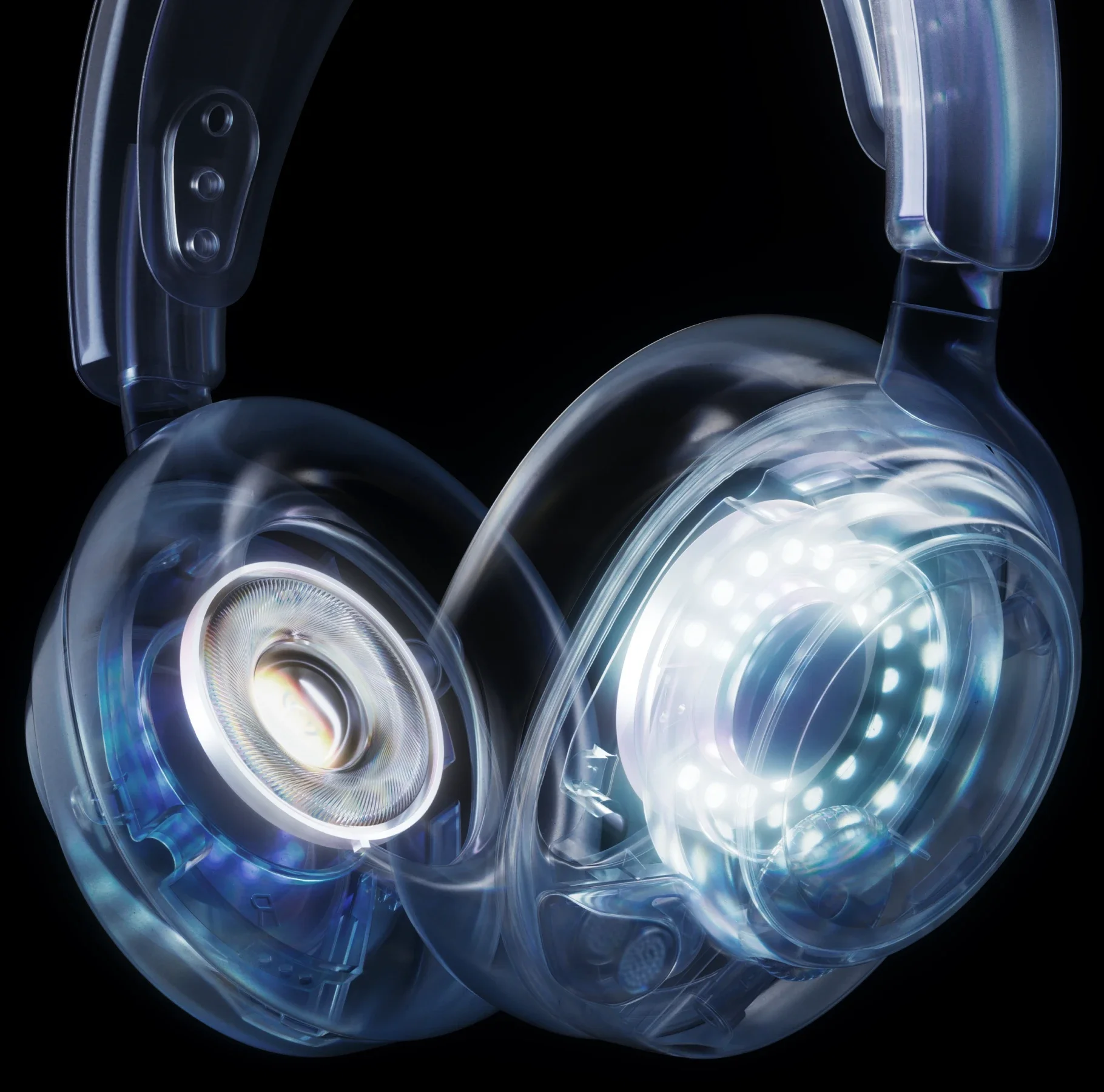
Pick: Audeze Maxwell The Audeze Maxwell is widely regarded as the best gaming headset currently available for those willing to pay the premium. It uses massive 90mm planar magnetic drivers that provide a frequency response range far beyond human hearing, ensuring zero distortion. Premium features include an 80-hour battery life, massive internal reinforcement, and an AI-powered noise-filtering microphone. Real performance advantages include a pinpoint accurate soundstage that feels three-dimensional without artificial processing. It’s heavy, which is a notable con, and it carries a high price tag. It’s made for the audio enthusiast and the professional gamer who demands the absolute best clarity and precision possible in 2026.

Image: SteelSeries
Comparison Table: Gaming
Headsets at a Glance To help you decide, here’s a summary of our top picks. For those seeking the best gaming headset under $100 2026, the HyperX Cloud III remains the balanced leader. Under $50, the Razer BlackShark V2 X provides the best entry point. In the $100 to $150 range, the Corsair HS80 offers the best microphone. For $150 to $200, the SteelSeries Arctis Nova 7 offers the best connectivity. Finally, for over $200, the Audeze Maxwell delivers unmatched audiophile sound. Each of these models excels in its specific price bracket by focusing on what gamers in that range value most, whether it’s pure durability, wireless convenience, or extreme audio fidelity.
Buying Tips by
Budget If You’re on a Tight Budget: Focus on comfort and a wired connection. Don’t be tempted by cheap wireless headsets under $40, as they often suffer from significant lag and poor battery life. A high-quality wired budget gaming headset will always outperform a low-quality wireless one. Best Value for Mid-Range Buyers: Look for headsets with detachable cables and microphones. These parts are the most common points of failure, and being able to replace them extends the life of your $100 investment by years. Premium Buyers: Prioritize driver technology and comfort over RGB lighting. At the $200 plus level, you’re paying for the quality of the magnet and the diaphragm inside the ear cup, which directly impacts how you perceive distance and direction in-game.

Image: SteelSeries
Common Mistakes to
Avoid One of the most frequent errors is overpaying for unused features like 7.1 virtual surround sound marketing. Most modern games have their own internal spatial audio engines that work better with a standard stereo headset. Another mistake is ignoring ergonomics; a headset might sound amazing, but if it’s too heavy or has high clamping force, you won’t want to wear it after an hour. Avoid choosing based on brand name alone, as many top-tier companies produce mediocre entry-level products to fill shelf space. In 2026, also be wary of confusing marketing specs like extreme frequency ranges (e.g., 5Hz to 50kHz) with real-world performance, as human hearing is limited and the driver quality matters more than the theoretical range.
Who Should Choose
Which Budget Tier? Beginners and casual players should stay in the under $50 to $100 range; these headsets provide everything needed for a great experience without overcomplicating things. Competitive FPS players should look at the $100 to $200 range for better directional audio and clearer microphones for team comms. MMO players often benefit from the comfort and long battery life of the $150 mid-range wireless units. Streamers should prioritize the $100-$150 tier specifically for high-quality microphones like that on the HS80. Finally, enthusiasts and those who also use their headsets for high-quality music listening should jump straight to the $200 plus tier to get the benefits of planar magnetic technology.

Image: SteelSeries
Final Verdict: Which
Tier Offers the Best Value? For most gamers, the $50-$100 tier offers the absolute best overall value. Specifically, the best gaming headset under $100 2026 provides a level of durability and audio clarity that satisfies 90 percent of the gaming population. While upgrading to the $200 plus tier is worth it for audiophiles, the diminishing returns start to kick in once you move past the $150 mark. If you’re currently using a generic pair of earbuds or a very old budget gaming headset, upgrading to a $100 model like the HyperX Cloud III will be the most noticeable improvement you can make to your gaming setup this year.
Frequently Asked
Questions Is a wired headset better than wireless for gaming in 2026? Wired headsets still offer the best audio fidelity for the price and zero latency, but modern 2.4GHz wireless tech has closed the gap significantly. Can I use a budget gaming headset on both PC and Console? Yes, most wired headsets with a 3.5mm jack are universal, but wireless models often require specific versions for Xbox or PlayStation. What’s the most important spec to look for? Sensitivity and driver size are important, but comfort and mic clarity are often more impactful for daily use. Do I need a dedicated sound card? In 2026, most modern motherboards and headset USB dongles have sufficient DACs for high-quality audio. How long should a $100 headset last? With proper care, a well-built headset in the $100 range should last between 3 to 5 years. Why are planar magnetic headsets so much more expensive? They use a more complex driver design that provides significantly better detail and lower distortion than standard dynamic drivers.
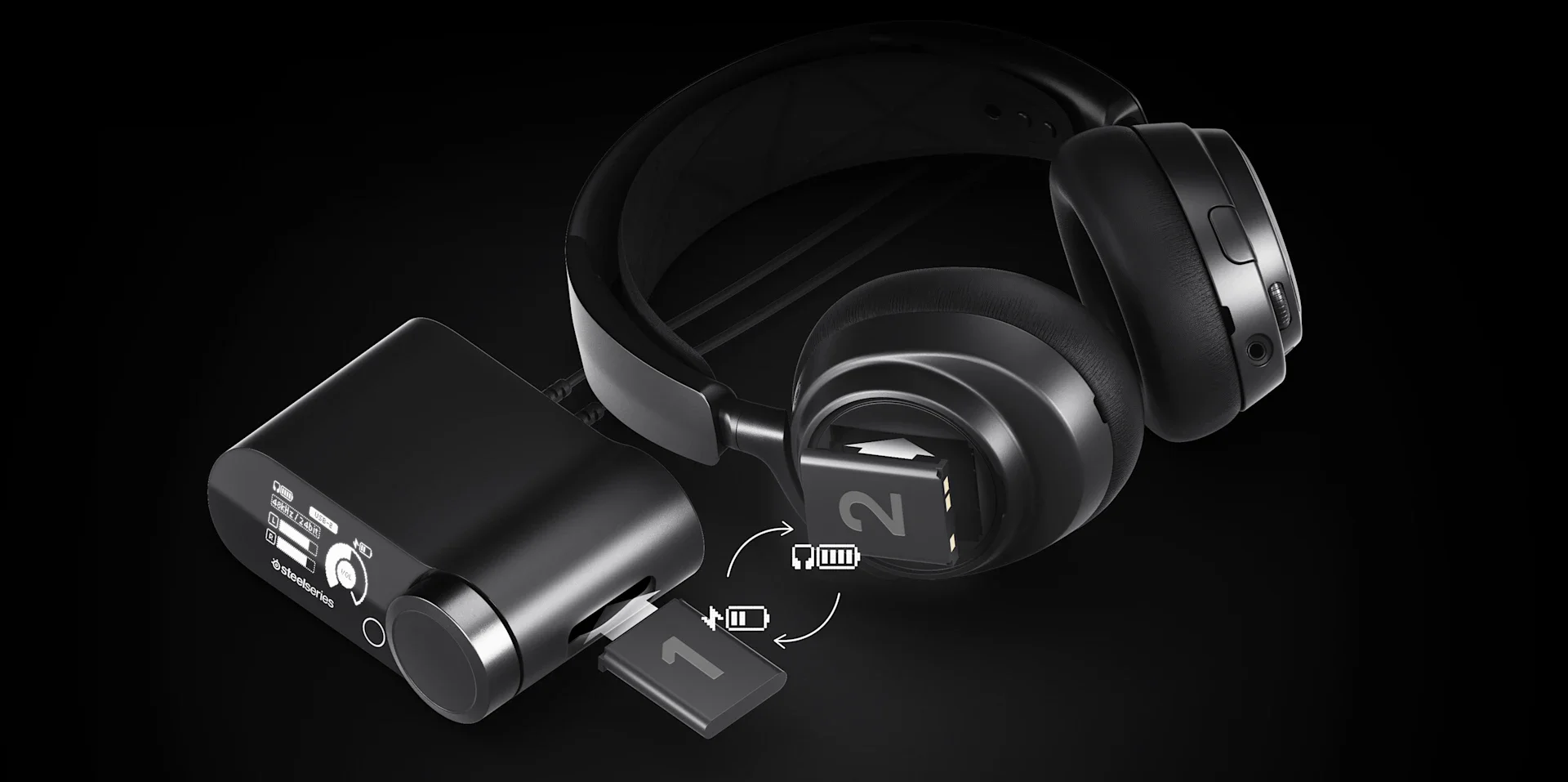
Image: SteelSeries