Introduction
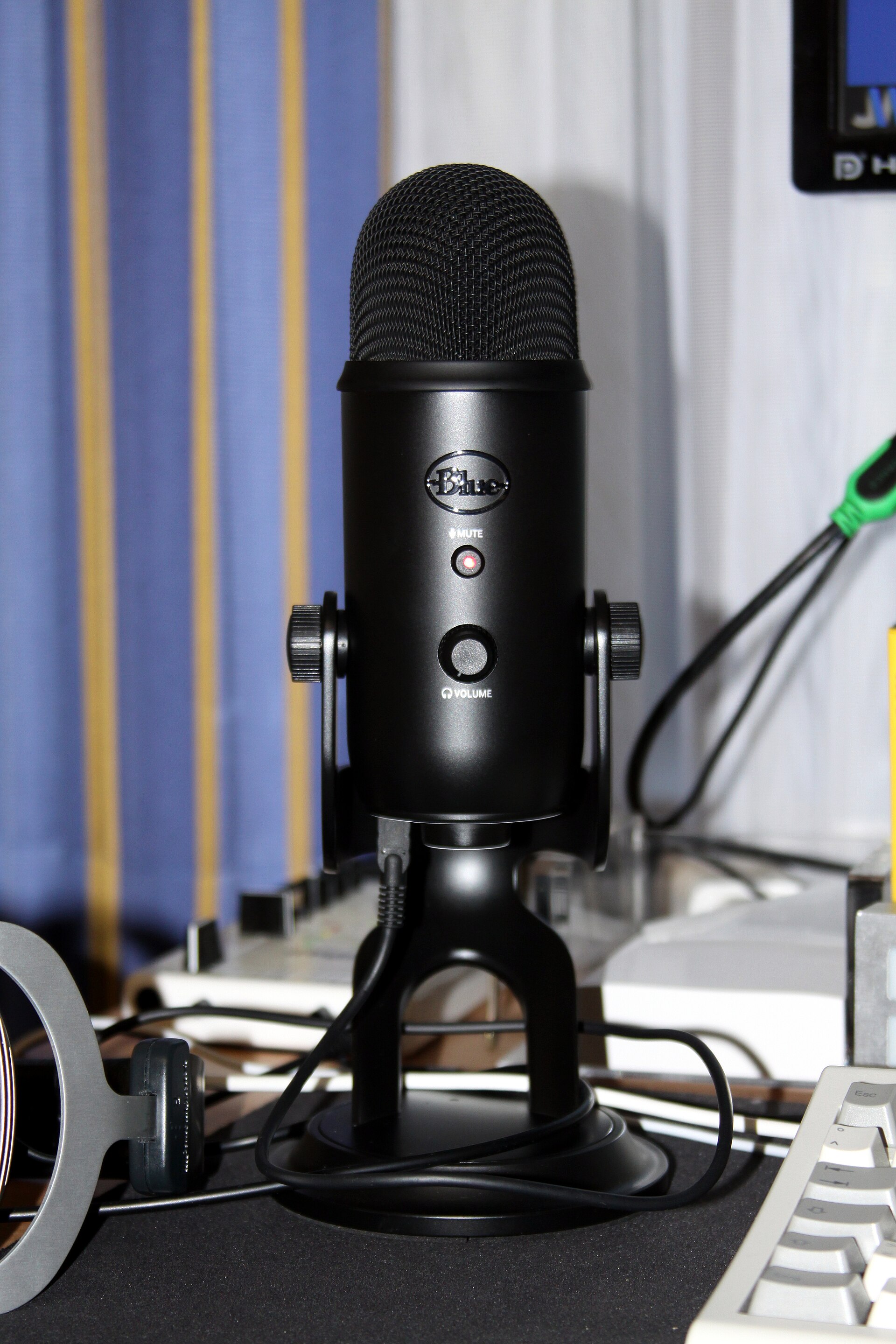
Audio quality is often the deciding factor in whether a viewer stays on your stream or clicks away. While 4K webcams and flashy overlays are visually appealing, poor audio is unforgivable in the modern content creation market. Fortunately, achieving professional sound doesn’t require a studio-grade investment anymore. The market for the best budget streaming microphones has exploded, offering gamers and creators exceptional clarity at a fraction of the cost of high-end gear. In this guide, we break down the top contenders for 2025, evaluating them based on price, vocal clarity, and ease of use. Whether you’re looking for a simple plug-and-play USB solution or a scalable XLR setup, this list covers the essential gear to elevate your broadcast. we’ve researched these microphones to ensure they deliver on the promise of crisp, clear communication for your audience and teammates.
Our Ranking Criteria
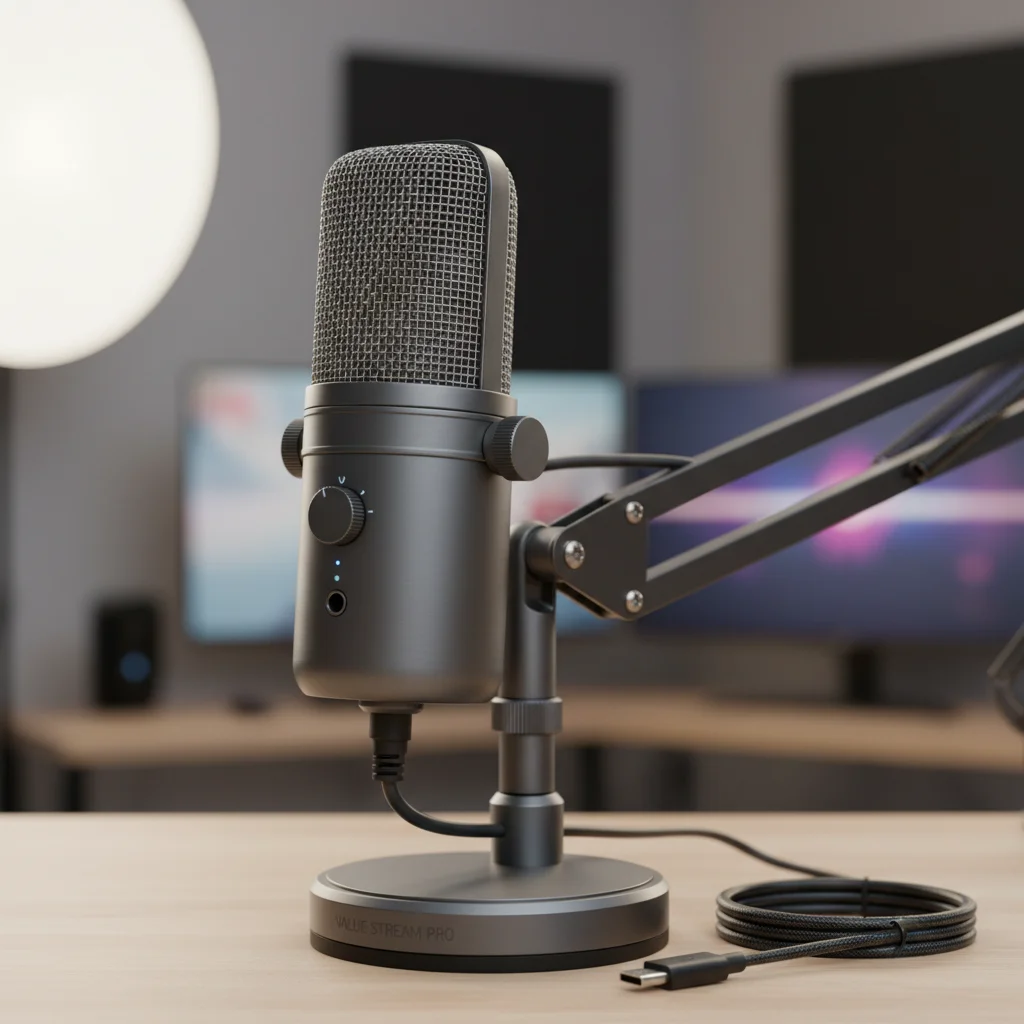
To determine the best budget streaming microphones, we utilized a strict set of criteria tailored to the needs of gamers and content creators. We didn’t just look at the price tag; we analyzed the performance-to-value ratio to ensure you get the most bang for your buck. Here’s how we evaluated each product:
-
Audio Quality: The primary factor. Does the microphone capture natural, clear vocals without excessive background noise or static?
-
Connectivity (XLR vs USB): We assessed the versatility of connection types. USB offers ease of use, while XLR provides upgrade paths and better audio mixing capabilities.
-
Background Noise Rejection: Essential for gamers with mechanical keyboards. We tested how well the mics isolate the voice from clicks and fan noise.
-
Build Quality & Durability: Budget shouldn’t mean fragile. We looked for solid construction that can withstand daily use.
-
Features: We checked for value-adds like tap-to-mute buttons, gain knobs, headphone monitoring jacks, and included software.
-
Price: All options selected are positioned as budget-friendly, generally falling under the $100-$150 mark, making them accessible entry points.
1. Samson Q2U
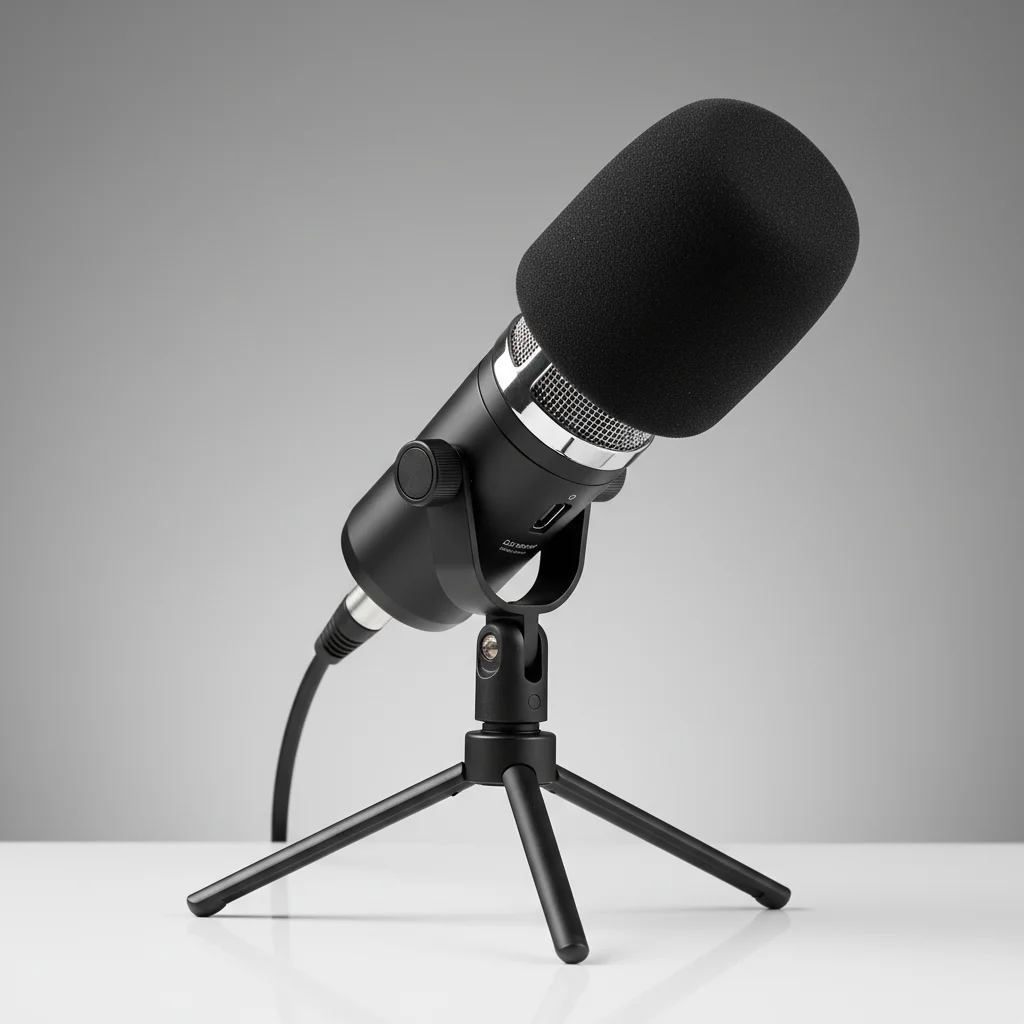
Recording and Podcasting Pack Short Summary Line: The undisputed king of value, offering both USB and XLR connectivity that grows with your streaming setup. Key Features
-
Dual USB and XLR output for maximum versatility.
-
Dynamic microphone capsule that naturally rejects background noise.
-
Zero-latency headphone monitoring jack.
-
Includes desktop tripod, windscreen, and cables.
-
Plug-and-play compatibility with PC and Mac. Technical Specifications
-
Type: Dynamic
-
Polar Pattern: Cardioid
-
Frequency Response: 50Hz–15kHz
-
Sample Rate: Up to 48kHz/16-bit
-
Connection: USB Mini-B / XLR Pros
-
Incredible value for money.
-
Excellent noise rejection for untreated rooms.
-
Versatile upgrade path (start with USB, move to XLR mixer later). Cons
-
The included stand is a bit flimsy.
-
Uses an older Mini-USB port. Why It Made the List The Samson Q2U is widely considered the gold standard for best budget streaming microphones because it solves the biggest dilemma for beginners: “Do I buy a simple USB mic or a pro XLR mic?” With the Q2U, you get both. Its dynamic capsule is forgiving in noisy environments, making it perfect for gamers who don’t have a sound-treated studio. Best For Streamers who plan to upgrade their audio gear over time without buying a new microphone.
2. HyperX SoloCast Short Summary
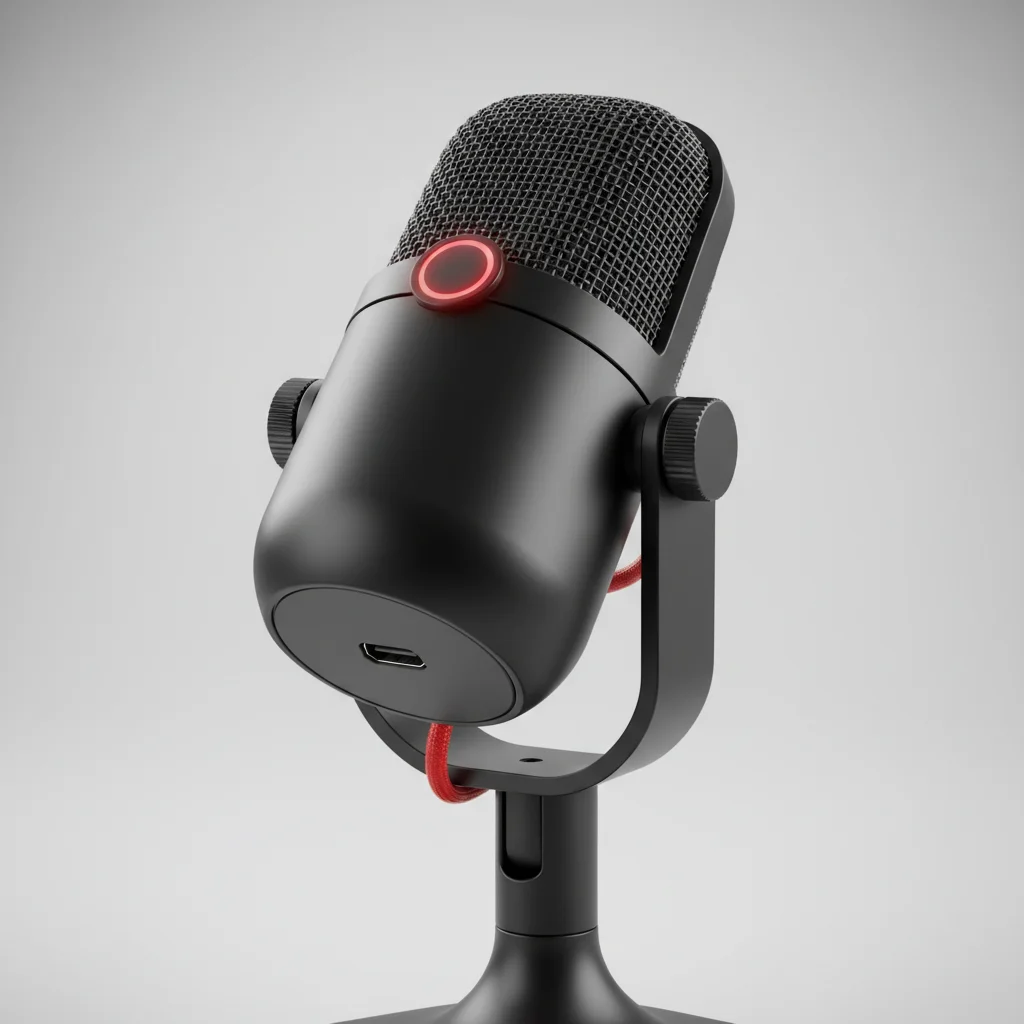
Line: A compact powerhouse that delivers near-professional audio quality in a tiny, no-nonsense package. Key Features
-
Convenient tap-to-mute sensor on top.
-
Flexible, adjustable stand.
-
Plug-and-play USB-C connectivity.
-
Compact design fits under monitors easily.
-
Discord and TeamSpeak certified. Technical Specifications
-
Type: Condenser
-
Polar Pattern: Cardioid
-
Frequency Response: 20Hz–20kHz
-
Sample Rate: 48kHz/16-bit
-
Connection: USB-C Pros
-
Superior sound quality that rivals more expensive mics.
-
Very small footprint on your desk.
-
Modern USB-C connection. Cons
-
No physical gain knob on the device.
-
Stand transfers vibrations easily (requires a boom arm for best results). Why It Made the List HyperX stripped away non-essential features like headphone jacks and RGB to focus entirely on the capsule quality. The result is a microphone that sounds almost identical to the expensive QuadCast S but costs significantly less. It’s the definition of budget efficiency. Best For Gamers with limited desk space who want high-fidelity sound.
3. Fifine AM8
Short Summary Line: The best budget choice for gamers who want RGB flair combined with solid dynamic audio performance. Key Features
-
Controllable RGB lighting at the base.
-
Hybrid USB and XLR connections.
-
Touch-sensitive mute button and physical gain knobs.
-
Built-in pop filter foam cover.
-
Broadcast-style yoke mount included. Technical Specifications
-
Type: Dynamic
-
Polar Pattern: Cardioid
-
Frequency Response: 50Hz–16kHz
-
Sample Rate: 48kHz/16-bit
-
Connection: USB-C / XLR Pros
-
Fantastic aesthetic for gaming streams.
-
Dedicated volume controls for mic and headphones.
-
Smooth, warm vocal tone. Cons
-
Plastic build feels slightly cheap.
-
RGB requires USB power even when using XLR. Why It Made the List Fifine has disrupted the market by offering features usually found on $200 microphones. The AM8 gives you that “podcast” look and sound, plus the gaming aesthetic, all while retaining the ability to switch between USB and XLR setups. Best For Streamers who want their setup to look as good as it sounds.
4. Audio-Technica AT2020 (XLR) Short Summary
Line: The legendary studio workhorse that provides professional-grade detail for users with an audio interface. Key Features
-
High-SPL handling for loud reactions.
-
Custom-engineered low-mass diaphragm.
-
Rugged metal construction.
-
Industry-standard sound signature.
-
Requires 48V phantom power. Technical Specifications
-
Type: Condenser
-
Polar Pattern: Cardioid
-
Frequency Response: 20Hz–20kHz
-
Output Impedance: 100 ohms
-
Connection: XLR Pros
-
Incredible detail and clarity in the high end.
-
Built to last for years.
-
Professional studio heritage. Cons
-
Requires an audio interface (extra cost).
-
Picks up background noise easily due to sensitivity. Why It Made the List If you already have or plan to buy an audio interface, the AT2020 is often the first XLR mic recommended by engineers. It captures the nuance of your voice better than almost any dynamic mic on this list, providing a crisp, “airier” sound that sounds highly professional. Best For Vocalists and Just Chatting streamers who prioritize vocal detail.
5. Razer Seiren Mini Short Summary
Line: An ultra-portable and ultra-affordable option that looks sleek on camera and performs surprisingly well. Key Features
-
Supercardioid pickup pattern for tighter focus.
-
Heavy-duty tilting stand.
-
Shock-resistant built-in mount.
-
Available in multiple colors (Black, Pink, White).
-
Simple USB plug-and-play. Technical Specifications
-
Type: Condenser
-
Polar Pattern: Supercardioid
-
Frequency Response: 20Hz–20kHz
-
Sample Rate: 48kHz/16-bit
-
Connection: USB Pros
-
Extremely affordable.
-
Supercardioid pattern reduces keyboard noise better than standard cardioid.
-
Stylish, minimalist design. Cons
-
No mute button.
-
No headphone monitoring jack. Why It Made the List For strict budgets, the Seiren Mini is a marvel. It punches well above its weight class in terms of audio fidelity. While it lacks physical controls, its default sound profile is tuned specifically for speech, requiring almost no EQ to sound good on stream. Best For Budget buyers and minimalists who want a set-it-and-forget-it device.
6. Elgato Wave Neo Short Summary
Line: A modernized, user-friendly entry into the Elgato ecosystem, granting access to the powerful Wave Link software. Key Features
-
Access to Wave Link digital mixing software.
-
Touch mute sensor.
-
Extra-tall desktop stand for better positioning.
-
Plug-and-play with laptop, iPad, and PS5.
-
Built-in pop filter. Technical Specifications
-
Type: Condenser
-
Polar Pattern: Cardioid
-
Frequency Response: 20Hz–20kHz
-
Sample Rate: 96kHz/24-bit
-
Connection: USB-C Pros
-
Software allows you to mix game audio, music, and chat separately.
-
Very easy to set up.
-
Modern, clean aesthetic. Cons
-
Plastic build.
-
Slightly more expensive than raw budget competitors. Why It Made the List The hardware is good, but the software is why you buy this. Wave Link software is a virtual mixer that allows streamers to control exactly what their audience hears versus what they hear in their headphones. Getting access to this ecosystem at a budget price point is a huge advantage. Best For Streamers who need advanced audio routing without hardware mixers.
7. Maono PD200X Short Summary
Line: A feature-rich dynamic microphone inspired by the Shure SM7B but available at a fraction of the price. Key Features
-
Dual USB/XLR connectivity.
-
Customizable RGB ring.
-
Companion software for DSP processing (EQ, Limiter, Compressor).
-
Integrated shock mount.
-
Smart knob for gain and headphone volume. Technical Specifications
-
Type: Dynamic
-
Polar Pattern: Cardioid
-
Frequency Response: 40Hz–16kHz
-
Sample Rate: 48kHz/24-bit
-
Connection: USB-C / XLR Pros
-
Excellent deep broadcast tone.
-
Software features are solid for the price.
-
Great noise handling. Cons
-
RGB software only works in USB mode.
-
Requires a boom arm (no desk stand included usually). Why It Made the List The Maono PD200X offers that “radio DJ” sound signature that many gamers desire. It includes onboard processing via USB, meaning you can apply compression and EQ directly to the mic’s hardware, saving CPU resources while streaming. Best For Creators looking for a deep, broadcast-style voice tone.
8. Audio-Technica AT2040 Short Summary
Line: A specialized hypercardioid dynamic XLR microphone designed specifically for podcasting and broadcasting in untreated rooms. Key Features
-
Hypercardioid polar pattern for maximum isolation.
-
Integrated multistage wind screen (internal pop filter).
-
Integrated shock mount.
-
Professional XLR output only.
-
Solid all-metal construction. Technical Specifications
-
Type: Dynamic
-
Polar Pattern: Hypercardioid
-
Frequency Response: 80Hz–16kHz
-
Output Impedance: 600 ohms
-
Connection: XLR Pros
-
Best-in-class background noise rejection.
-
No need for a bulky external pop filter.
-
Looks professional on camera. Cons
-
Requires an interface with decent gain.
-
XLR only (no USB option). Why It Made the List If your gaming room is noisy, echoing, or shared with others, the AT2040 is your savior. Its hypercardioid pattern is extremely focused, picking up only what’s directly in front of it and ignoring the click-clack of your mechanical keyboard better than most mics on this list. Best For Gamers in noisy environments or shared living spaces.
9. Logitech Blue Yeti Nano Short Summary
Line: A smaller, streamlined version of the world’s most famous USB microphone, offering premium build and dual pickup patterns. Key Features
-
Two pickup patterns: Cardioid and Omnidirectional.
-
No-latency headphone monitoring.
-
Blue VO!CE software effects.
-
Premium metal finish.
-
Compact footprint. Technical Specifications
-
Type: Condenser
-
Polar Pattern: Cardioid / Omni
-
Frequency Response: 20Hz–20kHz
-
Sample Rate: 48kHz/24-bit
-
Connection: USB Pros
-
Software filters (noise reduction, EQ) are excellent.
-
Omni mode allows for round-table podcasting.
-
Solid, heavy build quality. Cons
-
Micro-USB connection feels dated.
-
Knob functionality is a bit limited compared to the Pro version. Why It Made the List While the original Yeti is bulky, the Nano fits perfectly in a modern gaming setup. The inclusion of Blue VO!CE software allows users to apply presets that make them sound like a pro broadcaster with a single click, which is invaluable for beginners. Best For Variety streamers who might need omnidirectional pickup for guest streams.
10. Shure SM58 Short Summary
Line: The industry legend for live performance that doubles as an indestructible, high-quality XLR streaming mic. Key Features
-
Legendary durability (virtually unbreakable).
-
Built-in spherical wind and pop filter.
-
Pneumatic shock-mount system reduces handling noise.
-
Tuned to accentuate the warmth of lead vocals.
-
Standard XLR connection. Technical Specifications
-
Type: Dynamic
-
Polar Pattern: Cardioid
-
Frequency Response: 50Hz–15kHz
-
Output Impedance: 150 ohms
-
Connection: XLR Pros
-
Will likely last a lifetime.
-
Forgiving of bad mic technique.
-
Excellent rejection of background noise. Cons
-
Low output requires an interface with good gain.
-
Doesn’t look “gamer” or flashy. Why It Made the List You see this microphone on concert stages for a reason. It handles high volume without distortion and ignores room noise. For a streamer who gets loud or rages, the SM58 is capable of handling the abuse while keeping the audio intelligible. It’s the ultimate reliability pick. Best For High-energy gamers and musicians.
Comparison Table
How to Choose the Right Budget Streaming Microphone
Selecting the right microphone goes beyond just picking the cheapest option. To get clear vocal quality, you need to match the microphone type to your recording environment. 1. Streaming Microphone XLR vs USB
This is the most common dilemma.
-
USB Microphones are plug-and-play. They have a built-in interface and connect directly to your PC. They’re ideal for beginners who want a simple setup.
-
XLR Microphones require an external audio interface (like a Focusrite Scarlett) to work. However, they offer better audio quality, lower noise floors, and the ability to mix multiple audio sources. If you plan to take streaming seriously in the long run, an XLR setup or a hybrid mic (like the Samson Q2U) is a smart investment. 2. Dynamic vs. Condenser
-
Dynamic mics (like the Shure SM58 or Fifine AM8) are less sensitive. They’re excellent at rejecting background noise like keyboard clicks and air conditioning. They give you that “radio host” sound but need to be close to your mouth.
-
Condenser mics (like the AT2020 or SoloCast) are very sensitive and capture high-frequency detail. They sound crisp and natural but will pick up every sound in your room. Choose these only if you have a quiet environment. 3. Clear Vocal Quality Tips Even the best budget streaming microphones can sound bad if used incorrectly.
-
Boom Arm: Get the mic off your desk to avoid thumps and vibrations.
-
Positioning: Keep the mic 2-6 inches from your mouth. The further away you’re, the more “room echo” you’ll hear.
-
Gain Staging: Don’t max out your volume. Set your gain so your voice peaks around -12dB to -6dB in your software to prevent distortion.
Frequently Asked Questions Do I need a pop filter?
Yes, absolutely. A pop filter or windscreen prevents “plosives” (hard ‘P’ and ‘B’ sounds) from causing uncomfortable distortion for your listeners. Many dynamic mics have internal foam, but an external one is always safer. Is XLR always better than USB? Not necessarily. Modern USB microphones have closed the quality gap significantly. However, XLR is more reliable, durable, and scalable. For a pure budget focus, USB offers better value since you don’t need to buy an interface. Can I use these microphones on a console? Most USB microphones listed here (like the HyperX SoloCast and Samson Q2U) work with PS4 and PS5. However, Xbox consoles generally have strict security protocols that prevent most standard USB microphones from working directly; you often need to route audio through a PC or use a specific headset connection. Which is better for a noisy room? A dynamic microphone is far superior for a noisy room. Its low sensitivity means it won’t pick up the dog barking downstairs or your PC fans spinning up as easily as a condenser mic would.
Final Verdict
Upgrading your audio is the single most impactful change you can make to your stream’s production value. Among the best budget streaming microphones for 2025, there are options for every type of setup.
-
For the absolute best value: Choose the Samson Q2U. It offers professional dynamic sound and includes everything you need to start, plus an XLR port for future upgrades.
-
For the best aesthetic: The Fifine AM8 brings the pro-broadcast look and RGB lighting that fits perfectly into a gaming battlestation.
-
For pure audio purity: The HyperX SoloCast remains unmatched in price-to-performance for those who just want clear sound without the hassle. Invest in one of these microphones, follow our clear vocal quality tips, and your audience will immediately notice the difference.