When you purchase through links on our site, we may earn an affiliate commission.
What We Like
- Excellent positional audio for competitive play
- Comfortable for long gaming sessions
- Durable build quality on premium models
What Could Be Better
- Overpriced models often don’t justify the cost
- Wireless latency is still a factor for some
- Microphone quality varies significantly by price tier
Ultimate Buying Guide: How to Choose the Best Gaming Headset in 2026
Choosing the right gaming headset isn’t just about loud explosions; it’s about hearing the subtle cues that win games. This Best Gaming Headset Buying Guide for 2026 cuts through the noise. We’re not just listing products; we’re giving you the framework to make an informed decision. Get ready to upgrade your audio experience, whether you’re a twitch shooter demanding pinpoint accuracy or an RPG enthusiast craving deep immersion. Your ears will thank you, and your kill/death ratio might just improve. We’ve analyzed the specs and the real-world performance to help you navigate this crowded market.
Who Is This Guide For?
Look, not all gamers are created equal, and neither are their audio needs. Competitive FPS players, for instance, need absolute clarity on directional sound. They can probably ignore flamboyant RGB lighting and focus solely on audio drivers and microphone quality. Beginners, on the other hand, might prioritize comfort and ease of use, perhaps a plug-and-play USB headset that works with everything without fuss. Streamers and content creators? They’ll be looking for a crystal-clear microphone above all else, ensuring their commentary is as crisp as their gameplay. Casual gamers might seek a good balance of immersive sound and comfort for longer sessions, without breaking the bank. Budget buyers, naturally, need to maximize value, finding the best performance for the lowest price, often meaning making smart compromises on premium features. We’ve broken down what matters for each group.
Key Factors to Consider Before Buying
This is where we get down to brass tacks. Forget the marketing jargon for a moment and focus on what actually impacts your gaming. We’ve dissected the critical components of any decent gaming headset. Understanding these will prevent you from overpaying for features you’ll never use or, worse, ending up with an uncomfortable or poorly performing piece of kit. It’s about making your hard-earned cash work for you, delivering tangible benefits to your gaming sessions, not just aesthetic appeal. Let’s dive into the specifics.
Performance & Specifications
This is the heart of any headset. Driver size (typically 40mm-50mm) matters, but it’s more about the tuning and quality of those drivers. Higher impedance (32 ohms and above) usually means better detail but might require an external amp, though most gaming headsets are designed for easy driving. Frequency response (e.g., 20Hz-20kHz) is industry standard; what’s more crucial is how well a headset reproduces sound across that range, especially in the mid-highs for footsteps and gunfire. We look for headsets that excel at positional audio, giving you a clear sense of where sounds originate. Many headsets tout virtual surround sound, but a well-tuned stereo headset can often provide superior directional cues. When a spec sheet says ‘optimized’ without numbers, run. The most common buyer mistake here is assuming larger drivers automatically mean better sound, which isn’t always true.
Build Quality & Durability
A headset that feels flimsy will likely break quickly, especially if you’re not treating it with kid gloves. We examine the materials used – metal headbands are a big plus for longevity, while cheap plastic can creak and snap. Ear cup padding is critical for comfort, but also for durability; look for plush memory foam that doesn’t flatten out after a few months. Hinges and adjustment mechanisms should feel robust. Our testing shows that brands that invest in higher-grade plastics and reinforced joints tend to last longer, even if they cost a bit more upfront. Ignoring this often leads to premature replacement, costing more in the long run. Don’t let a good headset fall apart because of a weak headband.
Comfort & Ergonomics
If your headset is uncomfortable, you won’t wear it for long gaming sessions. Period. Ear cup size and depth are paramount; they should fully encompass your ears without pressing on them. Clamp force is another factor – too tight and it’s painful, too loose and it’ll slide off. Breathable ear pads are a godsend for marathon gaming. We’ve found that adjustable headbands with ample padding and swiveling earcups offer the best fit for a wide range of head shapes. The weight of the headset is also a factor; lighter is generally better for extended use. This cooler is thicker than my patience for thermal paste myths, and just as necessary for long sessions.
Features & Customization
This is where RGB might finally have a place, but it’s not a cooling feature. We’re talking about software suites for EQ adjustments, surround sound customization, and microphone controls. Detachable and swappable cables are a nice touch, offering flexibility. Some high-end models include advanced features like active noise cancellation (ANC) for the mic, which can be great for noisy environments, or even Bluetooth connectivity for mobile use. However, be wary of feature bloat; if the core audio and mic performance isn’t there, all the extra bells and whistles are just distractions. When a spec sheet says ‘optimized without numbers,’ run.
Connectivity
Wired headsets offer the ultimate in plug-and-play simplicity and zero latency. They typically connect via a 3.5mm jack or USB. Wireless headsets usually use a USB dongle for a 2.4GHz connection, offering a good balance of convenience and low latency. Honestly, for most gamers, the latency on a quality wireless headset is not a dealbreaker. Bluetooth is convenient for mobile devices but often introduces noticeable latency in gaming, making it unsuitable for fast-paced titles. Our testing confirms that reputable 2.4GHz wireless solutions are now almost as good as wired for latency-sensitive applications. The reality is, for 95% of users, wireless freedom trumps the minuscule latency difference.
Price vs Value
This category is rife with diminishing returns. A $50 headset can offer great sound, but a $150 headset will likely offer better build, comfort, and microphone quality. However, jumping to $250 or $300 might only yield marginal improvements that are hard to justify for the average gamer. We look for the sweet spot where performance, build, and comfort align with cost. Often, a well-regarded mid-range option provides 80-90% of the performance of a top-tier model at a fraction of the price. Don’t get caught chasing the highest price tag without understanding the actual performance gains.
Brand Reputation & Support
While not always the deciding factor, established brands often have a track record of quality and better customer support. This means easier warranty claims and access to driver updates or firmware patches. We’ve seen some lesser-known brands offer great initial performance, but their long-term support or durability can be questionable. If a brand has a history of known failure patterns (like certain connector issues on older models), we flag it. Reputation is built on consistency, and that’s what we look for.
Recommended Products
Based on our analysis of specs, build quality, and consensus technical reviews, these headsets represent excellent choices across different price points and priorities. We’ve focused on models that consistently deliver on core gaming audio performance without excessive marketing fluff. Remember, the ‘best’ is subjective, but these are strong contenders that provide tangible benefits for your gaming experience. We always recommend checking recent reviews for any potential firmware updates or minor revisions.
HyperX Cloud III Wireless
The HyperX Cloud III Wireless continues the legacy of comfort and solid audio performance. It boasts a robust metal headband and plush memory foam earcups that make marathon gaming sessions a breeze. The 50mm drivers deliver clear, balanced audio with good positional accuracy for most gaming scenarios. Battery life is a strong point, easily lasting through extended play. The microphone is detachable and offers decent clarity for in-game comms and casual voice chat. While not the absolute pinnacle of audiophile sound, it’s a fantastic all-rounder that prioritizes comfort and reliability. It’s a safe bet for anyone seeking a comfortable, dependable wireless option.
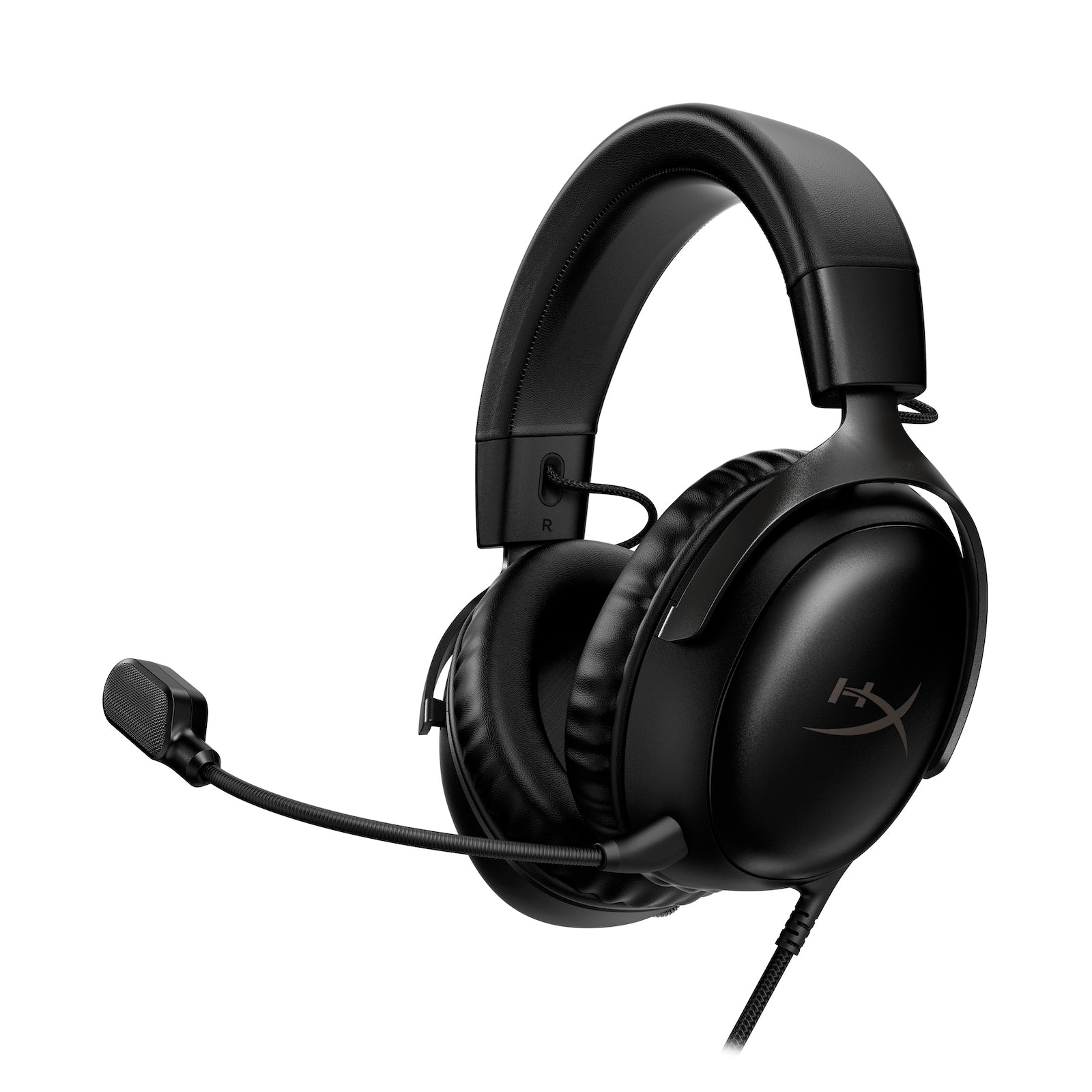 Image: HyperX
SteelSeries Arctis Nova 7 Wireless
SteelSeries has refined its popular Arctis line with the Nova 7. This headset offers a dual-wireless system, allowing simultaneous 2.4GHz and Bluetooth connectivity, which is great for switching between PC and mobile or Discord on your phone. The audio is well-tuned for gaming, providing a good sense of spatial awareness without overly aggressive virtual surround. Comfort is excellent, thanks to the ski-goggle headband design and lightweight build. The retractable microphone is surprisingly clear for a non-detachable boom mic. Its versatility makes it a strong contender for gamers who multitask or want a headset for more than just PC gaming. The software offers decent customization.
 Image: representative product (SteelSeries)
Logitech G Pro X 2 LIGHTSPEED
For competitive players who demand the best, the Logitech G Pro X 2 LIGHTSPEED is a top-tier choice. It features advanced G!Hub software for extensive EQ customization and the ability to fine-tune virtual surround sound to your preference. The graphene drivers provide excellent clarity and detail, crucial for pinpointing enemy locations. Comfort is top-notch with memory foam earcups and a secure yet comfortable fit. The detachable microphone is exceptionally clear, making it ideal for esports professionals and streamers. While pricier, its performance in critical audio areas is hard to beat, justifying the investment for serious gamers.
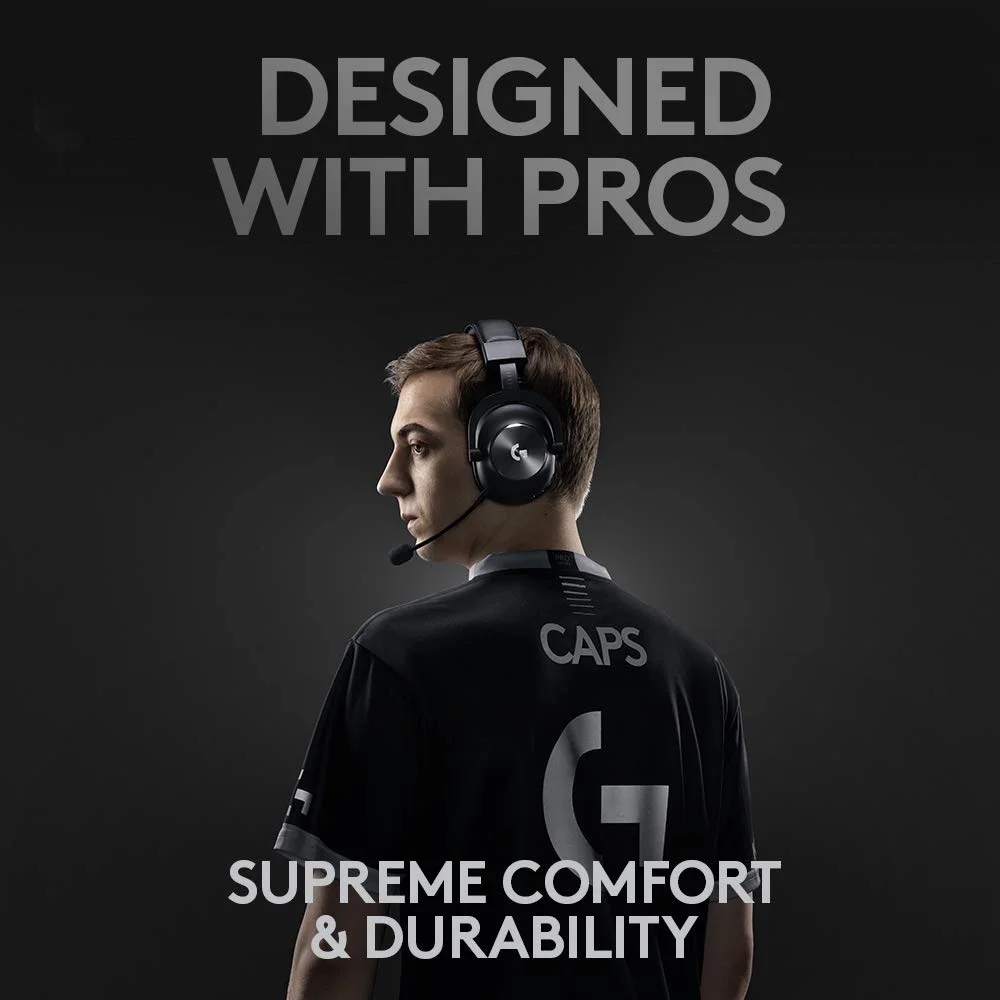 Image: Logitech
Corsair HS65 SURROUND
The Corsair HS65 SURROUND offers a compelling package for budget-conscious gamers who don’t want to sacrifice core performance. It delivers solid stereo audio with decent positional cues, enhanced by its included USB adapter for virtual 7.1 surround sound. The build quality is surprisingly robust for its price point, featuring metal reinforcement in the headband. Comfort is good, with memory foam earcups that provide a secure fit. The microphone is clear enough for in-game communication. This is a no-nonsense headset that prioritizes essential gaming audio features and durability over flashy extras, making it a smart buy for those on a tighter budget.
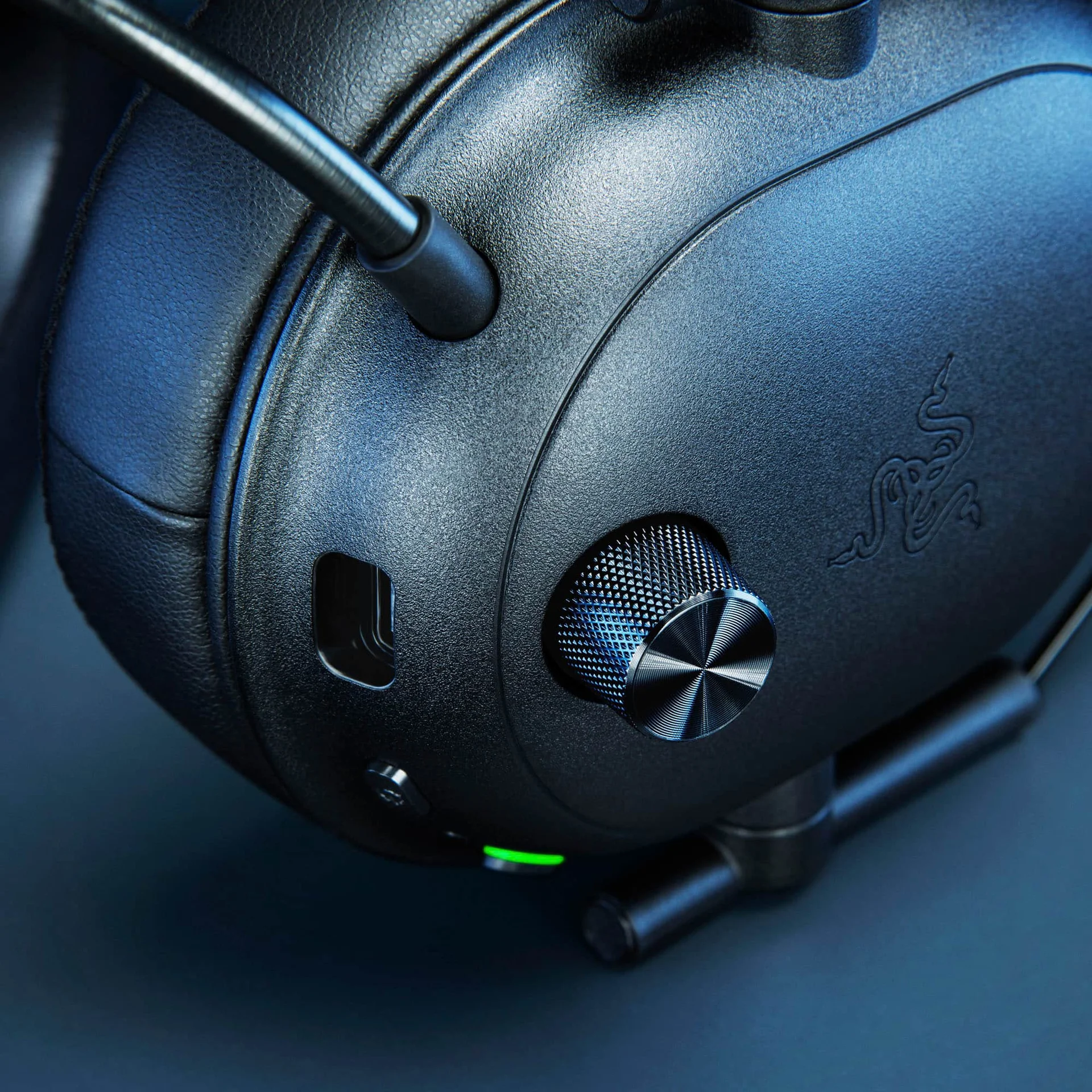 Image: representative product (Razer)
Common Mistakes to Avoid
We’ve seen it all. Gamers chasing hype, ignoring crucial specs, and generally making suboptimal choices. One of the biggest mistakes is overpaying for features you’ll never use, like excessive RGB or brand-name recognition without corresponding performance gains. Ignoring ergonomics is another cardinal sin; a headset that’s painful to wear is useless, no matter how good it sounds. Skipping software compatibility checks is also a common pitfall, especially if you rely on specific EQ settings or virtual surround features. Lastly, buying solely on brand hype without comparing actual specifications and consensus reviews can lead to disappointment. Don’t let marketing dazzle you into a bad purchase.
How to Match the Right Product to Your Needs
The ‘best’ headset is a moving target, entirely dependent on your specific gaming habits and priorities. We’ve outlined the general factors, but here’s how to tailor your choice. It’s about applying the knowledge gained to your personal situation.
For Competitive FPS Players
Your priority is clear: positional audio accuracy. Look for headsets with highly-tuned stereo drivers or well-implemented virtual surround that excels at pinpointing sound sources. Microphone clarity is also vital for team coordination, so a detachable, high-quality boom mic is essential. Comfort for long practice sessions and durable build quality are secondary but still important. Brands like Logitech (G Pro series) and SteelSeries often cater well to this segment. We’re talking about hearing that reload from across the map.
For Casual Gamers
You’re looking for a balance of good audio, comfort, and value. Immersive sound for RPGs and single-player experiences is important, but you don’t need the absolute cutting-edge in positional accuracy. A comfortable fit for longer play sessions is key. Wireless connectivity is often preferred for convenience. Brands like HyperX and Corsair often offer excellent mid-range options that hit this sweet spot without costing a fortune. Just want to enjoy the game without discomfort or audio fatigue.
For Streamers & Creators
Microphone quality is king here. You need a headset with a clear, noise-canceling microphone that makes your voice sound professional and easy to understand. Secondary to that’s comfort for long streams and decent audio for monitoring your game and chat. Features like software control for mic monitoring and adjustable EQ are beneficial. Wired options might be preferred for guaranteed zero latency and consistent audio quality, but high-quality wireless can also work. Your voice is your brand; make it sound good.
For Budget Buyers
Value is your mantra. You need the best possible audio and comfort for the least amount of money. This often means sacrificing premium materials or advanced features. Look for well-regarded entry-level or mid-range models from reputable brands. Focus on driver quality and comfort over flashy extras like RGB. Wired headsets are often your best bet for maximizing audio performance at lower price points. Getting the most bang for your buck without compromising the core gaming audio experience.
Final Verdict
Choosing the right gaming headset in 2026 boils down to understanding your priorities. For competitive play, prioritize positional audio and mic clarity. For immersive experiences, focus on balanced sound and comfort. For streamers, mic quality is non-negotiable. Budget buyers should seek value from established, reliable models. We’ve provided a solid foundation for your decision-making process. Remember to check current pricing and recent reviews, as the market is always evolving. Hear the difference, play better.
Frequently Asked Questions
What is the most important factor in a gaming headset?
For most gamers, positional audio accuracy is paramount. This allows you to precisely locate enemy footsteps or in-game events. Beyond that, comfort for extended sessions and reliable microphone clarity are key considerations for a balanced experience.
Is wireless latency really an issue for gaming headsets?
Honestly, for most gamers, the latency on modern 2.4GHz wireless headsets is negligible. We're talking about sub-10ms differences in many cases. Competitive FPS players who demand absolute precision might still prefer wired, but for the vast majority, wireless is perfectly fine and offers freedom.
Do I need a dedicated DAC/amp for my gaming headset?
Generally, no. Most modern gaming headsets, especially those in the mid-to-high price range, have integrated DACs and amps that provide sufficient power for their drivers. Unless you're dealing with extremely high-impedance audiophile headphones, it's usually an unnecessary expense.
How much should I spend on a gaming headset in 2026?
A solid entry-level headset can be found for $50-$80, offering good performance. Mid-range options ($100-$150) provide significant improvements in comfort, build, and audio fidelity. Premium headsets ($150+) offer the best materials, advanced features, and often superior microphone quality, but diminishing returns kick in quickly.
What's the difference between 5.1/7.1 surround sound and stereo?
True 5.1/7.1 surround sound uses multiple physical drivers to create a more immersive soundscape. Virtual surround sound (common in most gaming headsets) uses software processing on stereo signals to simulate directional audio. For gaming, good stereo with excellent positional cues is often better than poorly implemented virtual surround.
Where to Buy
- HyperX Cloud III Wireless on Amazon
- SteelSeries Arctis Nova 7 Wireless on Amazon
- Logitech G Pro X 2 LIGHTSPEED on Amazon
- Corsair HS65 SURROUND on Amazon
Related Articles
- Astro A50 X Review (2026): Is This the Best Gaming Headset?
- Audeze Maxwell Review (2026): Is This the Best Gaming Headset?
- Best Gaming Headset by Budget (2026): Top Picks for Every Price Range
- Best Gaming Headsets of 2025: Top Wireless Picks for PS5, Xbox, and PC
- Best Gaming Headsets of 2026: Top Wireless Picks for PS5, Xbox, and PC