When you purchase through links on our site, we may earn an affiliate commission.
What We Like
- Clear microphone communication is essential for team play.
- Immersive audio enhances gameplay immersion.
- Comfort is paramount for long gaming sessions.
What Could Be Better
- Marketing hype often overshadows actual performance.
- Wireless latency can still be a concern for competitive players.
- Overpaying for features you’ll never use is common.
Quick Answer
Introduction: Hear and Be Heard
Choosing the right gaming headset in 2026 isn’t just about hearing footsteps. It’s about commanding your digital battlefield. You need crystal-clear communication and immersive audio. This isn’t a simple ‘best of’ list. We’re giving you a framework, a decision tree. It cuts through the marketing noise and identifies gear that actually elevates your game. Whether you’re a pro chasing milliseconds or a casual player seeking immersion, understanding a headset’s core components is key. We’ll cover everything: driver size, frequency response, microphone noise cancellation, and connectivity. We’ll ensure you invest wisely in your audio setup. Forget the RGB glitter; we’re here for pure performance.
Who Is This Guide For?
This guide serves a spectrum of gamers. Each has distinct priorities. If you fall into multiple categories, focus on the overlap of your most critical needs. We’ve distilled what matters most for each segment. No fluff, just facts.
Competitive Gamers & Esports Athletes
Your priority is precision and speed. Absolute minimal latency is non-negotiable. Wired is often king here, but top-tier 2.4GHz wireless is now genuinely competitive. Accurate positional audio is essential – you need to discern enemy locations from subtle cues. Microphone clarity is equally vital for coordinating with your team under pressure. Noise cancellation must be robust enough to block out frantic button mashing and environmental noise. You can safely ignore flashy RGB lighting and excessive comfort features if they compromise weight or clamping force. Focus on driver accuracy and a tight, responsive sound profile. Forget superfluous software features; raw performance is your only metric. Anything less is a disadvantage.
Casual Gamers & Story Enthusiasts
Immersion drives your experience. You want audio that pulls you into the game world. Think rich bass and a wide soundstage for explosions and atmospheric effects. Comfort is also key for those extended play sessions. While microphone quality matters for chatting with friends, absolute low latency or top-tier noise cancellation might be less critical than for competitive play. You can afford to overlook the bleeding edge of wireless tech or the most stringent audio accuracy. If it means a more comfortable, enjoyable experience, go for it. Features like multi-platform compatibility and easy controls are beneficial. That said, don’t settle for truly poor mic quality.
Streamers & Content Creators
For you, the microphone is king. Broadcast-quality audio is essential. Your audience needs to hear you clearly, without distractions. This means superior noise cancellation and natural vocal reproduction are crucial. While audio immersion is good for your reactions, the focus shifts heavily to mic performance and comfort for long streams. You might also prioritize ease of use and integration with streaming software. Build quality is important for daily wear and tear. RGB can be a plus for stream aesthetics, but it’s secondary to audio and mic performance. Look for detachable or easily positionable microphones. Don’t compromise on your voice.
Budget-Conscious Buyers
You’re looking for the best bang for your buck. This means making smart compromises. Prioritize essential features: decent microphone quality for basic communication and reasonably clear audio for gameplay. Durability is important; a headset that lasts is always better than a cheap one that breaks quickly. Forget premium materials or advanced features like Dolby Atmos if they inflate the price. Focus on established brands known for producing reliable entry-level gear. Wireless is likely out of budget unless you snag a significant sale. Understand you won’t get audiophile-grade sound or top-tier noise cancellation. But you can still get a functional and enjoyable experience. Seriously, don’t expect miracles for $30.
Key Factors to Consider Before Buying
Navigating the sea of gaming headsets requires understanding the technicalities behind the marketing. We’re breaking down the critical components that dictate performance and value. Stick with us; we’ll clear the fog.
Performance & Specifications
This is where the rubber meets the road. Driver size (typically 40mm or 50mm) influences sound reproduction; larger drivers can offer a wider frequency response and more impactful bass. But honestly, quality tuning is far more important than sheer size. Frequency response (e.g., 20Hz-20kHz) indicates the range of sounds the headset produces. For gaming, a wide and flat response is generally preferred for clear positional cues. Microphone pickup patterns (like cardioid) and signal-to-noise ratios matter for clarity; look for specs that indicate minimal self-noise. Noise cancellation effectiveness is often subjective, but higher SNR values typically mean better performance. Marketing claims of ‘surround sound’ often rely on software processing. Real talk, true hardware surround sound is rare. It usually requires multiple drivers per earcup, which is uncommon and often compromises stereo imaging. The most common mistake here is chasing high numbers without understanding their practical meaning. Or assuming a higher spec automatically equals better sound. It doesn’t.
Build Quality & Durability
A gaming headset is an investment. It needs to withstand the rigors of intense gaming sessions. We’re talking materials: metal headbands, robust plastic for earcups, and durable padding. Avoid headsets that feel flimsy. Don’t buy one that creaks when you adjust it. Reinforced joints and replaceable earcups are signs of a well-built product. A headset that feels light yet solid usually indicates good construction. We’ve observed many budget headsets skimp here, using cheap plastics that crack easily. Conversely, premium headsets often use aluminum or steel for reassuring heft and longevity. The common buyer mistake? Overlooking build quality for flashy aesthetics. That often leads to headset failure within a year. A real shame.
Comfort & Ergonomics
You’ll wear this for hours. Comfort isn’t a luxury; it’s a necessity. Look for plush, breathable earcups (memory foam is a solid choice). They should fit snugly but not create excessive pressure. The headband needs adequate padding and adjustability to distribute weight evenly. Earcups should be large enough to comfortably fit over your ears, without pressing on them. Weight is another factor; lighter headsets reduce neck strain during long sessions. Clamping force is critical: too tight and it’s uncomfortable; too loose and it might fall off. Some headsets offer swappable earcups or adjustable headbands for a custom fit. Ignoring ergonomics is a recipe for fatigue and discomfort, especially for those with glasses. Don’t do it.
Features & Customization
Beyond basic audio, features can enhance usability. Noise-cancelling microphones, as we’ve discussed, are crucial for many. On-ear controls for volume and mic muting are standard and highly convenient. Some headsets offer detachable microphones. That’s great for listening to music or if you use a separate mic for streaming. Software customization, such as EQ adjustments and virtual surround sound, can tailor the audio profile to your preferences. But be wary of software that’s clunky or resource-intensive. RGB lighting is purely aesthetic; it doesn’t improve performance and can sometimes increase cost. Look, the biggest mistake here is paying extra for features you’ll never use. Like advanced software suites for a simple plug-and-play setup. Seriously, don’t waste your cash.
Connectivity: Wired vs. Wireless Reality
This is where marketing often oversimplifies. Wired headsets offer zero latency. Period. They’re the reliable choice for competitive players. Wireless headsets? They’ve improved dramatically. Modern 2.4GHz proprietary connections (using a USB dongle) offer latency so low it’s virtually imperceptible for 99% of gamers. Bluetooth, however, often introduces noticeable lag. That makes it unsuitable for fast-paced gaming. Battery life on wireless headsets is also a consideration; aim for at least 15-20 hours. Compatibility is another factor: some wireless headsets use USB-C, others USB-A, and some offer Bluetooth as a secondary option for mobile devices. The common misconception is that all wireless is laggy. That’s simply not true for dedicated gaming wireless tech. But if you’re a top-tier competitive player, wired still holds the absolute edge. Every millisecond counts.
Price vs. Value: Where Does Diminishing Return Begin?
Gaming headsets span a wide price range. Value isn’t always linear. Budget options (under $50) provide basic functionality. Mid-range headsets ($50-$150) often hit the sweet spot. They offer significant improvements in build quality, comfort, microphone clarity, and audio performance. Premium headsets ($150+) typically deliver top-tier materials, advanced features like high-fidelity wireless, superior noise cancellation, and often brand cachet. Diminishing returns typically start around the $150-$200 mark for most gamers. Beyond that, you’re often paying for minor incremental improvements, superior brand recognition, or features only a niche user will truly appreciate. Always weigh the extra cost against tangible benefits for your specific use case. Don’t overspend on marginal gains.
Brand Reputation & Support
Established brands often have a track record of reliability and better customer support. Companies like SteelSeries, HyperX, Logitech, and Razer have been in the gaming peripheral space for years. Their reputation builds on consistent product performance and accessible warranties. While lesser-known brands might offer competitive specs on paper, their long-term support and durability can be questionable. Look for brands that offer clear warranty information and accessible customer service channels. A good brand reputation means you’re less likely to end up with a product that fails prematurely with no recourse. That’s peace of mind, right there.
Recommended Products
Here are a few current standouts. They represent strong value across different priorities. These aren’t exhaustive, but they offer a solid starting point for your research in 2026. Consider them tried and tested options.
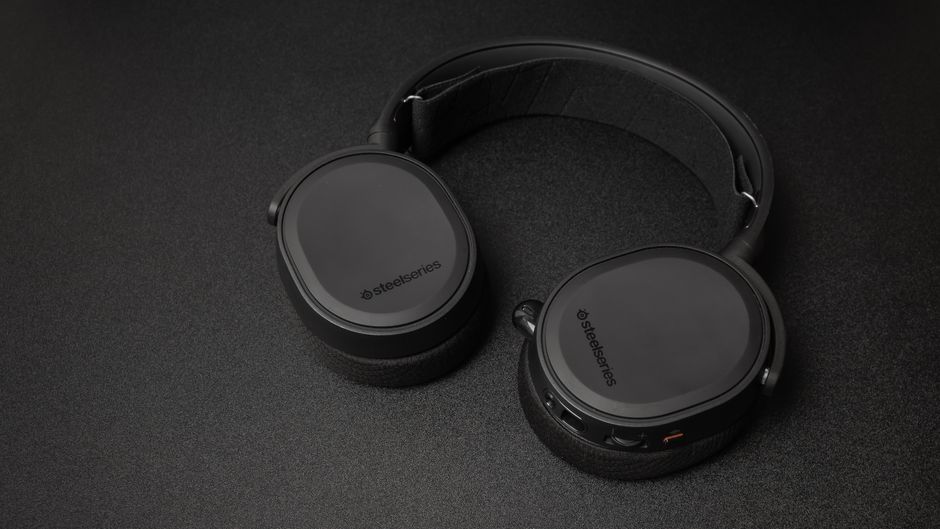
SteelSeries Arctis Nova 7 Wireless
This headset strikes an excellent balance for many users. Its dual wireless system (2.4GHz and Bluetooth) offers great versatility. Its comfortable design and clear mic make it suitable for extended sessions. Audio performance is solid for both gaming and general media. Battery life is competitive. It’s a strong all-rounder that doesn’t excel in one single area but performs admirably across the board. That makes it a safe bet for casual gamers and streamers who need flexibility. We find its overall package hard to beat.
 Image: representative product (SteelSeries)
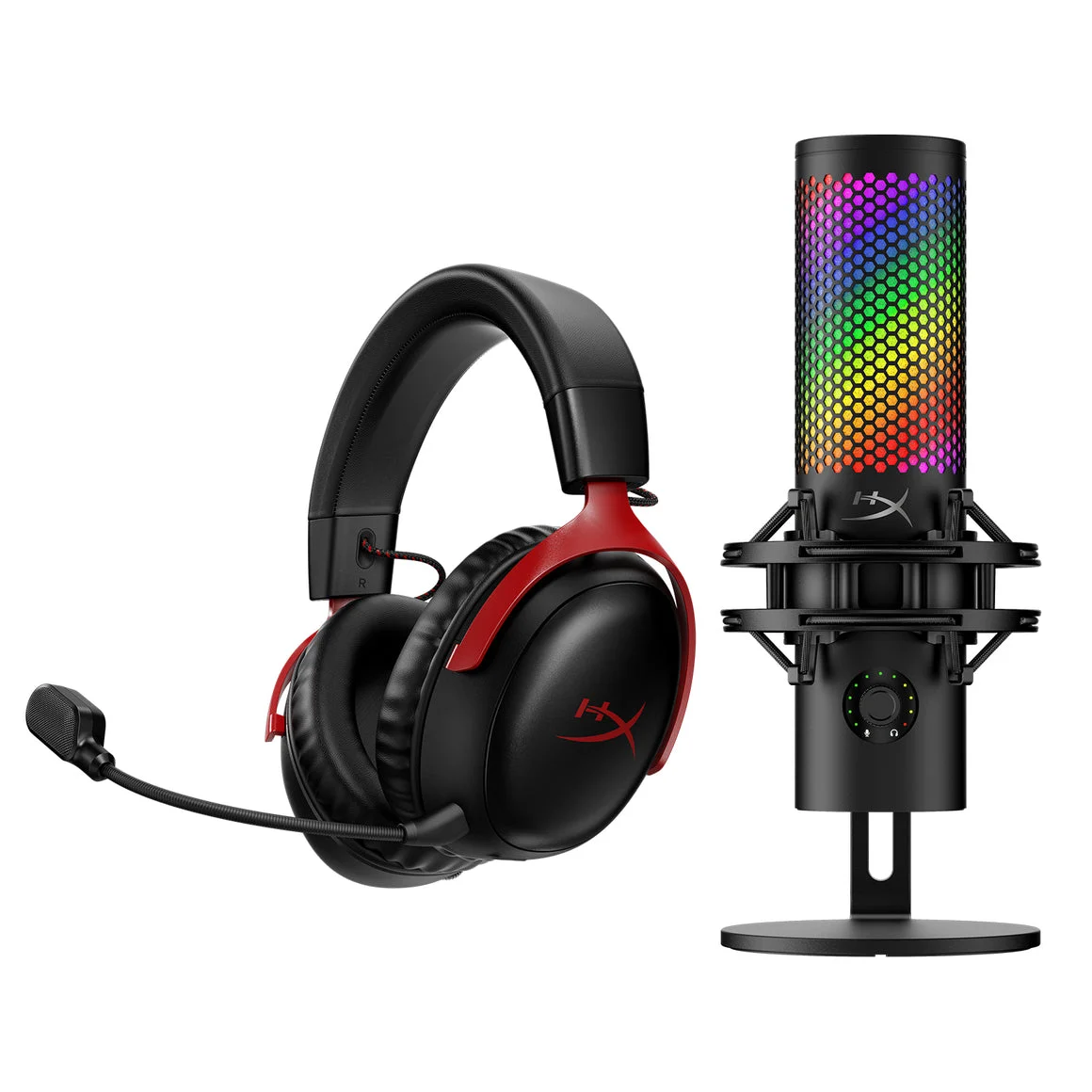
HyperX Cloud III Wireless
Building on a legacy of comfort and durability, the Cloud III Wireless delivers excellent audio quality. It also features a surprisingly good microphone for its class. The build is robust. Earcups remain comfortable for marathon sessions. Wireless performance is reliable, with minimal latency. It’s a fantastic choice for casual gamers and streamers. They prioritize comfort and a clear, consistent audio experience without breaking the bank. It’s not the flashiest, but it absolutely gets the fundamentals right. We’d call it a workhorse.
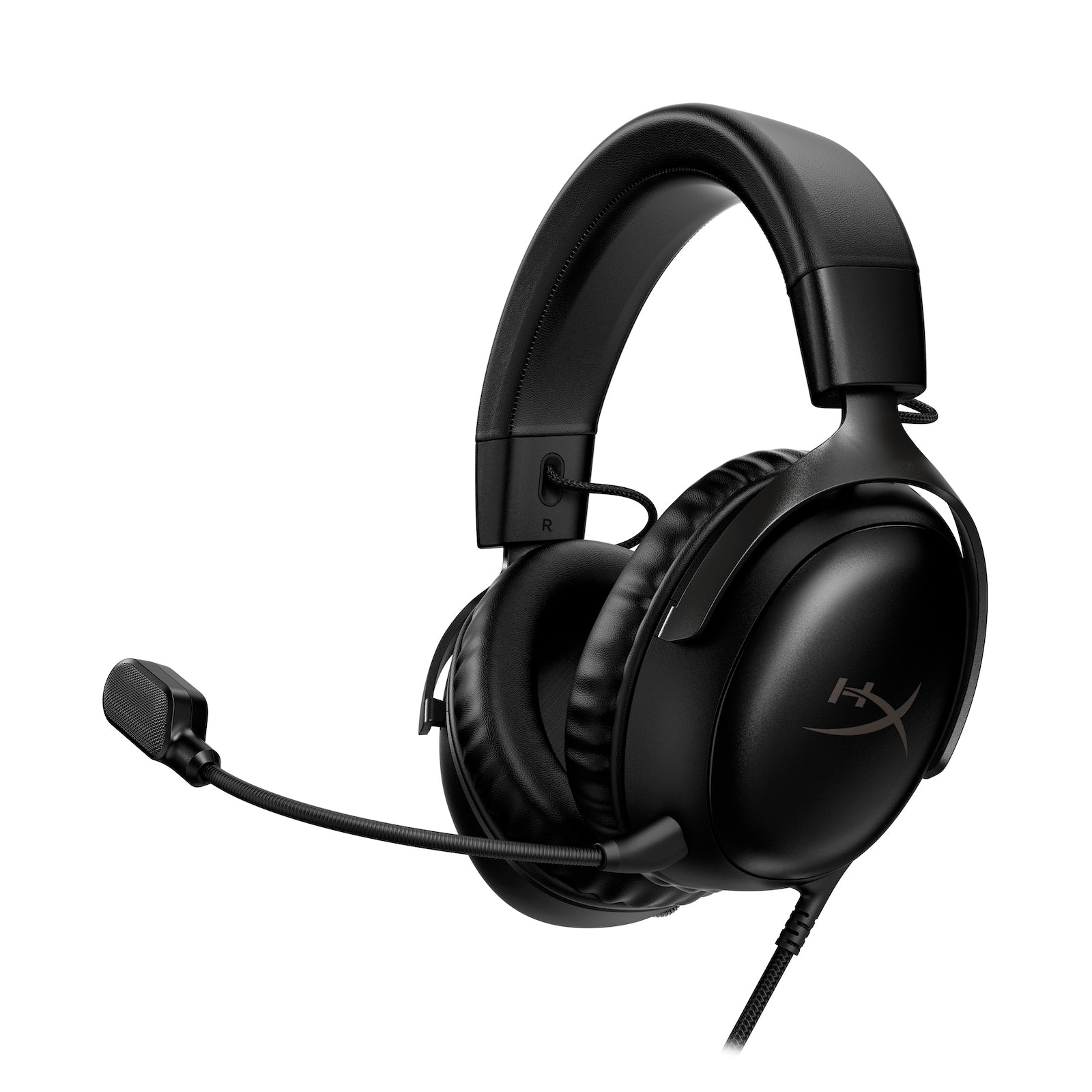 Image: HyperX
Razer BlackShark V2 Pro (2023)
For those prioritizing competitive edge, this headset is a strong contender. Its HyperClear Supercardioid microphone offers exceptional clarity and noise rejection. That’s crucial for team comms. The audio profile is tuned for competitive gaming, emphasizing positional cues. Its TriForce Titanium 50mm drivers deliver crisp sound. Wireless performance is top-tier, with minimal latency. While premium-priced, it’s a worthwhile investment for serious players. Those who demand the best in mic quality and audio precision won’t be disappointed. Honestly, it’s a benchmark for competitive audio.
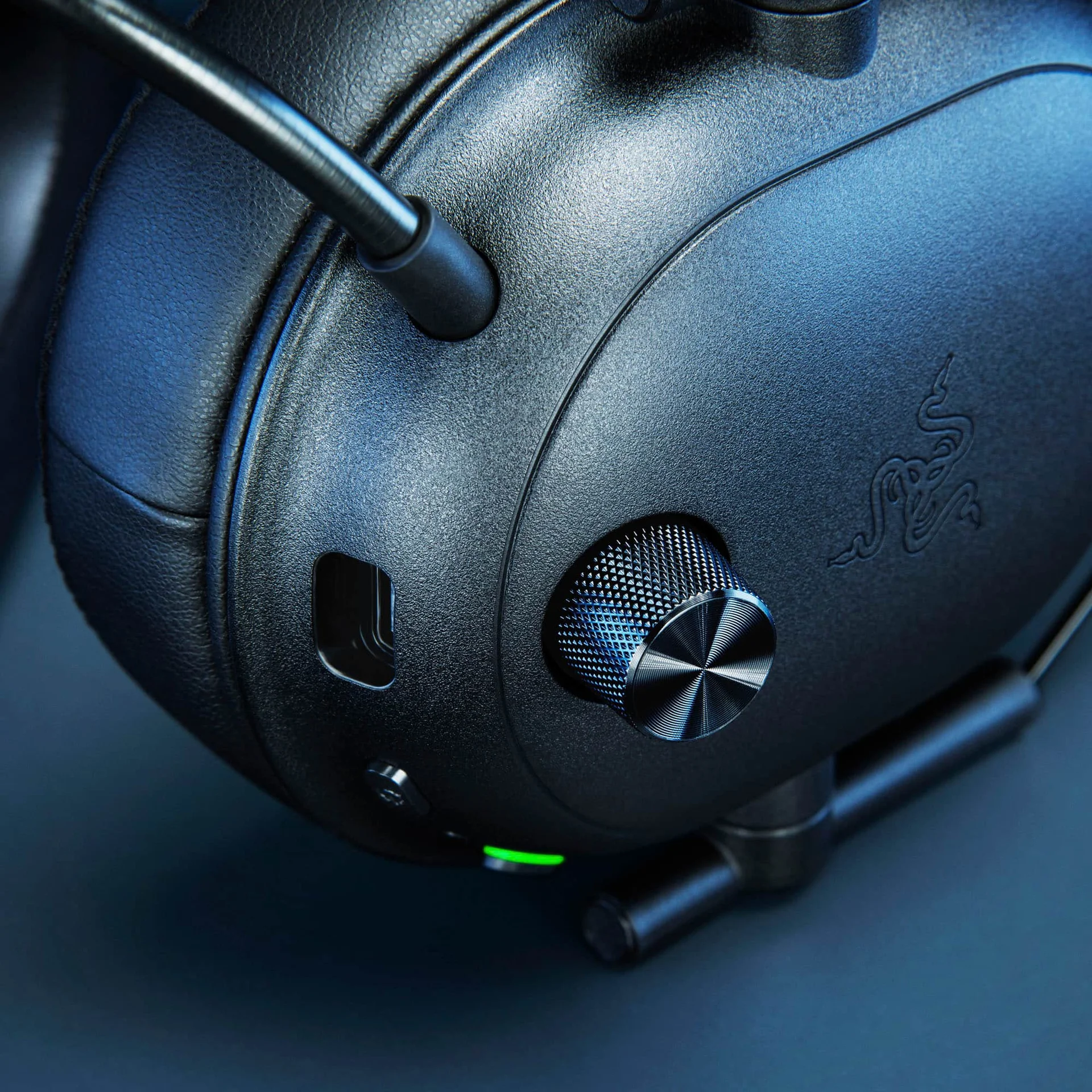 Image: representative product (Razer)
Corsair HS55 WIRELESS CORE
This headset represents solid value in the budget-friendly wireless category. It offers decent comfort and audio for its price point. Plus, reliable 2.4GHz wireless connectivity. The microphone is functional for basic communication, though it won’t win awards for broadcast quality. It’s a good option for budget-conscious casual gamers. Especially those wanting wireless convenience without a hefty price tag. It’s not perfect, but it offers a compelling package for under $100. A smart compromise, we’d say.
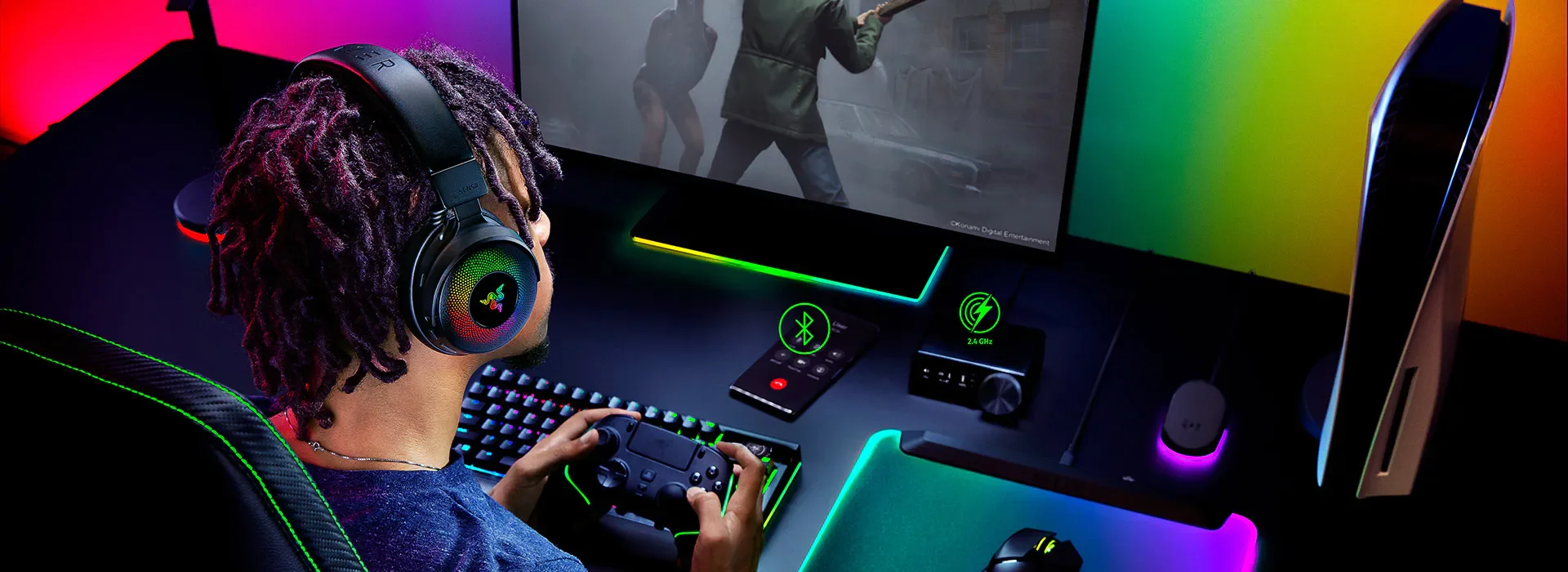 Image: representative product (Razer)
Common Mistakes to Avoid
Don’t let marketing jargon or impulse buys lead you astray. Here are common pitfalls to sidestep when choosing your next gaming headset. We’ve seen them all.
Overpaying for Unused Features
That headset with 16.8 million RGB colors and a dozen extra buttons might look impressive. But if you never change the lighting or use the buttons, you’ve just paid a premium for features you don’t need. Focus on the core audio and microphone performance that actually impacts your gameplay. RGB isn’t cooling. It’s just lighting. Period. We’ve seen many gamers succumb to the allure of flashy features. They often regret the cost when fundamental performance is lacking. Don’t be that gamer.
Ignoring Ergonomics and Comfort
A headset that feels like a vice grip after an hour is a failed purchase. No matter how good it sounds. We’ve all seen gamers fidgeting with uncomfortable headbands or complaining about ear fatigue. Prioritize headsets known for plush earcups, balanced weight distribution, and adjustable clamping force. Your ears and neck will thank you during those long raid nights. Skipping this consideration is a fast track to regret. It’s simply not worth it.
Skipping Software Compatibility Checks
If a headset relies heavily on software for its key features (like EQ or surround sound), ensure that software is compatible with your operating system. Also, make sure it doesn’t require an overly powerful PC. Some software suites are notoriously buggy or resource-intensive. They can actively hinder your experience. Always check reviews regarding software stability before committing. When a spec sheet says ‘optimized’ without numbers? Run. We’ve dealt with enough bad software to know.
Buying Solely on Brand Hype
While brand reputation matters, don’t assume every product from a big name is automatically the best. Competitors often offer superior value or specific features that align better with your needs. Do your research beyond the logo. Sometimes, a lesser-known brand punches above its weight class. It offers a superior product at a better price. We’ve seen plenty of flagship products from major brands underdeliver compared to mid-tier offerings from rivals. Hype doesn’t equal performance.
How to Match the Right Product to Your Needs
Let’s put it all together. We’ll match headset types to specific gamer profiles. This is where your research pays off.
For Competitive FPS Players
Your focus is pinpoint accuracy and low latency. Prioritize wired headsets or premium 2.4GHz wireless options. Look for demonstrably low latency (often quoted in milliseconds). Seek headsets with excellent positional audio cues. A crisp, clear microphone with effective noise cancellation is crucial for precise callouts. Build quality for durability and a secure, comfortable fit that won’t shift during frantic movements are also key. Features like RGB are irrelevant; raw audio and mic performance are everything. The SteelSeries Arctis Nova Pro Wireless or Razer BlackShark V2 Pro (2023) are good examples of what to aim for here. No compromise.
For Casual Gamers
Immersion and comfort are your main drivers. You want a headset that provides rich, engaging audio. Good bass for explosions and detailed soundscapes is a must. Comfort is essential for long, relaxed gaming sessions. A good microphone for chatting with friends is important, but extreme noise cancellation might be overkill. Wireless convenience is often a plus. Look for well-padded earcups, a comfortable headband, and decent battery life. The SteelSeries Arctis Nova 7 Wireless or HyperX Cloud III Wireless offer a great blend of immersion, comfort, and value. They won’t disappoint.
For Streamers & Creators
Your microphone is your primary tool. Seek headsets with superior, broadcast-quality microphones. Emphasize clarity, natural vocal reproduction, and excellent noise cancellation. This keeps your audience engaged. Detachable or easily positionable mics are a big plus. Comfort for long streaming hours is essential. While audio immersion helps your reactions, it’s secondary to mic performance. Look for headsets with strong build quality and reliable connectivity. The Razer BlackShark V2 Pro (2023) is a strong candidate due to its exceptional microphone. We consider its mic a standout.
For Budget Buyers
You need functional, reliable audio without breaking the bank. Prioritize essential features: a decent microphone for basic communication and clear enough audio for gameplay. Durability is key; a headset that lasts is always a better investment. Forget premium materials and advanced features. Look for well-reviewed wired options or entry-level wireless from reputable brands that offer good value. The Corsair HS55 WIRELESS CORE or a solid wired option like the HyperX Cloud II (if still readily available and priced competitively) are good examples of what to target. Don’t waste money on fleeting trends.
FAQs
Your remaining questions? Answered.
Final Verdict
Choosing the best gaming headset in 2026 boils down to understanding your personal needs and priorities. Don’t get lost in the RGB glow or marketing hype. Focus on core performance metrics: audio clarity, microphone effectiveness, comfort, and build quality. Whether you’re a competitive player demanding zero latency or a casual gamer seeking immersion, there’s a headset out there. One that fits your budget and enhances your experience. Invest wisely. You’ll hear the difference.
Frequently Asked Questions
Do gaming headsets have noise cancelling microphones?
Yes, many gaming headsets feature microphones with noise cancellation. This technology filters out background noise like keyboard clicks or fan hum. It ensures your voice comes through clearly to teammates. However, effectiveness varies significantly by model and price point.
Is wireless latency a real issue for gaming headsets?
For most gamers, modern wireless tech offers latency low enough to be imperceptible. Seriously, you won't notice it. However, highly competitive esports players might still pick up a slight delay compared to wired options. Look for headsets using proprietary 2.4GHz wireless connections. They deliver the best performance.
What's the difference between 50mm and 40mm drivers in gaming headsets?
Larger drivers, like 50mm, generally offer a wider frequency response. They can produce more powerful bass and a broader soundstage. This often means a more immersive audio experience. But here's the thing: driver quality and tuning are far more critical than size alone. Don't chase numbers blindly.
How important is build quality for a gaming headset?
Build quality is crucial. A cheap-feeling headset, or one using flimsy materials, will likely break. Especially with regular use. We've seen it countless times. Look for metal construction, reinforced joints, and durable earcups for longevity. This is where mid-range and premium headsets genuinely shine. Don't skimp here.
Can I use a gaming headset for music or movies?
Many gaming headsets can reproduce music and movie audio adequately. That said, they're often tuned for gaming's specific sound profiles. For critical listening, dedicated audiophile headphones are usually superior. But for casual enjoyment? Most good gaming headsets will totally suffice. They're jacks-of-all-trades, masters of one.
Where to Buy
- SteelSeries Arctis Nova 7 Wireless on Amazon
- HyperX Cloud III Wireless on Amazon
- Razer BlackShark V2 Pro (2023) on Amazon
- Corsair HS55 WIRELESS CORE on Amazon
Related Articles
- Astro A50 X Review (2026): Is This the Best Gaming Headset?
- Audeze Maxwell Review (2026): Is This the Best Gaming Headset?
- Best Gaming Headset by Budget (2026): Top Picks for Every Price Range
- Best Gaming Headsets of 2025: Top Wireless Picks for PS5, Xbox, and PC
- Best Gaming Headsets of 2026: Top Wireless Picks for PS5, Xbox, and PC