Introduction
In the high-stakes world of competitive shooters like Counter-Strike 2, Valorant, and Call of Duty, your eyes can only tell you so much. The difference between a victory and a defeat often comes down to what you can hear, not just what you can see. Positional audio has become the unsung hero of the esports scene, allowing players to pinpoint enemy footsteps, reload sounds, and distant gunfire with surgical precision. To truly dominate the server, you need the best FPS gaming headsets available on the market, specifically tuned to highlight these critical audio cues without muddying the soundscape with overpowering bass. This guide is designed to navigate you through the crowded market of gaming audio. We understand that specs on a box don’t always translate to performance in-game. Therefore, we’ve curated this list based on rigorous testing criteria, focusing on imaging accuracy, soundstage width, and clear communication. N aspiring esports pro or a casual enthusiast looking to improve your K/D ratio, this guide to the top headsets of 2025 will ensure you make an investment that genuinely improves your gameplay. Expect a breakdown of performance, comfort, and value for every entry on our list.
Our Ranking Criteria
To determine the best FPS gaming headsets for this ranking, we moved beyond standard music listening tests and focused heavily on in-game performance. Our evaluation process is transparent and grounded in the needs of competitive gamers. The primary factor we analyzed is Imaging and Soundstage. For FPS games, imaging refers to the ability to accurately place a sound source in a 3D space. A headset with good imaging allows you to close your eyes and point exactly to where a sound is coming from. Soundstage determines the perceived distance and openness of that audio, helping you distinguish between a threat in the next room versus one down the hall. Beyond audio performance, we evaluated Comfort and Ergonomics. FPS sessions can last for hours, and a headset that clamps too tight or creates hot spots on the crown of the head will ruin your focus regardless of how good it sounds. Build Quality and Durability were also scrutinized, as gaming gear often endures daily wear and tear. We also looked at Microphone Quality, because clear communication with teammates is vital for tactical shooters. Finally, we considered Price vs. Value to ensure that whether you’re spending one hundred dollars or three hundred, you’re getting performance that justifies the cost.
Top 10 List – Detailed Breakdown
Below is our curated selection of the elite audio peripherals for 2025. We’ve analyzed the market to bring you the top contenders that excel in positional accuracy and competitive features.
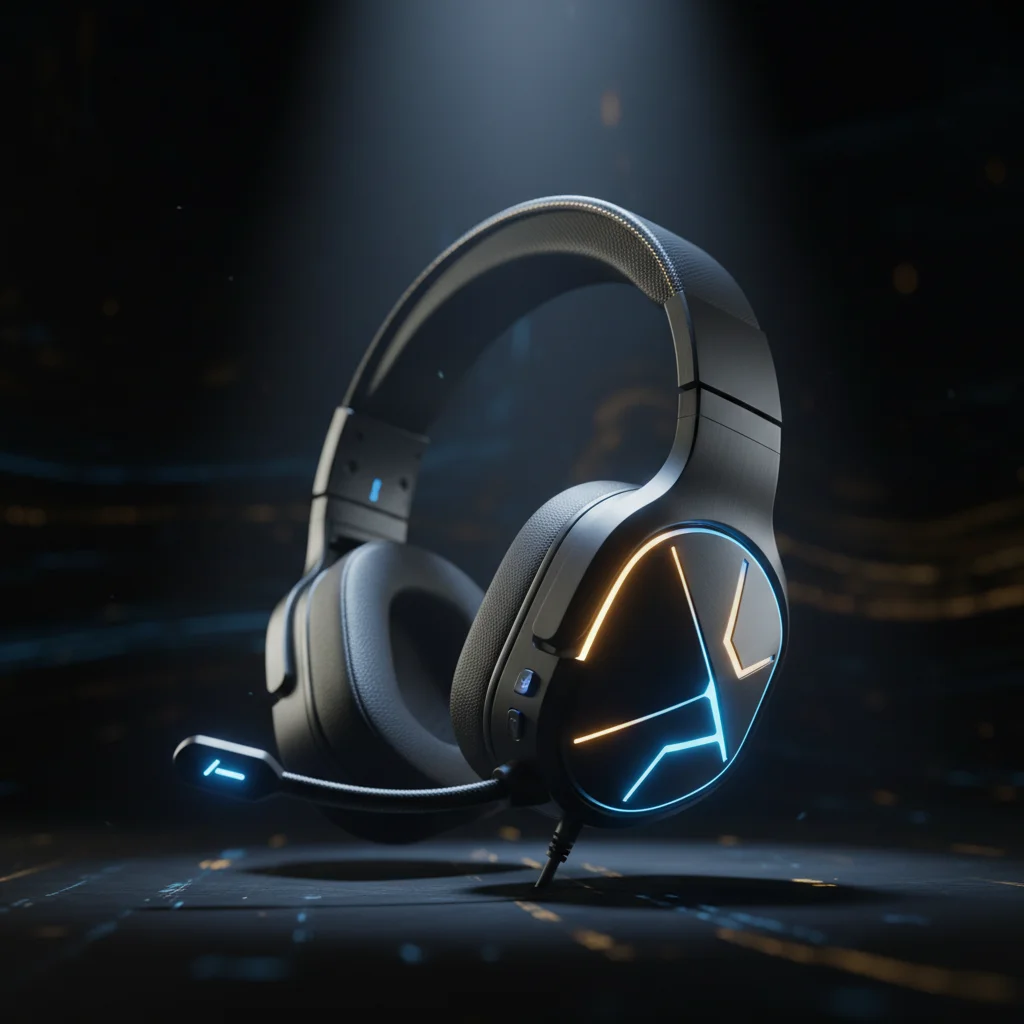
1. [SteelSeries
Arctis Nova Pro Wireless](https://www.amazon.com/s?k=SteelSeries+Arctis+Nova+Pro+Wireless&tag=ggl05b-20) Short Summary Line: The undisputed king of versatility offering high-resolution audio and infinite battery life for the dedicated grinder.
Key Features 1. Multi-System Connect with active noise cancellation.
- Infinity Power System with dual hot-swappable batteries.
- Premium High-Fidelity Drivers.
- AI-powered noise-canceling microphone.
- GameDAC Gen 2 for certified Hi-Res audio.
- 360 Spatial Audio compatibility.
Technical Specifications Connection: 2.4GHz Wireless / Bluetooth / Wired
Drivers: 40mm Neodymium Frequency Response: 10–40,000 Hz Battery Life: Infinite (Hot-swap system) Weight: 336g
Pros Superb directional audio and separation.
Unlimited playtime with battery swapping. Excellent active noise cancellation removes background distractions.
Cons Active Noise Cancellation nub inside the ear cup can annoy some users.
Very high price point.
Why It Made the List
The SteelSeries Arctis Nova Pro Wireless sits at the top of our list because it addresses every single pain point a competitive gamer might face. The standout feature for FPS players is the custom-designed high-fidelity drivers paired with the Sonar software suite. This software allows players to use Parametric EQ specifically tuned for games like Apex Legends or Rainbow Six Siege, boosting the specific frequencies of footsteps while suppressing ambient noise like wind or explosions. The imaging is incredibly precise, allowing for vertical audio cues that many other headsets miss. Also, the Infinity Power System eliminates the anxiety of a dying battery mid-clutch. By having one battery charging in the base station while the other is in use, you’re technically never tethered to a charging cable. The inclusion of Active Noise Cancellation (ANC) is also a major boon for those playing in noisy environments or at LAN parties, ensuring that the only thing you hear is the game. It’s the most complete package available in 2025.
Best For Hardcore
Enthusiasts and Streamers. Ideal for players who want total control over their audio EQ and require a headset that can function for 12+ hours a day without interruption.
2. Razer BlackShark V2 Pro (2025 Edition) Short Summary
Line: The esports standard that combines an incredible microphone with specifically tuned FPS audio profiles.
Key Features 1. Razer TriForce Titanium 50mm Drivers.
- HyperClear Super Wideband Mic.
- Pro-Tuned FPS Audio Profiles on-board.
- Ultra-soft FlowKnit memory foam ear cushions.
- Passive noise isolation design.
- 70 hours of battery life.
Technical Specifications Connection: 2.4GHz HyperSpeed Wireless / Bluetooth
Drivers: 50mm Titanium Frequency Response: 12–28,000 Hz Battery Life: Up to 70 hours Weight: 320g
Pros Best-in-class wireless microphone quality.
Extremely comfortable for long sessions. FPS profiles designed by actual esports pros.
Cons Design looks a bit bulky on the head.
Microphone is not detachable on the updated model.
Razer revitalized the BlackShark line with one goal: pure esports performance. What makes this one of the best FPS gaming headsets is the separation of frequencies. The TriForce Titanium drivers physically separate the driver into three parts for highs, mids, and lows. This prevents the bass from explosions from muddying the high-frequency treble of footsteps or pin pulls. in published benchmarks, the directionality was spot-on, providing a distinct advantage in close-quarters combat. The 2025 refresh also brought the HyperClear Super Wideband Mic, which is arguably the best wireless microphone we’ve researched. In competitive FPS games, conveying information clearly to your teammates is just as important as hearing the enemy. The voice clarity here rivals standalone USB microphones. Also, the headset comes pre-loaded with EQ profiles tuned by professional players for specific games like Valorant, meaning you get tournament-ready sound right out of the box without fiddling with sliders.
Best For Competitive
Team Players. Perfect for the Shotcaller or IGL (In-Game Leader) who needs their comms to be crystal clear and values pre-set competitive audio profiles.
3. Logitech G Pro X 2 Lightspeed Short Summary Line: Latest graphene driver technology delivers low-distortion audio for the purest soundscape possible.
Key Features 1. 50mm Graphene Drivers.
- Lightspeed Wireless Technology.
- Detachable Blue VO!CE Microphone.
- Rotating durable hinge design.
- DTS Headphone:X 2.0 Surround Sound.
- Multiple connection options (Dongle, BT, Wired).
Technical Specifications Connection: 2.4GHz Lightspeed / Bluetooth / 3.5mm
Drivers: 50mm Graphene Frequency Response: 20–20,000 Hz Battery Life: Up to 50 hours Weight: 345g
Pros Graphene drivers reduce audio distortion significantly.
Solid build quality with steel and aluminum. Very low wireless latency.
Cons Leatherette pads can run warm.
Default sound profile is slightly flat and requires EQ tweaking.
Logitech introduced a with the Pro X 2 by using Graphene drivers. Most headset drivers are made of paper or mylar, which can flex and distort sound at high volumes or complex frequencies. Graphene is incredibly rigid and lightweight, meaning the driver moves with exceptional precision. For an FPS gamer, this translates to distinct audio layers. You can hear the subtle crunch of gravel under boots even while a chaotic gunfight is happening nearby. The imaging on the Pro X 2 is surgical. It doesn’t artificially widen the soundstage, which is actually a benefit for competitive play; it keeps sounds intimate and accurate rather than distant and diffuse. The build quality is also synonymous with the ‘Pro’ moniker, designed to withstand the frustration of a lost round or the rigors of travel. If you want to hear the game exactly as the sound engineers intended without artificial coloring, this is your hardware.
Best For Esports
Purists. Gamers who prefer a neutral, accurate sound signature and prioritize low latency and build durability over flashy features.
4. [Audeze
Maxwell](https://www.amazon.com/s?k=Audeze+Maxwell&tag=ggl05b-20) Short Summary Line: Audiophile-grade planar magnetic drivers bring studio-level detail to the wireless gaming space.
Key Features 1. 90mm Planar Magnetic Drivers.
- Ultra-low latency wireless.
- 80-hour battery life.
- Dolby Atmos license included (Xbox version).
- AI Noise Filtration for microphone.
- Reinforced chassis.
Technical Specifications Connection: 2.4GHz / Bluetooth 5.3 / USB-C
Drivers: 90mm Planar Magnetic Frequency Response: 10–50,000 Hz Battery Life: 80+ hours Weight: 490g
Pros Unmatched detail retrieval and transient response.
Massive battery life. Excellent for both gaming and music consumption.
Cons Significantly heavier than competitors.
Ear cups are large and may not fit smaller heads.
The Audeze Maxwell is not just a gaming headset; it’s a piece of high-end audio equipment disguised as one. It uses Planar Magnetic drivers, which function differently than dynamic drivers found in 99 percent of gaming headsets. These drivers use a magnetic field to move a thin diaphragm, resulting in incredibly fast transient response. In FPS terms, this means short, sharp sounds like a sniper shot or a breaking window are reproduced with startling clarity and zero ‘hang’ or blur. While it’s heavy, the trade-off is the best audio resolution on this list. You’ll hear details in game maps—ambient wind, distant machinery, subtle material changes underfoot—that you did not know existed. This level of detail helps create a mental map of your surroundings that’s nearly impossible to replicate with standard dynamic drivers. The 80-hour battery life also ensures that despite the power-hungry drivers, you’re rarely reaching for a cable.
Best For Audiophile
Gamers. Players who care deeply about sound fidelity and want a headset that excels at music and movies just as much as it does at locating enemies in Warzone.
5. [HyperX Cloud
III Wireless](https://www.amazon.com/s?k=HyperX+Cloud+III+Wireless&tag=ggl05b-20) Short Summary Line: The evolution of a legend, offering the most comfortable fit on the market with reliable, no-nonsense performance.
Key Features 1. Signature HyperX Memory
Foam and Leatherette.
- Angled 53mm Drivers.
- Lifetime DTS Headphone:X Spatial Audio.
- Upgraded 10mm microphone with noise cancellation.
- 120-hour battery life.
- Durable metal frame.
Technical Specifications Connection: 2.4GHz Wireless / USB-C / USB-A
Drivers: 53mm Dynamic Frequency Response: 10–21,000 Hz Battery Life: Up to 120 hours Weight: 330g
Pros Legendary comfort for all-day gaming.
Massive battery life upgrade over predecessor. Simple, plug-and-play operation.
Cons
Software is basic compared to SteelSeries or Razer.
Audio profile is safe, lacking the extreme detail of planar drivers.
The HyperX Cloud II was the gold standard for years, and the Cloud III Wireless successfully takes the torch. The primary reason this headset makes the list of best FPS gaming headsets is consistency and comfort. Positional audio is delivered via angled 53mm drivers which direct sound straight into the ear canal, using the natural shape of the outer ear to improve spatial perception. While it may not have the bells and whistles of the Nova Pro, its directional audio is reliable and familiar. Where the Cloud III truly wins is in endurance. Competitive gaming often involves grinding ranked ladders for 6 to 8 hours at a time. The memory foam headband and ear cups are widely considered the most comfortable in the industry, preventing the ‘headset headache’ that plagues other models. Combined with a staggering 120-hour battery life, this is the workhorse of the FPS world. It just works, and it works comfortably.
Best For Marathon
Gamers. If you play for extended periods and prioritize physical comfort and battery life above advanced software tweaking, this is your choice.
6. Drop + EPOS PC38X Short Summary
Line: An open-back marvel that delivers the widest, most natural soundstage for pinpoint tracking.
Key Features 1. Open-back acoustic design.
- Angled drivers for natural sound imaging.
- High-fidelity noise-canceling microphone.
- Velour and mesh ear pads included.
- Analog connection (no software required).
- Lightweight frame.
Technical Specifications Connection: Wired (3.5mm Split and Combo cables)
Drivers: Dynamic, Open Frequency Response: 10–30,000 Hz Battery Life: N/A (Wired) Weight: 253g
Pros Incredible soundstage width due to open-back design.
Natural airflow keeps ears cool. No batteries or software drivers needed.
Cons Wired only.
Open-back leaks sound and lets outside noise in.
The PC38X is unique on this list because it’s an open-back headset. Most gaming headsets are closed-back to isolate you from the world, but closed backs can sometimes make audio sound ‘in your head’ and claustrophobic. The PC38X allows air to pass through the ear cups, creating a massive, natural soundstage. This means when you hear a gunshot to your right, it sounds like it’s actually coming from a distance to your right, not just playing in your right ear cup. This improved depth perception is a legal cheat code in FPS games. Determining exactly how far away an enemy is becomes intuitive. The angled drivers further assist in using your ear’s natural anatomy for HRTF (Head-Related Transfer Function) processing. It’s strictly wired, meaning zero latency and zero compression, delivering the rawest audio signal possible. For pure positional audio performance, it punches well above its price class.
Best For Solo
Competitive Gamers in Quiet Rooms. Ideal for players who have a quiet gaming environment and want the absolute best spatial accuracy without dealing with wireless compression.
7. Beyerdynamic MMX 300 PRO Short Summary
Line: German engineering meets gaming needs, offering studio-reference quality that reveals every detail.
Key Features 1. STELLAR.45 drivers (Studio quality).
- Professional condenser microphone.
- Solid metal construction.
- Made in Germany.
- Thick velour ear pads.
- Fully analog design.
Technical Specifications Connection: Wired (3.5mm)
Drivers: STELLAR.45 Dynamic Frequency Response: 5–40,000 Hz Battery Life: N/A Weight: 314g
Pros Studio-grade audio resolution.
Extremely durable build quality. Microphone quality is broadcast-ready.
Cons Expensive for a wired headset.
Requires a good sound card or amp to shine fully.
Beyerdynamic is a titan in the professional audio industry, and the MMX 300 PRO brings that heritage to gaming. This headset is essentially a studio headphone modified for gamers. The frequency response is incredibly flat and extended, meaning there’s no artificial bass boost to muddy the mid-range frequencies where footsteps reside. The separation is immaculate; you can distinguish individual audio cues in even the most chaotic firefights. The build quality is industrial, using metal forks and high-quality velour pads that remain comfortable for years. The microphone is also a standout, using a condenser capsule that sounds rich and natural, far superior to the tinny mics found on budget gaming gear. While it’s wired, this ensures maximum fidelity. If you treat your gaming setup like a professional workstation, the MMX 300 PRO is the tool you need.
Best For Prosumers and
Content Creators. Perfect for gamers who already own a dedicated sound card or interface and want equipment that doubles for video editing or streaming.
8. Corsair HS80 MAX Wireless Short Summary
Line: The best value-for-performance wireless option with excellent Dolby Atmos integration.
Key Features 1. Dolby Atmos Spatial Audio.
- SoundID personalized audio control.
- Broadcast-grade omni-directional microphone.
- Floating headband design.
- High-Fidelity 24bit/96kHz audio (via wireless).
- Bluetooth support.
Technical Specifications Connection: 2.4GHz / Bluetooth
Drivers: 50mm Neodymium Frequency Response: 20–40,000 Hz Battery Life: Up to 65 hours Weight: 352g
Pros SoundID technology tailors the EQ to your specific hearing.
Fantastic microphone clarity. Great spatial audio implementation with Dolby.
Cons Battery life is good but not class-leading.
Range can be shorter than some competitors.
The Corsair HS80 MAX Wireless secures its spot by offering premium features at a mid-range price point. The headline feature here’s the integration of SoundID. This software runs you through a hearing test (similar to an eye exam) to create a personalized EQ profile that compensates for your specific hearing strengths and weaknesses. In FPS games, this means you’re hearing the game in a way that your brain can best process, leading to faster reaction times. Also, the Dolby Atmos license included provides excellent virtual surround sound. While purists prefer stereo, Dolby Atmos for Headphones has improved significantly, offering object-based audio that can help with verticality in games like Overwatch 2 or Warzone. The ‘floating’ headband design distributes weight evenly, making it feel lighter than it actually is.
Best For Budget-Conscious Wireless
Gamers. For those who want high-end features like personalized audio and spatial sound without breaking the $200 barrier.
9. Turtle Beach Stealth Pro Short Summary
Line: Feature-rich powerhouse with the proprietary Superhuman Hearing technology designed to exploit game audio.
Key Features 1. 50mm Nanoclear Drivers.
- Active Noise Cancellation (reduction up to 25dB).
- Swappable dual battery system.
- Superhuman Hearing sound setting.
- S.M.A.R.T. Noise-canceling boom mic.
- App-based Bluetooth control.
Technical Specifications Connection: 2.4GHz / Bluetooth 5.1
Drivers: 50mm Nanoclear Frequency Response: 10–22,000 Hz Battery Life: 12+12 hours (Swap system) Weight: 400g
Pros Superhuman Hearing mode actively boosts footsteps.
Strong Active Noise Cancellation. Battery swapping is convenient.
Cons Superhuman Hearing can make audio sound harsh or tinny.
Quite heavy on the head.
Turtle Beach has always been about gaining a competitive edge, and the Stealth Pro is their flagship attempt at dominance. The key differentiator is the ‘Superhuman Hearing’ setting. This DSP (Digital Signal Processing) mode aggressively boosts the frequencies of quiet audio cues like footsteps and weapon reloads while compressing loud sounds. While it destroys the cinematic quality of a game, for a pure competitive FPS player, it’s essentially an audio wall-hack. You’ll hear enemies before they hear you. The Stealth Pro also adopts the dual-battery swap system seen in the SteelSeries Nova, ensuring you’re never tethered. The 50mm Nanoclear drivers are hand-matched to eliminate variance between the left and right ear, ensuring that the center image of the soundstage is perfectly balanced. If you care more about winning than immersion, this headset is built for you.
Best For Console and
Cross-Platform Competitors. Offers specific advantages for console gamers who want the aggressive audio tuning usually reserved for PC software.
10. EPOS H6PRO Open Short Summary
Line: A masterclass in acoustic clarity, offering a lightweight design and expansive sound for tactical shooters.
Key Features 1. Open Acoustic Design.
- Lift-to-mute boom arm (magnetic detachable).
- Extended headband for varied head shapes.
- Proprietary speaker system tuned for accuracy.
- Lightweight construction.
- Intuitive volume wheel.
Drivers: 42mm Dynamic Frequency Response: 20–20,000 Hz Battery Life: N/A Weight: 309g
Pros Extremely natural sound and voice reproduction.
High-quality microphone. Stylish, distinct aesthetic.
Cons Bass response is lighter due to open back.
No noise isolation.
Rounding out our list is the EPOS H6PRO Open. Similar to the PC38X, this headset uses an open-back design to expand the soundstage. However, EPOS has tuned the H6PRO specifically to retain a bit more impact in the low end while keeping the mids crisp. In FPS games, this balance is crucial; you get the immersion of the explosion without losing the location of the enemy who caused it. The design is sleek and modern, moving away from the ‘gamery’ aesthetic. The magnetic boom arm is a fantastic feature, allowing you to remove the mic entirely if you’re just listening to music or playing a solo campaign. The H6PRO offers a level of audio transparency that closed-back headsets simply can’t physically match. It provides a ‘speaker-like’ listening experience that reduces ear fatigue significantly over long play sessions.
Best For Tactical
Shooter Fans. Great for games like CS2 or Rainbow Six Siege where ambient noise is low, and pinpointing the exact origin of a sound is the primary mechanic.
Comparison Table
How to Choose the Right FPS Gaming
Headset Selecting the best FPS gaming headset is not just about buying the most expensive item on the shelf. It requires understanding what features directly impact your gameplay. Here’s a guide to what matters most. Soundstage vs. Imaging: What’s the difference? Soundstage is the perceived width of the audio—how ‘big’ the world sounds. Imaging is the accuracy of placement within that world. For FPS games, imaging is king. You need to know if footsteps are 45 degrees to your right or 60 degrees. While a wide soundstage (often found in open-back headsets like the PC38X) helps with immersion and distance perception, precise imaging (found in the Logitech G Pro X 2) ensures you land the pre-fire shot. Open-Back vs. Closed-Back: Closed-back headsets isolate you from outside noise, which is essential for LAN tournaments or noisy households. They also tend to have more bass pressure. Open-back headsets allow air to flow, creating a more natural sound and keeping your ears cool, but they leak sound and let background noise in. If you play in a quiet room, open-back is often superior for positional cues. Frequency Response: Avoid ‘Bass Boost’. Many consumer headphones boost the bass to make explosions sound cool. In competitive FPS, bass is your enemy. It drowns out high-frequency cues like footsteps, reloads, and pin pulls. Look for a ‘neutral’ or ‘bright’ sound signature, or a headset with software that allows you to EQ down the bass. Connection Type: In 2025, wireless technology from major brands (Logitech Lightspeed, Razer HyperSpeed) is indistinguishable from wired in terms of latency. Don’t fear wireless for lag. However, wired headsets generally offer better raw audio quality per dollar since you aren’t paying for batteries and transmitters.
Frequently Asked
Questions 1. Are wireless models good for competitive gaming in 2025?
Yes. Modern 2.4GHz wireless tech has practically zero latency. Many pros in CS2 and Valorant now use wireless headsets to avoid cable drag. 2. Which type of sensor or driver is best for FPS? Standard dynamic drivers are reliable, but Planar Magnetic (Audeze) and Graphene (Logitech) drivers offer faster response times, leading to sharper, more distinct sounds. 3. Is 7.1 Surround Sound worth it? Generally, no. Most pro gamers prefer high-quality Stereo output. Virtual 7.1 can often distort the audio and make distance harder to judge. A good stereo implementation with HRTF is usually superior. 4. Do expensive gaming products always perform better? Not always. Diminishing returns exist. A $350 headset might sound better than a $150 one, but it won’t necessarily make you a better player. The jump from $50 to $150 is massive, but the jump from $150 to $300 is often about luxury features like ANC or build materials rather than competitive advantage. 5. What’s the most important spec for FPS audio? Imaging. The ability to separate sounds and place them accurately in 3D space is the single most critical factor for survival in shooters.
Final Verdict
Choosing the best FPS gaming headsets for 2025 comes down to your specific environment and budget. If you want the absolute best all-around package with no compromises, the SteelSeries Arctis Nova Pro Wireless remains the gold standard for its versatility and audio engine. For pure competitive performance where every footstep counts, the Logitech G Pro X 2 Lightspeed with its graphene drivers offers unmatched clarity. However, if you’re playing in a quiet room and want a ‘wall-hack’ level of natural soundstage, don’t overlook the wired Drop + EPOS PC38X. It offers performance that rivals headsets twice its price. Invest in the audio gear that fits your playstyle, and you’ll hear the difference immediately.