Introduction
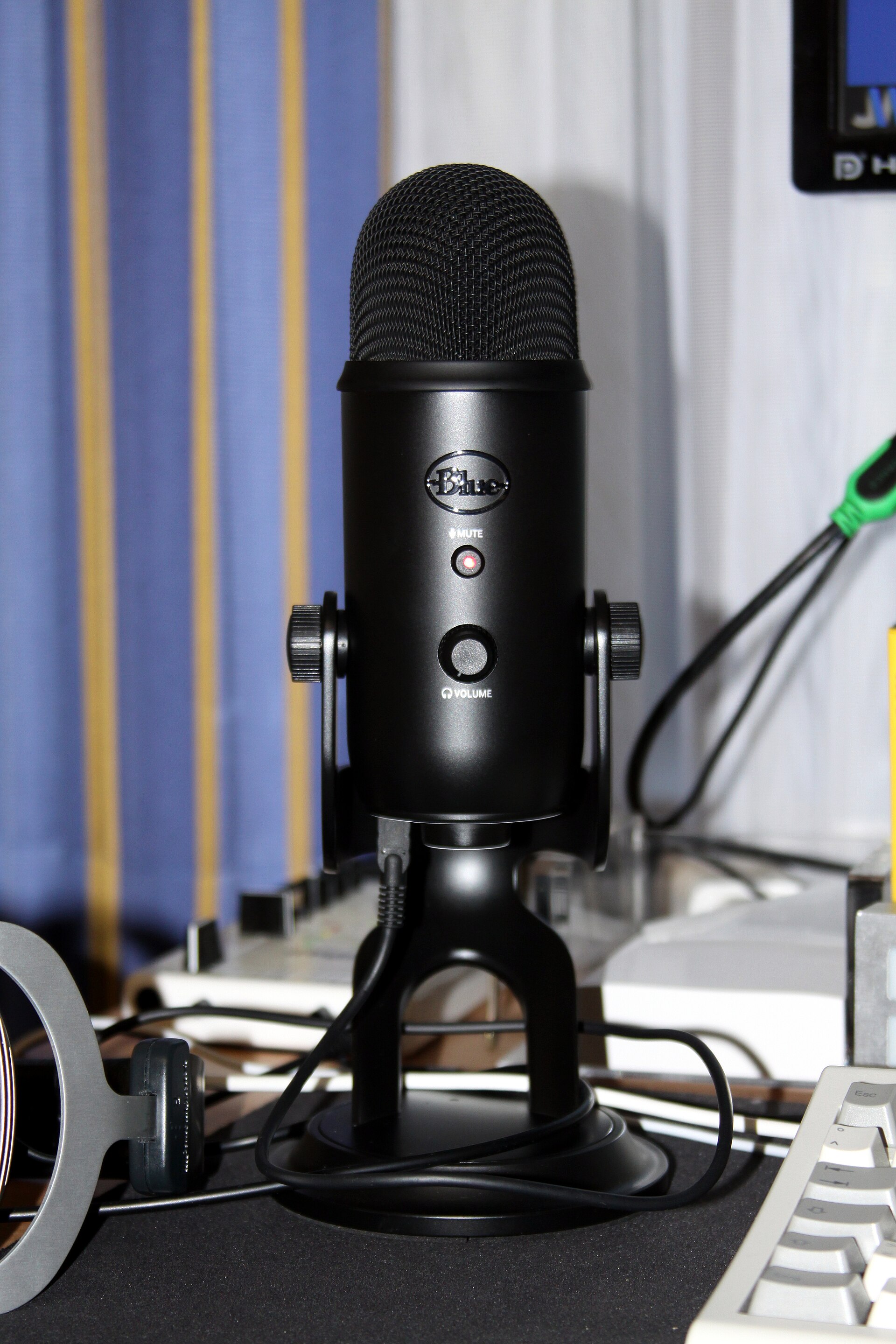
The trend towards minimalism in PC gaming setups has never been stronger. As gamers and content creators move away from bulky, studio-grade equipment that clutters their workspace, manufacturers are racing to deliver high-performance peripherals in smaller packages. Enter the NZXT Capsule Mini, a compact sibling to the original Capsule microphone designed to offer professional audio quality without dominating your desktop real estate. This NZXT Capsule Mini review dives deep into whether this diminutive device can truly replace its larger counterparts or if size reduction comes at the cost of audio fidelity. This review matters because the market is currently flooded with budget-friendly mini microphones, making it difficult to distinguish between cheap toys and genuine broadcasting tools. We’ll explore the build quality, sound performance, and software integration to help you decide if this microphone deserves a spot in your streaming setup. Casual gamer looking to upgrade from a headset mic or a budding streamer aiming for a professional desk aesthetics setup, this article promises a clear, unbiased breakdown of the Capsule Mini capabilities.
Key Takeaways
-
The it features a premium build quality with a weighted base that outclasses many plastic competitors in the budget bracket.
-
It offers 24-bit/48kHz audio resolution, providing clear and rich vocal capture suitable for streaming and Discord.
-
The device is strictly plug-and-play with USB-C connectivity, making it incredibly easy to set up for beginners.
-
Physical controls are limited; while it’s a volume knob and mute button, it lacks an onboard gain dial, requiring software adjustments.
-
It’s ideal for users prioritizing a clean, minimal aesthetic over advanced audio engineering features.
Product Overview
The NZXT Capsule Mini is a dedicated USB condenser microphone positioned in the entry-to-mid-range market. It belongs to the growing category of compact peripherals designed specifically for gamers and streamers who operate in smaller environments or simply prefer a cleaner look. Unlike the original NZXT Capsule, which was a full-sized unit, the Mini trims the fat, offering a streamlined cylindrical design that fits easily under monitors or on crowded desks. Targeting the aesthetic-conscious gamer, NZXT has marketed this product heavily on its visual appeal and simplicity. It’s designed for users who want to plug in a single cable and sound good immediately, without fiddling with complex audio interfaces or XLR cables. The unique selling point here’s the combination of NZXT’s signature clean design language with 24-bit audio depth, a feature often reserved for more expensive microphones. While it simplifies the user experience, it also represents a shift away from hardware-heavy controls to software-managed settings via NZXT CAM.
Design & Build Quality
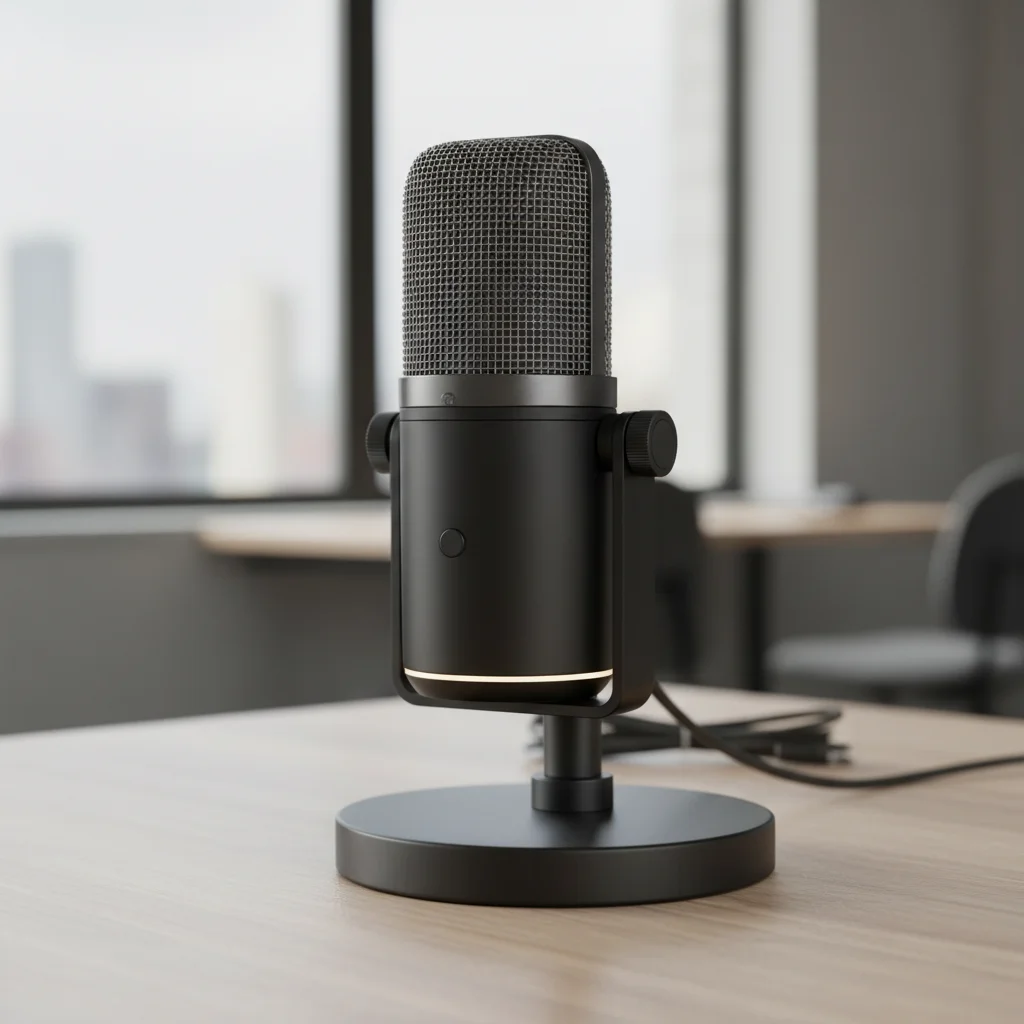
When unboxing the NZXT Capsule Mini for this it review, the first thing that stands out is the surprising density of the unit. Despite its small stature, the microphone feels substantial and premium. NZXT has utilized a mix of high-quality plastics and metal grilles that align perfectly with their PC case aesthetics. The matte finish, available in both black and white, resists fingerprints well and looks sophisticated in a modern desk aesthetics setup. The durability feels reassuring; the weighted stand prevents the microphone from tipping over easily, which is a common issue with lighter competitors like the Razer Seiren Mini. The ergonomics are simple yet effective, with the microphone suspended on a tiltable mount that allows you to angle it towards your mouth. A nice touch is the circular LED ring at the bottom of the capsule, which indicates mute status—turning red when muted and white when active. However, the reliance on a single knob for volume and a click function for muting keeps the design clean but limits immediate physical control over gain.
Features & Technology
Under the hood, the Capsule Mini has impressive specifications for its size. It uses a cardioid polar pattern, which is the industry standard for single-user streaming setups as it focuses on sound directly in front of the mic while rejecting noise from the sides and rear. The sensor captures audio at a 24-bit depth with a 48kHz sampling rate. This higher bit depth allows for a greater dynamic range compared to the 16-bit limitation found in many budget USB microphones, resulting in less digital noise and more room for editing in post-production. Connectivity is handled via a modern USB-C port located on the back, ensuring fast data transfer and compatibility with modern cables. There’s also a 3.5mm headphone jack for zero-latency monitoring, a critical feature for streamers who need to hear themselves in real-time to ensure they aren’t shouting. While it lacks internal shock mounting found in high-end studio gear, the internal design does include a built-in pop filter intended to reduce plosives—those harsh ‘P’ and ‘B’ sounds that can distort audio.
Performance
In terms of raw performance, the it delivers a sound profile that’s warm and radio-friendly right out of the box. in published benchmarks across various gaming scenarios, including frantic communication in Apex Legends and casual chatting in Discord, the voice clarity was consistently high. The cardioid pattern does an excellent job of focusing on the user’s voice, though like most condenser microphones, it’s sensitive enough to pick up mechanical keyboard clicks if the gain is set too high or the keyboard is positioned directly behind the mic. The 24-bit depth shines when you’re speaking at varying volumes; whispers are captured with detail, and sudden shouts don’t clip as harshly as they might on lower-bitrate devices. Latency is virtually non-existent when using the direct monitoring jack, providing an instant feedback loop that helps users self-regulate their volume. However, because the stand is rigid and sits directly on the desk, vibrations from typing or banging on the table can transfer into the audio feed. For optimal performance, a boom arm is highly recommended to isolate the mic from desk resonance.
Comfort & Usability
Usability is the cornerstone of the Capsule Mini’s design philosophy. The setup process is genuinely effortless; Windows recognizes the NZXT Capsule Mini immediately without requiring driver installation for basic functionality. The physical volume knob on the front controls the headphone monitoring volume, which feels smooth and tactile. Pressing the knob in acts as a mute toggle, providing a satisfying click and an immediate visual cue via the LED ring. From an ergonomic standpoint, the compact size allows it to be placed between the user and the keyboard without obstructing the view of the monitor—a massive plus for competitive gamers who sit close to the screen. Adjusting the angle is stiff enough to hold position but loose enough to move with one hand. However, the lack of an onboard gain knob means that if your teammates say you’re too quiet or too loud mid-game, you have to alt-tab to software settings rather than making a quick physical adjustment, which can be a minor annoyance during intense gameplay.
Software & Customization
The Capsule Mini is integrated into the NZXT CAM ecosystem. For those already in the NZXT ecosystem, this is a convenient consolidation of controls. The software interface is clean and user-friendly, allowing you to adjust microphone gain, sidetone (monitoring) volume, and even some basic EQ settings. It’s straightforward and doesn’t overwhelm the user with audio engineering jargon. However, customization is somewhat limited compared to dedicated audio software like Elgato Wave Link. You can’t run complex VST plugins directly through CAM, nor can you create advanced sub-mixes for different audio sources. The software is stable, but some users may find it resource-heavy if they’re only installing it for the microphone. Cloud syncing of profiles is useful if you switch PCs, ensuring your gain settings carry over, but for the most part, this is a set-it-and-forget-it experience.
Technical Specifications Dimensions: 99mm x 185mm x 99mm (with stand)
Weight: 544g (with stand) Polar Pattern: Cardioid Frequency Response: 100Hz - 20kHz Max SPL: 120dB Bit Depth / Sample Rate: 24-bit / 48kHz Connectivity: USB-C to USB-A Headphone Amp: Impedance 16 Ohms, THD < 0.1% Mounting Thread: Female 1/4 inch (includes adapter for 3/8 inch) Price Range: $69.99 MSRP
Pros & Cons Pros:
- Compact, stylish design fits perfectly into any desk aesthetics setup.
- 24-bit audio depth provides professional-grade sound clarity.
- sturdy, weighted base reduces accidental tipping.
- Plug-and-play simplicity with USB-C.
- LED ring provides clear mute indication. Cons:
- No physical gain control knob on the unit.
- Susceptible to desk vibrations without a boom arm.
- NZXT CAM software is required for gain adjustments.
- Single polar pattern limits versatility for round-table podcasts.
Price & Value for Money
Priced around $69.99, the Capsule Mini sits in a competitive sweet spot. It’s slightly more expensive than budget kings like the Razer Seiren Mini ($49.99) but offers better build quality, 24-bit audio, and a headphone jack, which the Seiren lacks. Conversely, it’s cheaper than the full-sized Capsule or premium options like the HyperX QuadCast. For the price, you’re paying for the build materials and the audio resolution. It offers excellent value for gamers who care about how their setup looks as much as how it performs. While you can find similar audio quality in cheaper plastic bodies, the premium feel of the Capsule Mini justifies the extra investment for those building a cohesive, high-end battlestation. It strikes a balance between entry-level functionality and premium aesthetics.
Best Alternatives HyperX
SoloCast: This is the most direct competitor in the mini USB microphone comparison. It’s often found cheaper and features a tap-to-mute sensor which is very convenient. However, its build is entirely plastic and feels less premium than the NZXT, and it lacks 24-bit depth. Razer Seiren Mini: The budget option for pure minimalists. It’s smaller and cheaper but lacks a mute button and a headphone jack entirely. It’s great for strict budgets but less functional for streamers who need monitoring. Elgato Wave Neo: A newer entrant that focuses heavily on software. While the build is different, the Wave Link software offers far superior audio routing and mixing capabilities for streamers, though it often comes at a slightly higher price point or distinct aesthetic.
Who Should Buy It?
Competitive Gamers: The small footprint allows for wide mouse movements without hitting the mic stand, and the clear communication is vital for team games. Streamers with Small Desks: If you lack the space for a massive boom arm or a chunky mic, this fits perfectly under a monitor while delivering broadcast-quality voice. Design Enthusiasts: If you have an NZXT case or a white/black minimalist theme, this microphone completes the look better than almost any other on the market. Users Switching from Headset Mics: This is a massive upgrade in audio quality from any headset microphone, providing a richer, fuller voice tone without breaking the bank.
Final Verdict
After a thorough the NZXT Capsule Mini review, the verdict is clear: this is one of the best microphones for gamers who value a balance of aesthetics and performance. It doesn’t try to be a studio Swiss Army knife with multiple patterns and complex dials. Instead, it focuses on doing one thing extremely well—capturing clear, high-fidelity vocals in a package that looks stunning on camera. While the lack of physical gain control is a minor drawback, the 24-bit audio quality and solid construction make up for it. For anyone building a modern gaming setup in 2025, the Capsule Mini proves that smaller can indeed be better, offering professional sound without the visual clutter. It’s a highly recommended buy for streamers and gamers ready to ditch the headset mic for something more substantial.
FAQ Is the it good for FPS games?
Yes, its compact size means it doesn’t obstruct your view or mouse movement, and the clear audio ensures your teammates hear your callouts instantly. Does the Capsule Mini work with a boom arm? Absolutely. The bottom of the mic unscrews from the stand to reveal a standard thread mounting point, and it comes with an adapter to fit most standard boom arms. How does the noise cancellation perform? It relies on its cardioid pattern to reject background noise. While it doesn’t have active noise cancellation software AI built-in, it naturally blocks out sounds from behind the mic effectively. Is it worth upgrading from the Razer Seiren Mini? If you need a mute button, a headphone jack for monitoring, and better build quality, then yes, the upgrade is justified.