This helps support our work and allows us to continue delivering in-depth, unbiased gaming coverage.
Introduction
PC gaming peripherals, audio often takes a backseat to graphics cards and high-refresh-rate monitors, yet it’s arguably just as critical for immersion and competitive advantage. When upgrading your desktop audio, the two most prominent choices facing gamers today are the sleek, modern soundbar and the traditional, tried-and-true 2.1 speaker system. This comparison helps you understand the nuances of soundbar vs 2.1 speakers gaming setups to ensure your money is spent on the hardware that best fits your playstyle. Soundbars have evolved from living room TV companions to compact, high-tech desktop powerhouses, offering virtual surround sound and simplified cabling. On the other hand, a 2.1 speaker system involves two satellite speakers and a dedicated subwoofer, providing physical stereo separation and raw bass power that many audiophiles prefer. This article targets gamers ranging from competitive FPS players who need pinpoint directional audio to immersive RPG lovers who want cinematic soundscapes. We promise a clear, unbiased breakdown of features, performance, and value to help you decide which audio solution reigns supreme for your battlestation in 2025.
Quick Comparison
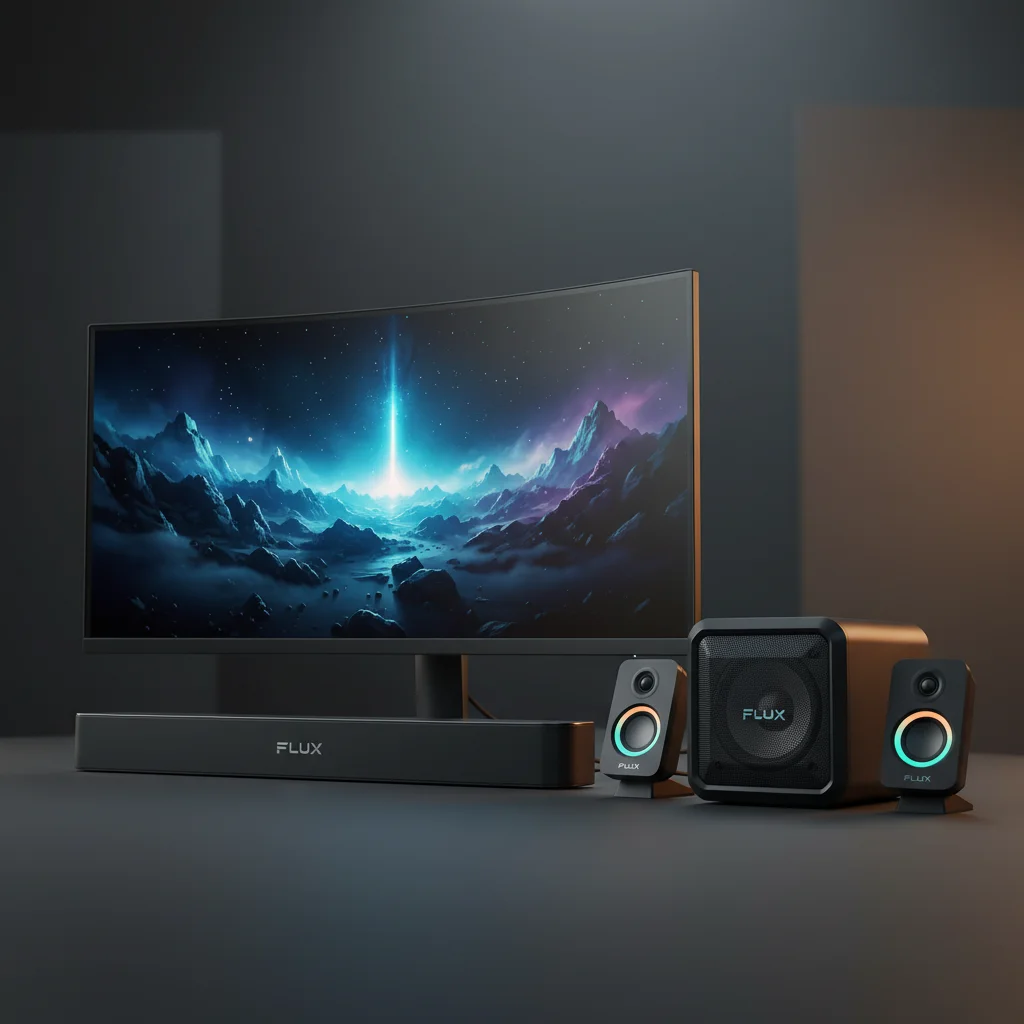
Table Below is a snapshot comparison of the critical specifications you need to consider when looking at high-end soundbars versus 2.1 speaker systems. Type: High-End Gaming Soundbar Dimensions: Compact, elongated single bar (fits under monitor) Weight: 2-5 kg (dense single unit) Connectivity: HDMI ARC, Optical, Bluetooth, USB-C Performance Focus: Virtual Surround (Dolby Atmos), Dialogue Clarity, DSP processing Power Source: Single power cable Price: $200 - $600+ for premium models Type: 2.1 Speaker System Dimensions: Two separate satellites + large subwoofer box Weight: 5-15 kg (combined components) Connectivity: 3.5mm Aux, RCA, USB, Bluetooth (optional) Performance Focus: True Stereo Separation, Physical Bass Impact, Music fidelity Power Source: Multiple cables (Satellites to Sub, Sub to Power) Price: $100 - $500+ for high-end sets
Product Overview: High-End
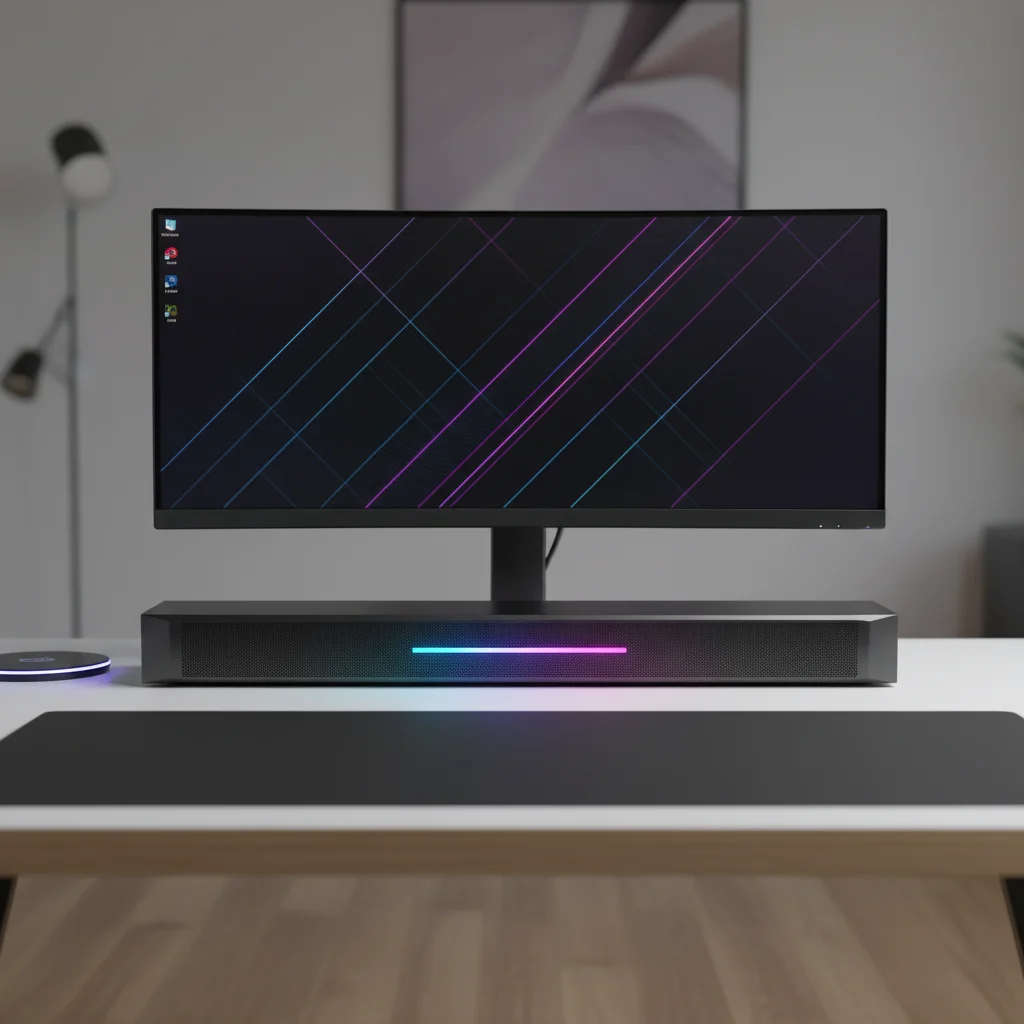
Soundbars High-end gaming soundbars are designed for the modern minimalist who refuses to compromise on audio fidelity. These devices are engineered to sit discreetly beneath a monitor, clearing desk clutter while delivering a surprisingly wide soundstage. Unlike their TV counterparts, gaming-focused soundbars often come equipped with specific EQ modes for different genres, such as FPS or RPG, and feature near-field driver arrangements optimized for a listener sitting just a few feet away. Build quality in this category has seen massive improvements, with premium plastics, metal grilles, and integrated RGB lighting that syncs with your PC ecosystem. The primary performance focus here’s digital signal processing (DSP). By using wall-bouncing technology and psychoacoustics, these soundbars simulate a surround sound environment without the need for rear speakers. They’re best suited for gamers with limited desk space or those who want a clean, cable-free aesthetic without wearing a headset for hours.
Product Overview: 2.1
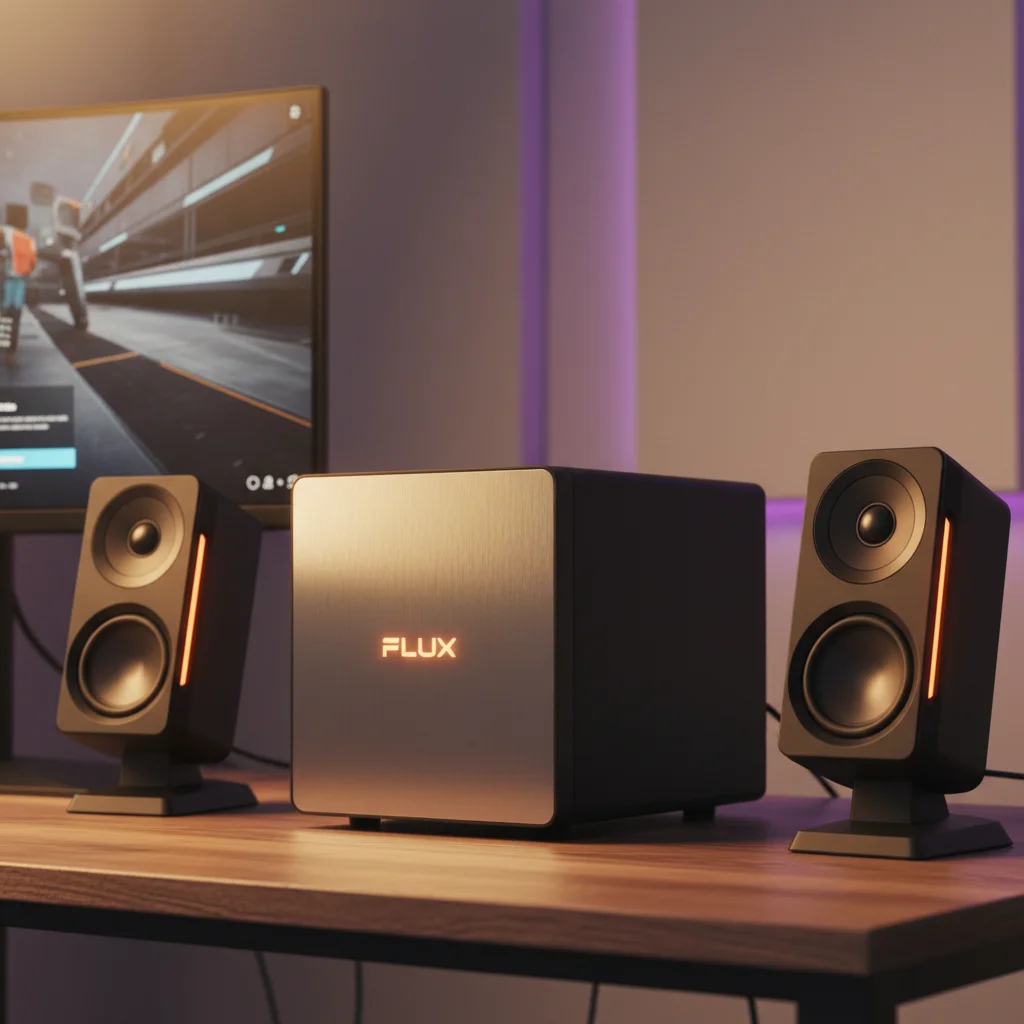
Speaker Systems To understand the competition, we must first answer: What’s a 2.1 speaker system? It’s an audio configuration consisting of two satellite speakers (the ‘2’) responsible for mid and high frequencies, and one dedicated subwoofer (the ‘.1’) that handles low-frequency bass effects. This setup is the traditional gold standard for desktop audio because it physically separates the left and right audio channels, creating a natural stereo image that digital processing struggles to replicate perfectly. These systems are typically built with larger drivers and wood-enclosed subwoofers, offering a warmer, fuller sound profile. The build quality often feels more substantial due to the weight of the magnets and cabinets used. The target audience for 2.1 systems includes audiophiles, music producers who game, and players who crave earth-shaking bass for explosions and atmospheric tension. Their strength lies in raw power and accurate musical reproduction, though their weakness is the significant desk and floor space required to accommodate the components.
Feature-by-Feature Comparison
To truly determine the winner in the high-end soundbar vs 2.1 speaker system for gaming PCs comparison guide, we must dissect the specific elements that contribute to the gaming experience. Both options output sound, but they achieve their goals through vastly different engineering philosophies.
Performance: Audio
Quality & Immersion Performance in gaming audio is measured by clarity, dynamic range, and directional accuracy. 2.1 speaker systems generally hold the advantage in pure audio fidelity and music playback. Because the speakers are physically separated on your desk, they create a ‘sweet spot’ where the left and right channels are distinct. This allows for precise imaging where you can naturally hear a car passing from left to right without software intervention. The dedicated subwoofer also tends to move more air, providing visceral, chest-thumping bass that compact soundbars struggle to match physically. However, High-End Soundbars fight back with advanced technology. Using Dolby Atmos or DTS:X virtualization, a gaming soundbar can create a ‘bubble’ of sound that feels like it wraps around you. For cinematic single-player games, this immersion is incredible. While they may lack the extreme left-right separation of widely spaced speakers, their ability to project dialogue clearly while simulating overhead or rear audio cues makes them formidable for story-driven experiences.
Build Quality & Aesthetics
When considering how to choose between soundbars and 2.1 speaker systems for gaming based on aesthetics, the soundbar is the clear winner for modern setups. A soundbar is a single, unified unit that looks sleek and futuristic. It slides easily under a monitor stand, creating a clean look that’s popular in current battlestation trends. Materials often include brushed aluminum and high-quality mesh. 2.1 systems are bulkier and more intrusive. You need space on the left and right of your monitor for the satellites, and a spot under the desk for the subwoofer box. While high-end speakers can look professional and studio-grade, they inevitably introduce more visual noise to the desktop. Durability is generally high for both, but 2.1 systems often have more exposed parts, such as speaker cones without grilles in some audiophile models, which requires more care.
Comfort & Ergonomics: Setup and
Space Ergonomics in this context refers to the ease of living with the High-End Soundbars. A soundbar offers superior ergonomics for small desks. Setup is usually plug-and-play with a single USB or HDMI cable running to the PC. Volume controls are centralized on the bar or a remote, easy to reach without stretching. Conversely, a 2.1 system requires cable management. You have wires running from the subwoofer to the PC, from the right speaker to the sub, and from the left speaker to the sub. This can lead to a ‘cable spaghetti’ situation behind your desk. Also, finding the optimal position for the subwoofer can be tricky; placing it in a corner might make the bass boomy, while placing it too far away diminishes the impact. If you value a tidy, hassle-free environment, the soundbar scores higher here.
Software & Connectivity
Gaming soundbars are essentially computers in themselves. They often come with solid software suites that allow you to toggle features like ‘Scout Mode’ for amplifying footsteps, customize RGB lighting zones, and adjust equalizers. Connectivity is modern, frequently supporting Bluetooth 5.0 for phone connections, USB-C for PC, and HDMI for consoles, making them versatile hubs. 2.1 systems, especially those leaning towards the audiophile side, are often analog-first devices. While some gaming-specific 2.1 sets include USB connections and software, many high-end options rely on a simple 3.5mm jack or RCA inputs. This means the sound quality is heavily dependent on your PC’s onboard audio or sound card. Customization is often limited to physical bass and treble knobs on the speaker itself, rather than complex software profiles.
Price & Value
In terms of value, the 2.1 system often provides more ‘sound per dollar.’ You can get a very capable 2.1 system with excellent bass and clarity for a lower price than a soundbar with comparable audio performance. Much of the cost in a soundbar goes into the miniaturization of technology, DSP licensing (Dolby/DTS), and aesthetic design. However, if you factor in the need for a dedicated sound card or DAC to get the most out of high-end analog speakers, the price gap narrows. Soundbars are an all-in-one solution that bypasses your PC’s internal audio processing, providing high value for users who want a complete package without buying extra accessories. Long-term value favors the 2.1 system if you prioritize music, as good speakers can last decades, whereas soundbars may become obsolete as virtual surround standards evolve.
Pros & Cons
High-End Soundbar Pros: - Space-saving design fits under monitors. - Advanced virtual surround sound and Dolby Atmos support. - minimal cabling and easy setup. - often includes Bluetooth and multi-device connectivity. High-End Soundbar Cons: - Stereo separation is limited by the width of the bar. - Bass is generally less powerful unless it comes with a separate sub (hybrid models). - Can be more expensive for equivalent audio fidelity. 2.1 Speaker System Pros: - Superior physical stereo separation and imaging. - Dedicated subwoofer delivers deeper, punchier bass. - Better suited for music and critical listening. - Generally better price-to-performance ratio for raw audio. 2.1 Speaker System Cons: - Occupies significant desk and floor space. - Cable management can be difficult and messy. - Lack of digital features like virtual surround on analog models.
Which One Should
You Choose? Making the final call depends heavily on your specific gaming habits. For Competitive FPS Players: A 2.1 Speaker System is often the better choice if you aren’t using headphones. The physical distance between the left and right speakers provides natural directional cues that help you locate enemies. Virtual surround on soundbars can sometimes muddy these precise details with reverb processing. For Immersive Single-Player Gamers: The High-End Soundbar is superior. If you’re playing Cyberpunk 2077 or cinematic RPGs, the room-filling virtual audio and clear dialogue processing create a movie-like experience that draws you into the world. For Content Creators and Streamers: A 2.1 System is recommended for editing video. You need accurate, flat audio representation to know how your content sounds to others, and speakers provide a more neutral reference than the heavy processing of a gaming soundbar. For Dorms and Small Apartments: The Soundbar is the only logical choice. It respects your limited space while delivering audio that’s vastly superior to monitor speakers, without the floor footprint of a subwoofer.
Final Verdict
In the battle of soundbar vs 2.1 speakers gaming setups, there’s no single champion for everyone, but there’s a clear divide in utility. Overall Winner for Immersion and Aesthetics: The High-End Soundbar. It represents the future of desktop audio, offering a sophisticated, clutter-free solution that brings cinematic audio technology to the desktop. It’s the best choice for the majority of gamers who want a clean setup and fun, engaging sound. Overall Winner for Fidelity and Value: The 2.1 Speaker System. If you care about the texture of the sound, music quality, and having physical bass that you can feel, physics wins. No amount of digital processing can fully replicate the air movement of large, separate drivers. The difference is substantial: choose the soundbar for convenience and simulation, or the speakers for accuracy and power.
FAQ
Is a soundbar better for FPS games than speakers? Generally, headphones are best for FPS, but between the two, 2.1 speakers offer more accurate left/right imaging. Soundbars use virtual surround which can sound impressive but may lack the pinpoint accuracy needed for competitive play. Do soundbars have good bass for gaming? Standalone soundbars have weaker bass than 2.1 systems. However, many high-end gaming soundbars now come with a wireless subwoofer, closing the gap significantly. Can I use a TV soundbar for my gaming PC? Yes, but it’s not recommended. TV soundbars are tuned for living rooms and far-field listening. PC gaming soundbars are tuned for near-field listening (sitting close) and have specific connections like USB that TV bars often lack. Is it worth upgrading from cheap speakers to a soundbar? Absolutely. A high-quality soundbar will offer vastly better clarity, volume, and features than budget stereo speakers. It’s a significant upgrade for both gaming and media consumption.