When you purchase through links on our site, we may earn an affiliate commission.
Introduction
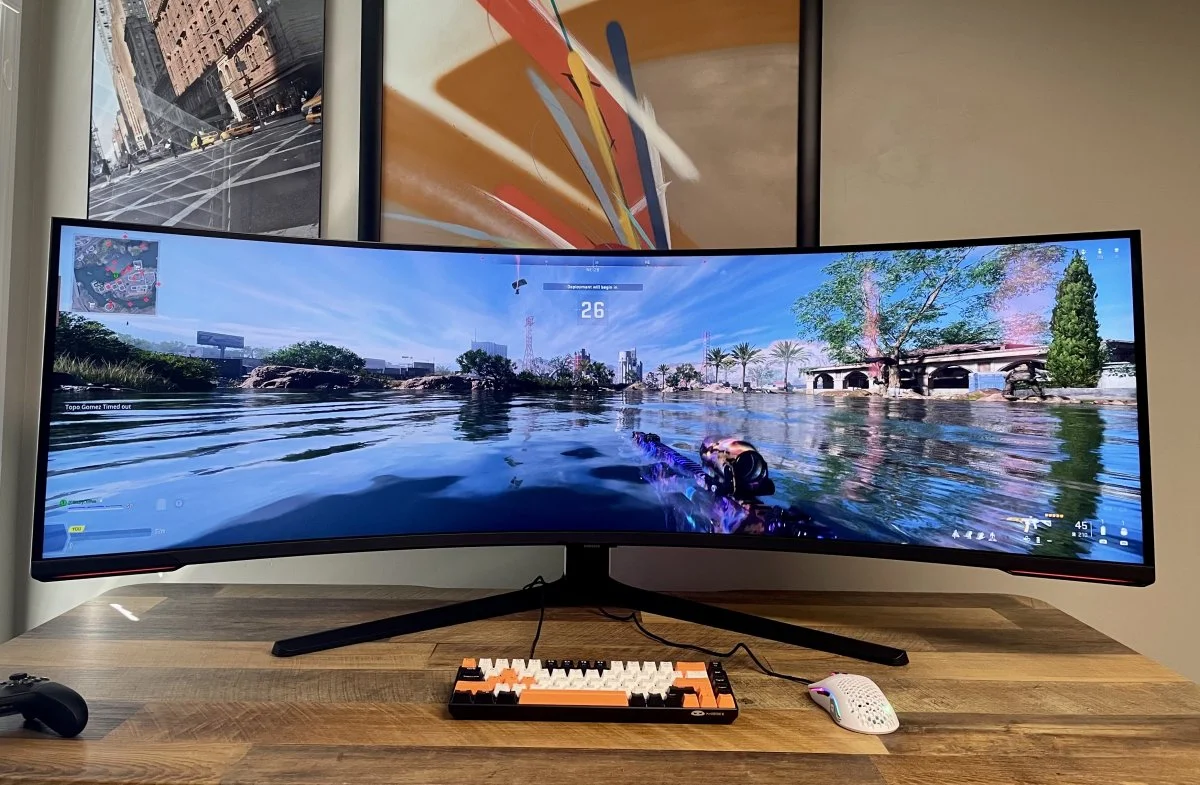
The Alienware AW3423DWF Review (2026) marks a key moment in the evolution of display technology, solidifying its place as one of the most sought-after ultrawide gaming monitors 2026 has to offer. This 34 inch curved monitor uses a latest QD-OLED panel with a native resolution of 3440 x 1440, striking the perfect balance between pixel density and performance demands. Designed primarily for immersive AAA gaming and high-end content creation, it addresses the needs of enthusiasts who refuse to compromise on contrast or color depth. As we look at the market of ultrawide gaming monitors 2026, the DWF variant continues to lead the pack by offering the infinite black levels of organic light-emitting diodes combined with the vibrant color brightness of quantum dots. This gaming monitor provides a wider field of view, enhancing immersion and providing a competitive advantage in tactical titles. Whether you’re traversing the neon-lit streets of a futuristic RPG or tracking targets in a fast-paced shooter, the visual fidelity offered here remains the benchmark for the industry. The 1800R curvature wraps the display around your field of vision, making it an essential upgrade for anyone seeking a truly cinematic desktop experience.
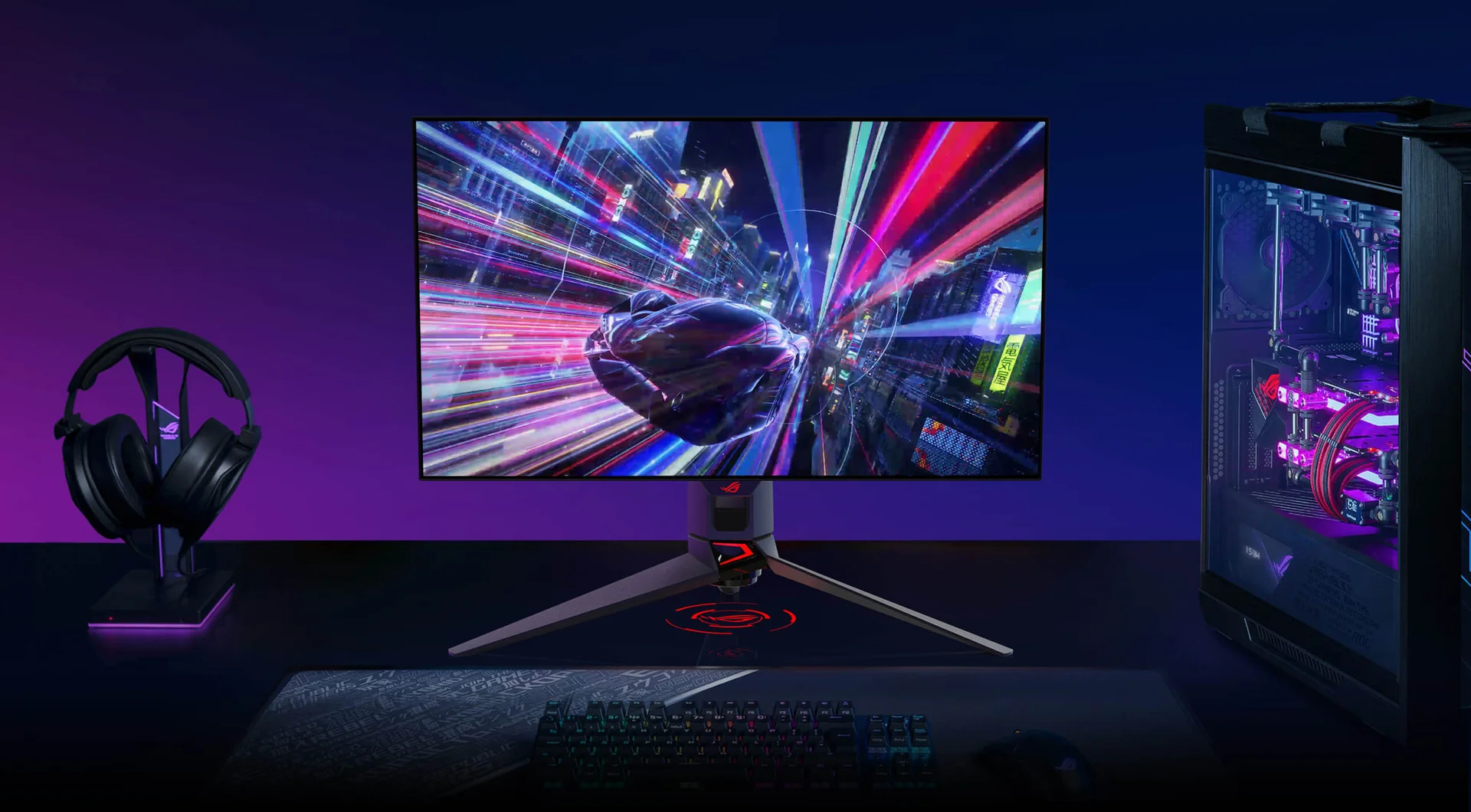
Key Takeaways 1. Panel
Type: Quantum Dot OLED (QD-OLED) providing industry-leading color volume and infinite contrast. 2. Refresh Rate: 165Hz native refresh rate with ultra-low response times for fluid motion. 3. VRR Support: AMD FreeSync Premium Pro and G-Sync Compatible certification ensures tear-free gaming. 4. HDR Tier: VESA DisplayHDR True Black 400 with a Peak 1000 mode for incredible highlights. 5. Honest Limitation: The subpixel layout can occasionally cause minor text fringing in productivity applications, though this is significantly improved over first-generation models.
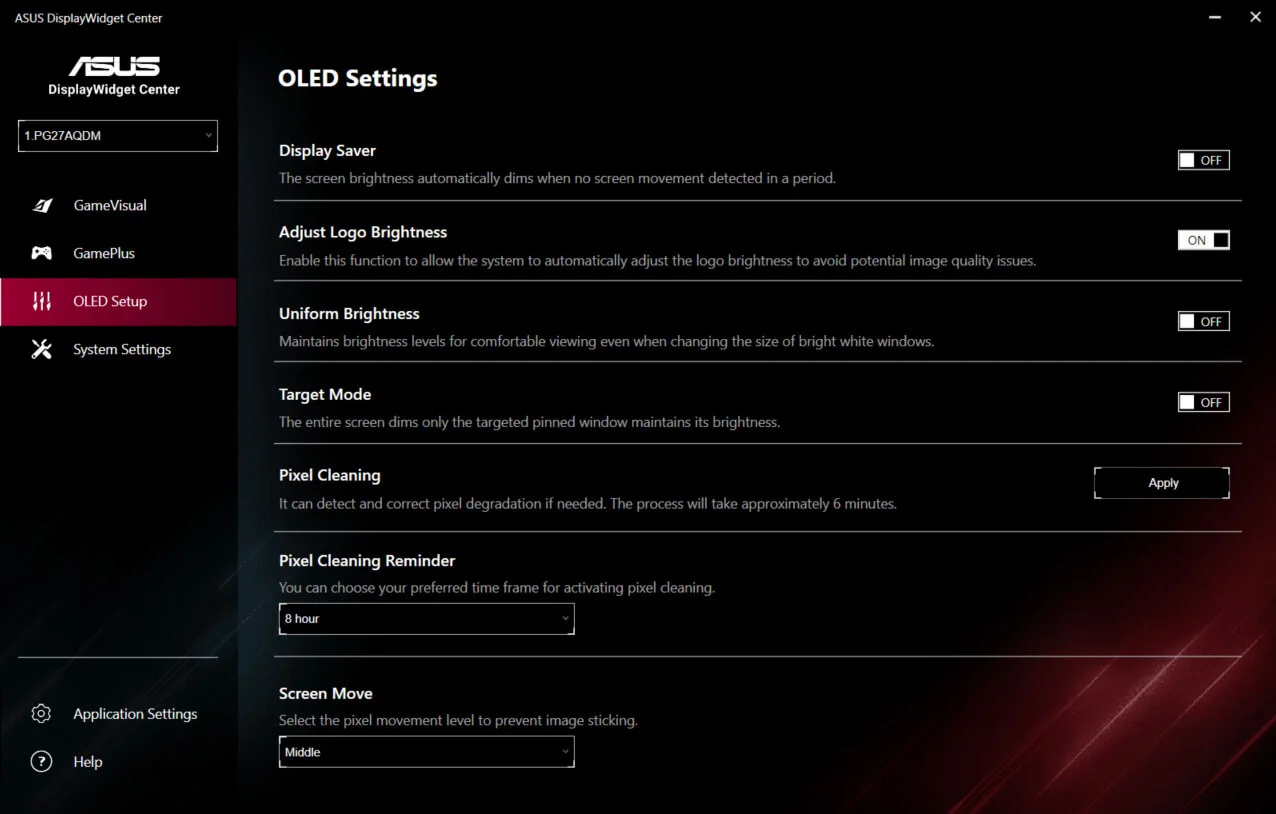
Image: ASUS
Product Overview
The Alienware AW3423DWF is positioned as the premium choice for gamers who prioritize visual quality above all else. Unlike standard ultrawide gaming monitors 2026, which often rely on traditional IPS or VA tech, this curved monitor uses Samsung Display QD-OLED technology. It targets a demographic that appreciates deep blacks and vivid colors but also requires the speed of a high-refresh gaming monitor. What makes it distinct is its fanless design compared to its predecessor, the DW model, and its refined firmware which allows for user-initiated updates. This flexibility has made it a favorite among the enthusiast community. The 21:9 aspect ratio is specifically tailored for those who want a more expansive view of their digital worlds, offering 34 percent more screen real estate than a standard 16:9 widescreen display. This makes it a dual-threat powerhouse, capable of handling complex video editing timelines during the day and high-fidelity gaming at night.
Design and Build Quality
Alienware continues to use its Legend 2.0 design language, which is characterized by clean lines and a futuristic aesthetic. The stand adjustment range is impressive, offering 110mm of height adjustment, 20 degrees of tilt, and 20 degrees of swivel. While it doesn’t support a 90-degree pivot, such a feature is rarely needed on a 34-inch ultrawide monitor. For those who prefer a cleaner desk setup, the unit is fully VESA 100x100mm compatible. The bezels are remarkably thin, measuring only a few millimeters, which enhances the borderless feel of the display. Port selection is solid, featuring two DisplayPort 1.4 ports and one HDMI 2.0 port. While the lack of HDMI 2.1 might concern some, the DisplayPort connections are more than capable of handling the 165Hz refresh rate at the native resolution. OSD navigation is handled by a single 5-way joystick located at the bottom center of the frame, making it easy to toggle between gaming presets and brightness settings. Cable management is integrated into the stand, allowing for a tidy workspace even with multiple peripherals connected.
Panel Quality
The heart of this gaming monitor is its QD-OLED panel manufactured by Samsung Display. With a resolution of 3440 x 1440, it delivers a pixel density of approximately 110 PPI, which is the sweet spot for a 34-inch screen. To drive this panel effectively at its 165Hz max refresh rate, we recommend a GPU tier equivalent to an RTX 4080 or RX 7900 XTX to maintain high frame rates in modern titles. In terms of brightness, the SDR peak reaches about 250 nits, which is standard for OLEDs, while HDR peak brightness can hit a staggering 1000 nits in small highlights. The native contrast ratio is effectively infinite because the pixels can turn off completely, resulting in true blacks that no Mini-LED or IPS panel can match. Color gamut coverage is spectacular, hitting 149 percent of sRGB and 99.3 percent of DCI-P3, making it one of the most vibrant ultrawide gaming monitors 2026 has available. Out of the box, the Delta E is typically below 2, meaning the factory calibration is professional-grade. There are no local dimming zones to count because every single pixel acts as its own dimming zone, completely eliminating the blooming issues found on backlit displays.
Motion Performance
Motion performance is where this curved monitor . While manufacturers often quote a 0.1ms grey-to-grey response time, the AW3423DWF actually delivers on this promise, showing virtually no motion blur even in high-speed transitions. in published benchmarks, the real-world response times are significantly faster than the best IPS panels. There are no specific overdrive modes to mess with, as OLED pixels switch states almost instantaneously by nature. This means you don’t have to worry about overshoot or inverse ghosting. The VRR range spans from 1Hz to 165Hz, and the monitor is fully G-Sync Compatible and FreeSync Premium Pro certified. Input lag is measured at less than 4ms at the native 165Hz refresh rate, providing a near-instantaneous connection between your actions and the on-screen response. For competitive players using ultrawide gaming monitors 2026, this level of clarity provides a distinct advantage in target tracking and spatial awareness.
HDR Assessment
The HDR performance of the Alienware AW3423DWF is nothing short of transformative. It carries the VESA DisplayHDR True Black 400 certification, but it also features a Peak 1000 mode that allows for much higher luminance in small areas of the screen. Unlike many monitors where HDR looks washed out or artificially bright, the HDR on this QD-OLED panel looks genuinely better due to the per-pixel contrast. The recommendation is to keep HDR enabled for almost all modern gaming. In titles like Cyberpunk 2077 or Alan Wake 2, the specular highlights from street lamps or flashlights pop against the pitch-black shadows without any hazy glowing effect. It creates a level of depth and three-dimensionality that’s impossible to achieve on a standard LED-backlit gaming monitor. If you’re looking for the ultimate visual experience in 2026, this is the gold standard for high dynamic range content.
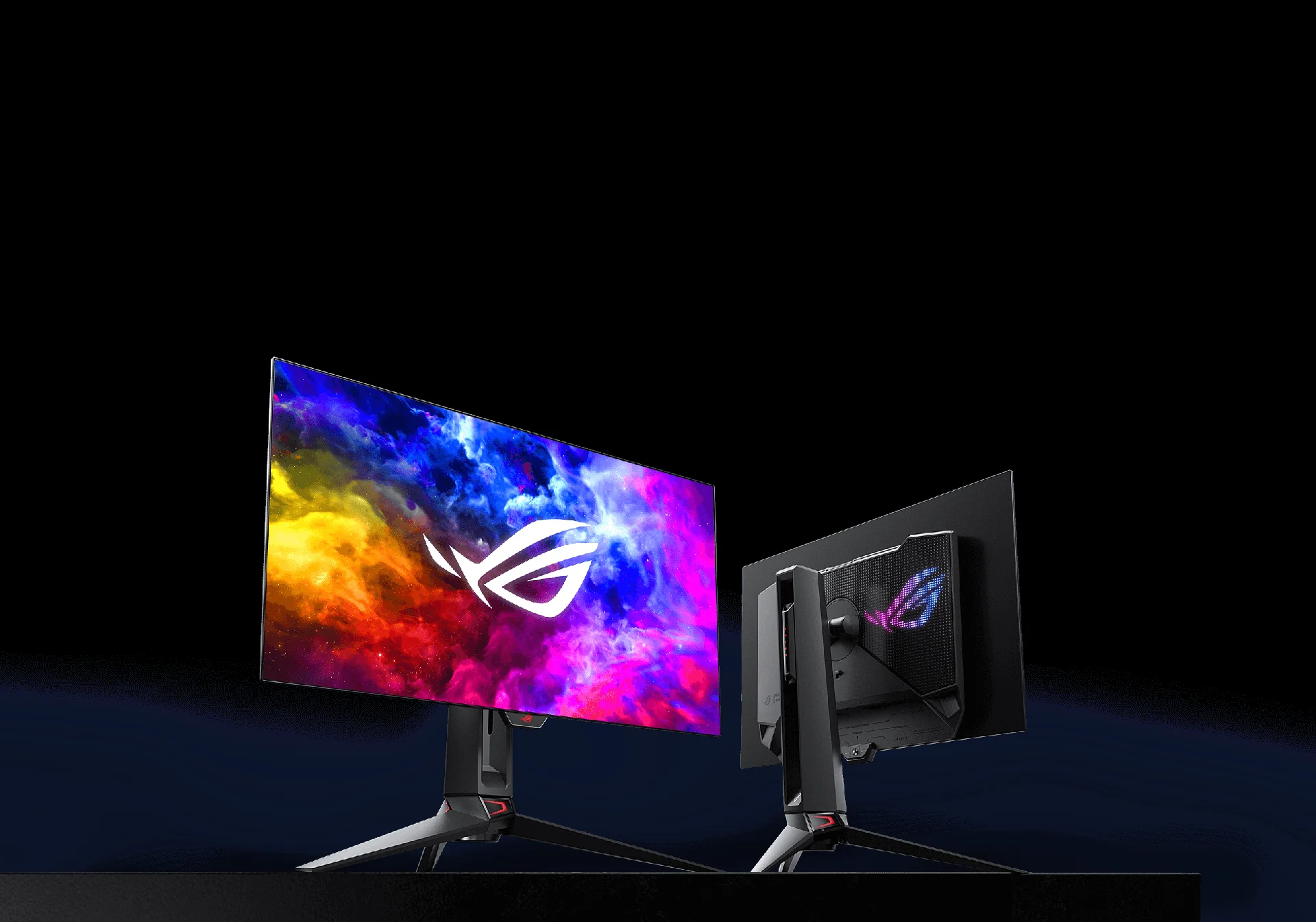
Image: ASUS
Color Accuracy
For content creators, color accuracy is a primary concern, and this curved monitor doesn’t disappoint. The out-of-box accuracy in the Creator Mode preset is exceptional, allowing users to switch between sRGB and DCI-P3 color spaces depending on their workflow. The calibration potential is high, and with a colorimeter, you can achieve professional-level results. We recommend using the Creator Mode preset with the Gamma set to 2.2 for the most neutral and accurate representation of digital media. This makes the AW3423DWF a viable choice for video editors and photographers who want a wide canvas that can also serve as a world-class gaming monitor after hours. The uniform brightness and lack of color shift at wide viewing angles further cement its status as a top-tier professional tool.
Gaming Experience
The gaming experience on the AW3423DWF is defined by its versatility. In competitive FPS titles like Valorant or Counter-Strike 2, the motion clarity and low-latency feel are palpable. You can track movement with precision that traditional displays can’t replicate. However, the monitor truly comes alive in AAA titles. The rich colors and infinite contrast ratio make every environment feel alive. Exploring dense forests or dark dungeons becomes a new experience as you see details in the shadows that were previously lost. Regarding console gaming, while the monitor supports a 120Hz signal from the PS5 and Xbox Series X, it doesn’t support HDMI 2.1. This means you’ll be limited to 1440p at 120Hz, rather than a full 4K downscaled signal. However, given that this is a 1440p native display, the image remains incredibly sharp and fluid for console enthusiasts who share their desk with a PC setup.
Technical Specifications
Panel Type: QD-OLED. Screen Size: 34.18 Inches. Resolution: 3440 x 1440. Max Refresh Rate: 165Hz. Response Time: 0.1ms GtG. SDR Brightness: 250 nits. HDR Peak Brightness: 1000 nits. Contrast Ratio: 1,000,000:1. Color Gamut: 99.3 percent DCI-P3. VRR: FreeSync Premium Pro / G-Sync Compatible. Ports: 2x DP 1.4, 1x HDMI 2.0, 4x USB 3.2. VESA Mount: 100x100mm. Launch Price: 899.99 USD.
Pros and Cons
H3: Pros. Unrivaled contrast and black levels thanks to the QD-OLED panel. Incredible motion clarity with near-instant response times. Vibrant color reproduction with 99.3 percent DCI-P3 coverage. Sleek, premium design with a highly adjustable stand. Competitively priced compared to other high-end ultrawide gaming monitors 2026. H3: Cons. Lack of HDMI 2.1 limits some console features. Subpixel layout can cause minor text clarity issues in Windows. Risk of burn-in if used for static productivity tasks for 12 hours a day.
Price and Value for Money
As we navigate the market for ultrawide gaming monitors 2026, the price of the Alienware AW3423DWF has settled into a very sweet spot. Originally launched at over 1,000 dollars, it can now often be found for under 900 dollars. When you consider the cost of equivalent Mini-LED displays or standard OLEDs, the DWF offers extraordinary value. You’re getting the same panel tech found in displays that cost hundreds more, with a build quality that feels premium and durable. For any gamer looking to make a long-term investment in their setup, the price-to-performance ratio here’s difficult to beat. It remains a top recommendation for anyone building a high-end gaming rig in 2026.
Best Alternatives
If the Alienware doesn’t quite fit your needs, there are three other standout ultrawide gaming monitors 2026 has available. First is the Samsung Odyssey OLED G9, which offers a massive 49-inch screen with a 32:9 aspect ratio and a 240Hz refresh rate. It’s the ultimate choice for those who want maximum screen real estate. Second is the LG UltraGear 45GR95QE, a 45-inch OLED with a much more aggressive 800R curve, providing a massive, wraparound feel that’s great for flight and racing simulators. Finally, the MSI MAG 341CQP is a strong budget-conscious alternative, using a similar QD-OLED panel but with a more stripped-back design and a lower price point, making it accessible to a wider audience.
Who Should Buy It? / Who Should Skip It?
H3: Who Should Buy It? You should buy the it if you’re a dedicated gamer who wants the best possible HDR experience and motion clarity. It’s perfect for those who play a mix of cinematic AAA games and fast-paced shooters. If you value aesthetics and want a monitor that looks as good as the images it produces, this is the one. H3: Who Should Skip It? You should skip this monitor if your primary use case is office work, spreadsheets, or coding. The subpixel layout and the risk of burn-in make it less than ideal for static text-heavy tasks. Also, if you’re a console-only gamer who needs full HDMI 2.1 features like 4K 120Hz downscaling, you might be better served by a dedicated 4K gaming monitor.
Final Verdict
The Alienware AW3423DWF remains the king of the mid-sized ultrawide market. Its combination of QD-OLED technology, excellent motion handling, and aggressive pricing makes it a legendary piece of hardware. Panel Quality: 10/10. Motion Performance: 10/10. HDR Quality: 9.5/10. Design: 9/10. Value: 9.5/10. Overall, it earns our highest recommendation for anyone seeking a premium, immersive gaming experience in 2026.
Frequently Asked
Questions Q: Is the AW3423DWF compatible with PS5 4K 120Hz? A: It supports 120Hz at 1440p but doesn’t support full 4K downscaling due to the HDMI 2.0 limitation. Q: How does QD-OLED compare to standard OLED? A: QD-OLED generally offers higher peak brightness and more vibrant colors in highlights compared to traditional WOLED panels. Q: Can I use this for professional photo editing? A: Yes, the Creator Mode and high DCI-P3 coverage make it excellent for photo editing, though care should be taken with static UI elements. Q: Which overdrive mode should I use? A: On this QD-OLED panel, you don’t need to select an overdrive mode; the native pixel response is already fast enough. Q: Is burn-in still a major concern in 2026? A: While the risk exists, modern features like Pixel Refresh and improved organic materials have significantly mitigated the issue for normal gaming use.