When you purchase through links on our site, we may earn an affiliate commission. This helps support our work and allows us to continue delivering in-depth, unbiased gaming coverage.
Introduction
The market of the gaming hardware industry has shifted dramatically as we approach the end of the year. The latest industry reports concerning GPU market share 2026 indicate a significant trend: NVIDIA is steadily losing ground to AMD in the consumer graphics sector. For years, Team Green held an unshakeable grip on the high-end and mid-range markets, but the fourth quarter of 2026 has introduced a turning point. This shift matters immensely to gamers and tech enthusiasts who have long awaited a more competitive environment to drive innovation and lower prices. While casual observers might be busy searching for lifestyle tips like how to boil shrimp perfectly, the tech world is laser-focused on this massive disruption in silicon dominance. The data released by major market analysts this week highlights that AMD’s aggressive pricing strategy and the successful launch of the RDNA 5 architecture have finally chipped away at NVIDIA’s fortress.
Key Highlights of the
Announcement The report provides several critical takeaways that summarize the current state of the graphics card wars. First, AMD’s market share in the dedicated desktop GPU segment has risen by 12 percent year-over-year, the largest gain in a decade. Second, NVIDIA’s sales volume in the mid-range segment, specifically the RTX 6060 tier, has seen a noticeable decline due to perceived poor price-to-performance ratios. Third, the new AMD Radeon RX 9000 series is reportedly outselling competing GeForce cards in Europe and Asia. Finally, the report suggests that availability is stabilizing, with AMD keeping stock levels high while NVIDIA faces supply chain constraints on their AI-focused manufacturing lines. This section gives readers a fast summary of the market upheaval.
Detailed Breakdown
To understand why the GPU market share 2026 data looks the way it does, we must dive deeper into the technical and strategic decisions made by both companies. The shift is not accidental but the result of specific engineering leaps and consumer-friendly moves by AMD.
New Features or
Improvements AMD’s RDNA 5 architecture has introduced a chiplet design across the entire stack, not just the high-end models. This modular approach has allowed them to slash manufacturing costs and pass those savings to the gamer. In contrast, NVIDIA has doubled down on monolithic dies for their gaming cards, which remain expensive to produce. Also, AMD’s new FSR 5 (FidelityFX Super Resolution) has achieved parity with DLSS in image quality, neutralizing one of NVIDIA’s biggest selling points.
Performance
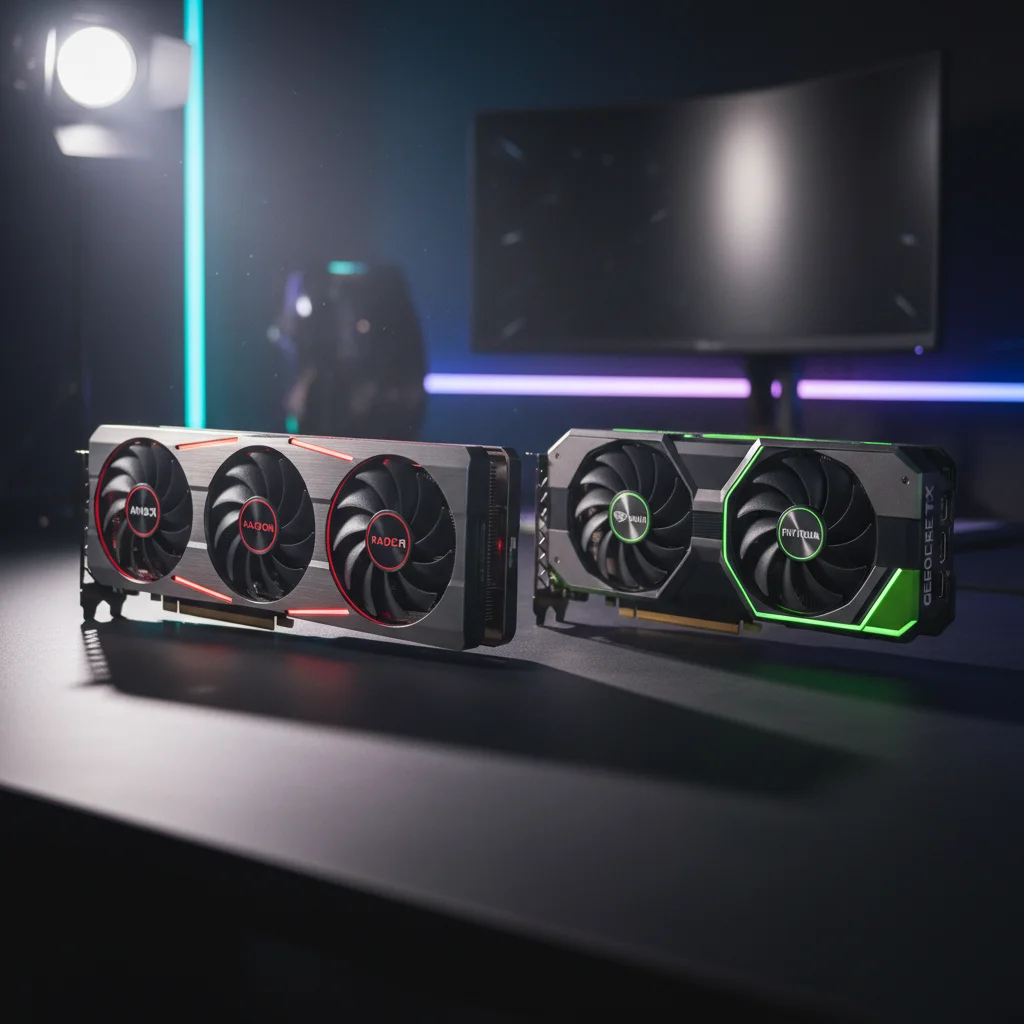
Expectations Benchmarks from early Q4 show that the Radeon RX 9900 XTX matches the RTX 6090 in rasterization and trails by only 5 percent in ray tracing, a gap that was previously much wider. What’s most impressive is the thermal management. Managing the heat of these massive cards is a precise science, far more complex than simple tasks like learning how to boil shrimp. AMD’s engineers have optimized the thermal paste application and vapor chamber designs, ensuring that the cards maintain peak boost clocks without thermal throttling, a complaint that has plagued recent NVIDIA Founders Edition cards.
Design & Build
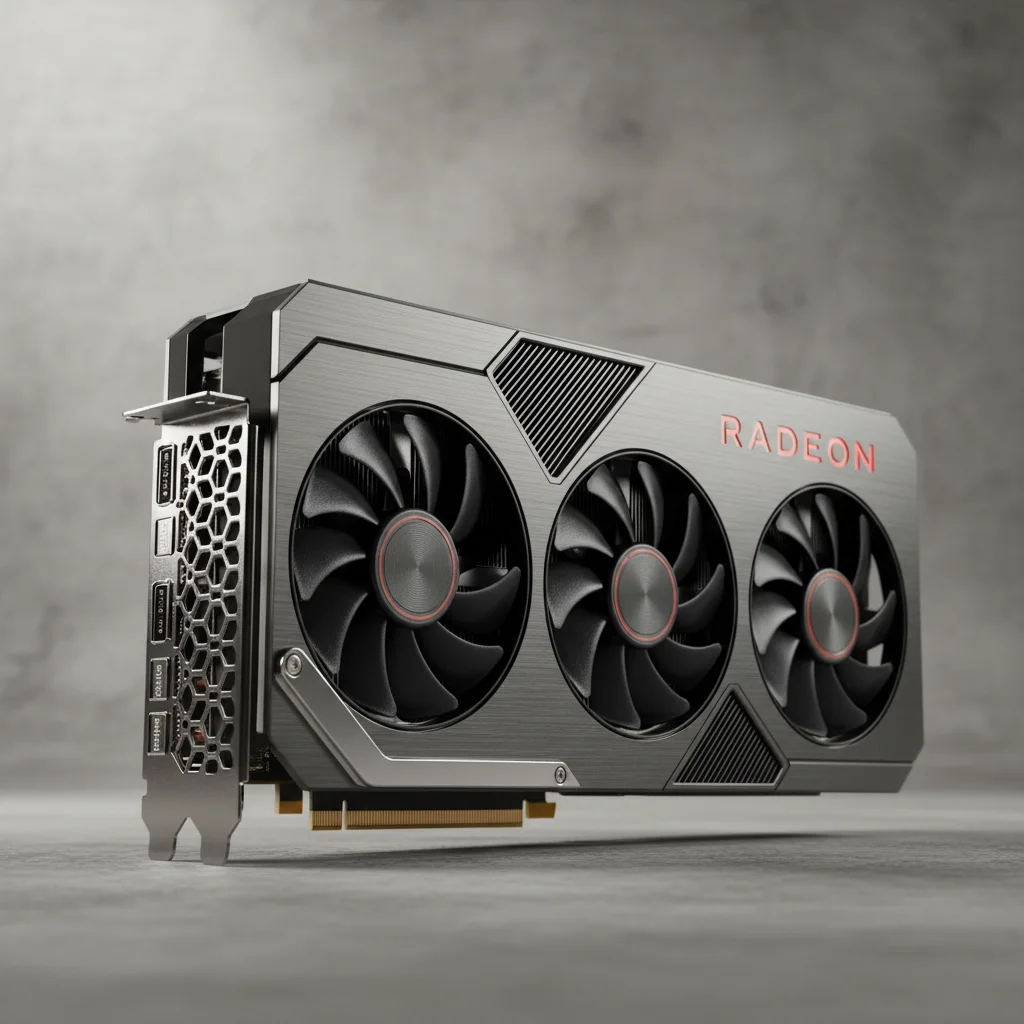
Changes Durability has become a central theme for hardware in 2026. Users are keeping their components longer, and the build quality reflects this. AMD reference cards now feature a reinforced alloy backplate and anti-sag brackets as standard. The focus on longevity is evident; just as a builder must know how to protect lumber from rotting to ensure a structure stands the test of time, AMD has treated their PCB materials with anti-corrosive coatings to prevent humidity damage in tropical climates. This attention to physical endurance is winning over system integrators who want to minimize warranty returns.
Software & Compatibility
On the software front, the Adrenalin software suite has seen a massive overhaul. The integration with Windows 12 DirectStorage API is now smooth, offering near-instant load times in supported titles. While NVIDIA drivers remain stable, their required login for basic features continues to alienate privacy-focused users, driving more traffic toward the open ecosystem AMD promotes.
Pricing, Release
Date & Availability The most influential factor in the GPU market share 2026 shift is undoubtedly pricing. NVIDIA’s flagship cards have reached price points that alienate the average enthusiast. Building a full PC with an RTX 6090 Ti now requires a budget comparable to asking how much does an interior designer cost for a luxury room renovation. In contrast, AMD has positioned their flagship RX 9900 XTX at a significantly lower price point, undercutting the competition by nearly 400 dollars. The cards are available immediately across major global retailers, with no artificial scarcity or lottery systems required to buy one. This availability has allowed AMD to capture the holiday sales rush while NVIDIA stock remains sporadic.
Brand Statements or
Official Notes In response to the market analysis, NVIDIA representatives emphasized their focus on AI and deep learning, stating that their GPUs offer value beyond gaming, specifically for content creators and researchers. They maintain that the GeForce platform offers an ecosystem that competitors can’t match. Conversely, AMD’s CEO issued a statement celebrating the milestone, reaffirming their commitment to ‘gamers first’ and promising continued support for open-source development standards that benefit the entire industry, not just those with the deepest pockets.
Expert Analysis
Industry experts believe this trend is a correction long overdue. For too long, the premium segment was uncontested, allowing prices to balloon. Analysts suggest that unless NVIDIA releases a ‘Super’ refresh with adjusted pricing in early 2027, the GPU market share 2026 trend will continue into the next year. The consensus is that while NVIDIA wins on raw theoretical performance in AI workloads, AMD has won the battle for the living room and the gaming desk. The complexity of modern rendering techniques usually favors the incumbent, but AMD’s persistence with chiplet technology is finally paying dividends.
Comparison to
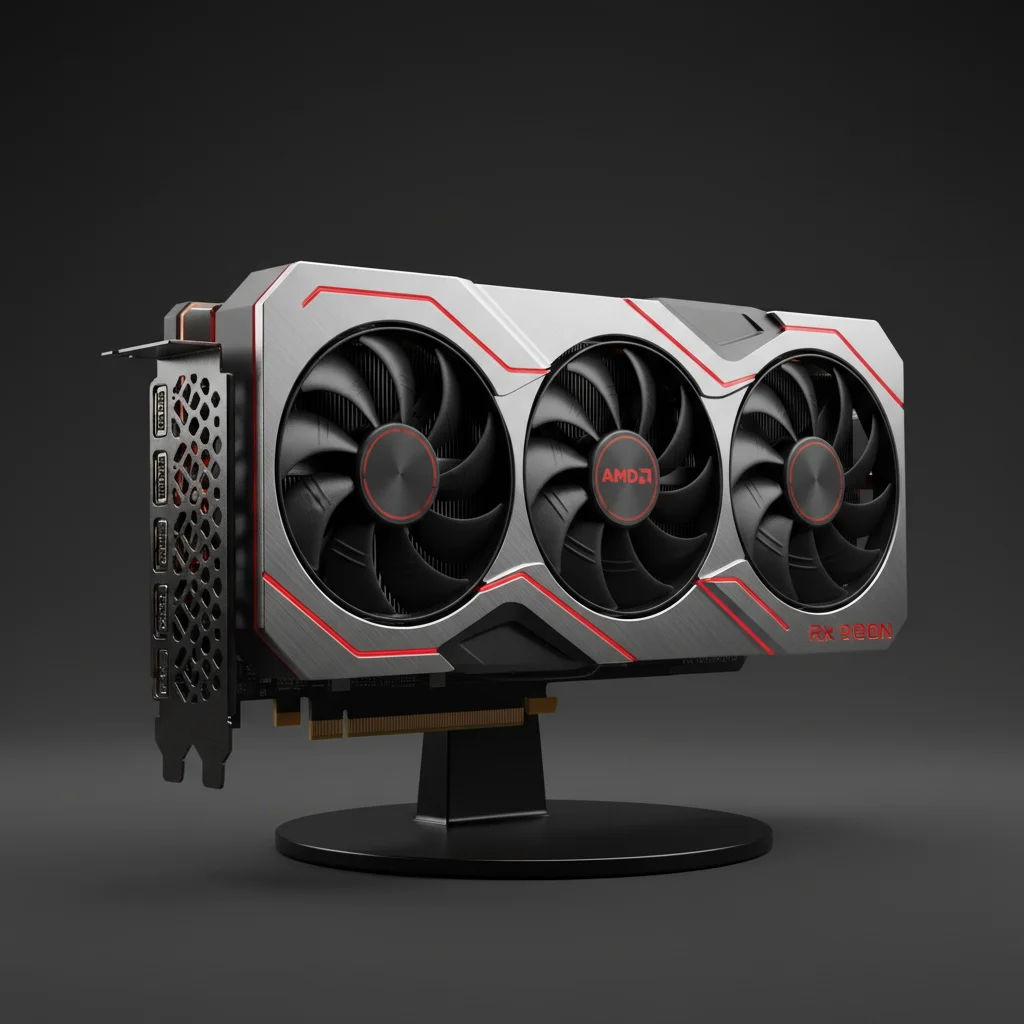
Competitors When comparing the RTX 6080 to the RX 9800 XT, the differences are stark. The NVIDIA card consumes 350 watts and requires a proprietary power connector that has seen safety revisions. The AMD counterpart consumes 280 watts and uses standard 8-pin connectors, appealing to users upgrading older power supplies. Also, in terms of software upscaling, the gap has closed. The visual difference between DLSS and FSR is now negligible at 4K resolutions, removing the ‘NVIDIA tax’ justification for many buyers.
Expected Impact on the Gaming
Community This shift in market share is excellent news for competitive gamers and PC builders. Increased competition inevitably leads to better prices and faster innovation. Streamers who previously felt locked into the NVIDIA ecosystem for the NVENC encoder now find that AMD’s AV2 encoder offers identical quality at lower bitrates. For the casual player, it means that high-fidelity 4K gaming is accessible without taking out a loan. The dominance of the GPU market share 2026 by a single player is ending, fostering a healthier ecosystem for everyone involved.
Related Deals
With the release of the new statistics and the holiday season approaching, retailers are aggressively discounting older stock. The Radeon RX 7000 and 8000 series are seeing clearance prices that make them incredible bargains for budget builds. Users looking to upgrade should monitor major retailers for bundles that include game passes or peripheral discounts, as AMD is aggressively pushing to clear inventory before the full 2027 lineup arrives.
FAQs Q: When will NVIDIA respond to the market share loss?
A: Rumors suggest a price cut or ‘Super’ refresh in Q1 2027. Q: Is the AMD RDNA 5 good for productivity? A: Yes, significant updates to ROCm software have made them viable for professional workloads. Q: Why is the GPU market share 2026 changing so fast? A: High pricing from NVIDIA and a successful, efficient architecture launch from AMD driven the change. Q: Will prices drop further? A: Likely yes, as competition heats up, both manufacturers may engage in a price war.
Final Thoughts
The GPU market share 2026 report serves as a wake-up call to the industry. It proves that brand loyalty has limits and that performance-per-dollar remains the ultimate metric for consumers. While some may struggle with mundane questions like how to protect lumber from rotting or finding the right contractor, gamers have a clear path forward: more performance for less money. AMD’s resurgence ensures that NVIDIA can’t rest on its laurels, and the ultimate winner in this clash of titans is the consumer. As we move into 2027, all eyes will be on NVIDIA’s counter-move, but for now, the momentum belongs firmly to the Red Team.