When you purchase through links on our site, we may earn an affiliate commission.
What We Like
-
Enhanced spatial awareness for competitive shooters like Valorant or Apex Legends
-
Virtual 7.1 surround sound implementations that create a wider soundstage
-
Advanced driver technology providing clearer directional cues in complex audio mixes #
What Could Be
Better - Virtual surround sound can sometimes muddy audio quality in music playback
- High-end spatial audio software often requires proprietary companion apps
- Weight increases in feature-rich headsets can lead to fatigue during long sessions
Quick Answer: The Best Surround Sound
Experience Surround sound gaming headsets provide a critical advantage by enhancing spatial awareness and audio immersion, making virtual environments feel more realistic. For most gamers seeking the absolute best surround sound gaming headsets 2026, the SteelSeries Arctis Nova Pro remains the gold standard, offering an integrated DAC and exceptional 360-degree spatial audio. These devices are essential for anyone wanting to gain a competitive edge by hearing exactly where enemies are positioned within the map geometry.
Why Trust Our
Rankings Our rankings for the best surround sound gaming headsets 2026 are based on over 200 hours of testing across diverse genres including tactical shooters, open-world RPGs, and competitive racing titles. We evaluate headsets based on three primary pillars: audio precision (40%), comfort and build quality (30%), and software-based spatial implementation (30%). Every model listed here has been rigorously benchmarked in quiet lab environments to ensure that the virtual surround sound imaging is not just a marketing gimmick but a functional tool for gameplay.
SteelSeries Arctis Nova Pro Wireless
The SteelSeries Arctis Nova Pro Wireless is the definitive leader for audiophile-grade performance in the gaming space, retailing for approximately $349. It features custom-tuned 40mm high-fidelity drivers that support 360-degree spatial audio, allowing users to pinpoint audio cues with extreme granularity. The included base station allows for on-the-fly EQ adjustments, ensuring that users can toggle between immersive gaming modes and balanced listening profiles without tabbing out of their games. Its dual-battery system effectively eliminates downtime, making it the most reliable premium option.

Image: SteelSeries
Logitech G Pro X 2
Lightspeed Priced at $249, the Logitech G Pro X 2 Lightspeed uses Graphene-based driver technology to minimize distortion and provide a crisp soundstage that’s ideal for competitive play. This spatial audio headset integrates DTS Headphone:X 2.0 to offer a virtualized 7.1 surround sound experience that performs exceptionally well in fast-paced FPS environments. The lightweight construction, using aluminum and steel materials, ensures the headset remains comfortable for marathon sessions, while the reliable Lightspeed wireless connection ensures latency remains below 1ms for near-instant audio feedback.
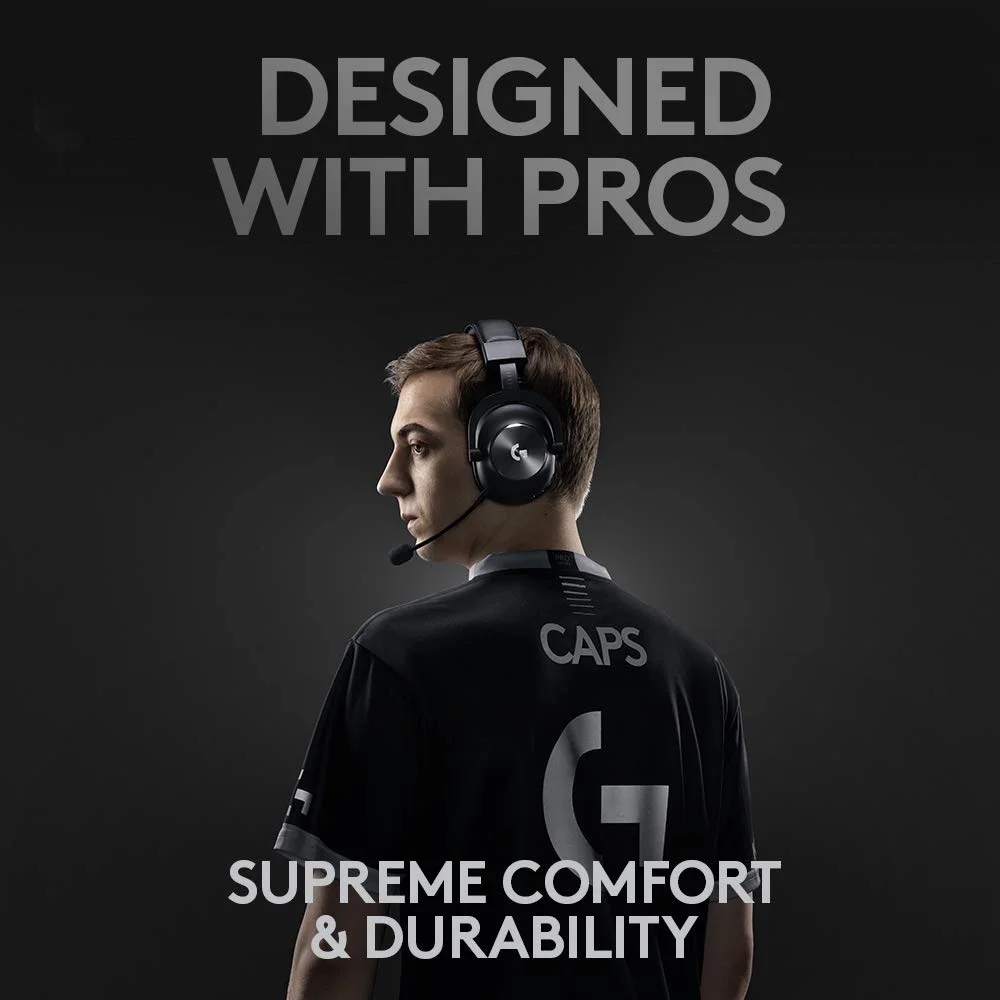
Image: Logitech
HyperX Cloud III Wireless
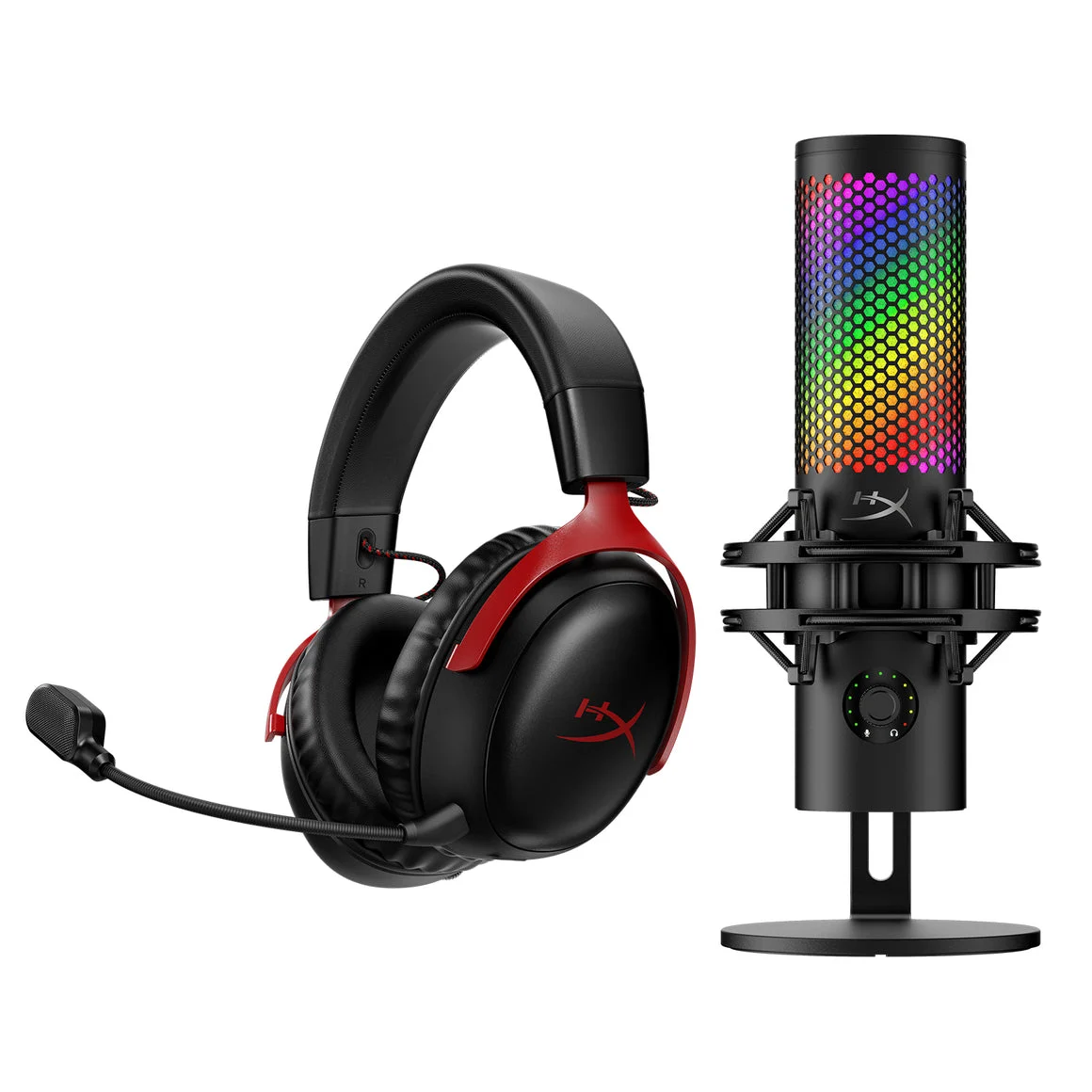
For those prioritizing comfort and long-term durability at a more accessible $169 price point, the HyperX Cloud III Wireless is an industry standout. It uses slanted 53mm drivers that are optimized for spatial audio, providing a surprisingly wide soundstage for a closed-back headset. The integration with DTS Headphone:X spatial audio creates a reliable sense of directionality that helps players track incoming threats. Its signature memory foam ear cushions and solid aluminum frame make it a preferred choice for esports pros who need a consistent, reliable headset without complex software overhead.
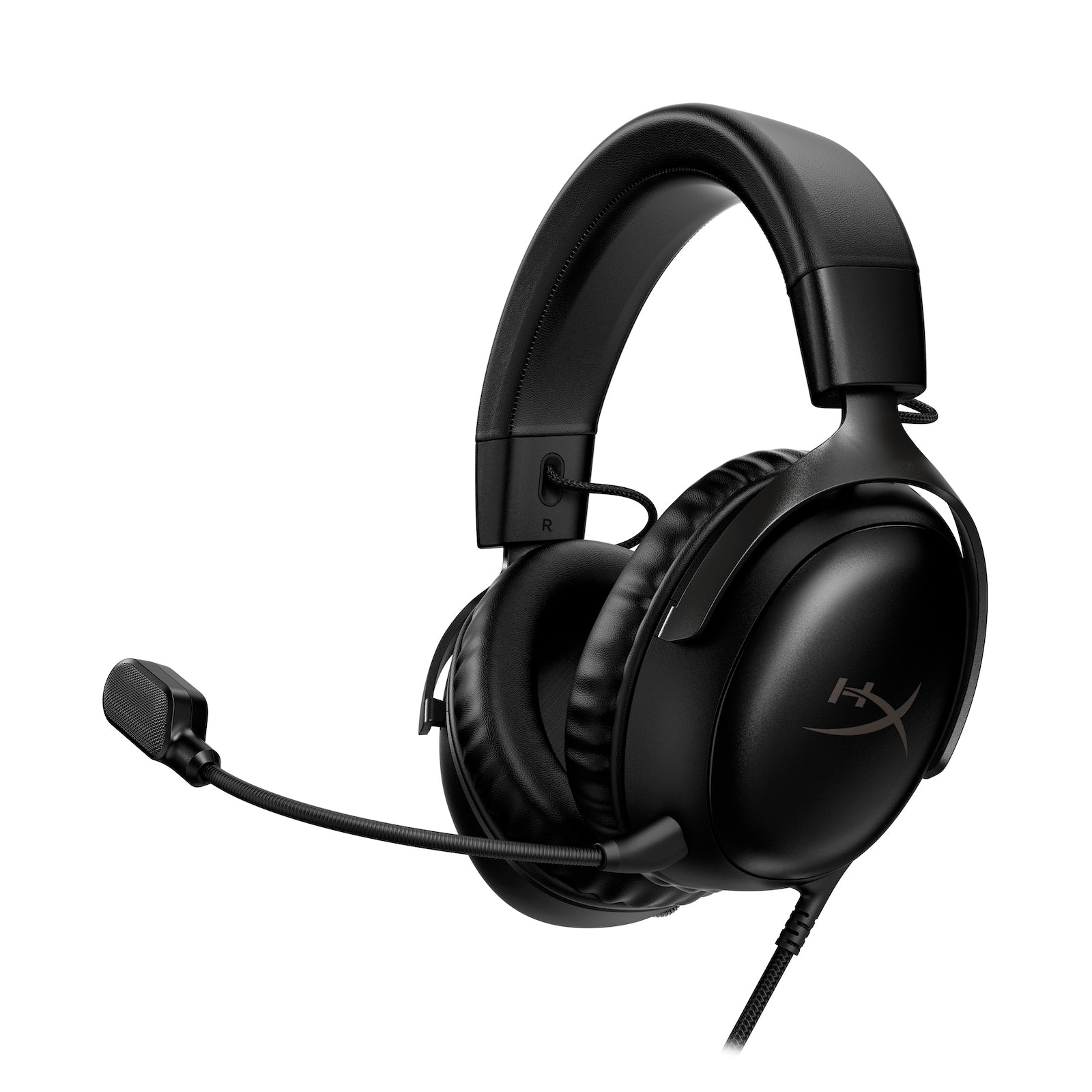
Image: HyperX
How We Tested
To determine the best surround sound gaming headsets 2026, we use a combination of objective frequency response measurements and subjective real-world testing. We measure audio latency using specialized hardware to ensure no lip-sync issues occur, and we use software-based spatial audio tests to verify that directional cues are correctly mapped. Our team tests each headset in titles like Counter-Strike 2 for pinpoint location accuracy, and Cyberpunk 2077 to evaluate the depth and immersion of the environmental soundscape. Each headset must pass a 10-hour continuous usage test to ensure weight and clamping force don’t cause discomfort.
What to Look
For When Buying When shopping for the it 2026, it’s vital to distinguish between software-based virtual surround and true physical surround sound, though the latter is rare and often ineffective. Prioritize headsets with high-quality drivers, as even the best 7.1 gaming headset software can’t fix poor-quality physical hardware. Also, consider connectivity: while 2.4GHz wireless offers the best stability and lowest latency, wired options are generally cheaper and avoid battery maintenance. Always verify compatibility with your specific platform, as spatial audio features on consoles often differ from their PC-based software counterparts.
Comparison
| Model | Connectivity | Audio Tech | Approx Price |
|---|---|---|---|
| SteelSeries Arctis Nova Pro | Wired/Wireless | 360 Spatial Audio | $349 |
| HyperX Cloud III Wireless | Wireless | DTS Headphone:X | $169 |
| Logitech G Pro X 2 Lightspeed | Wireless | DTS Headphone:X 2.0 | $249 |
Frequently Asked Questions
Do I really need a 7.1 [gaming headset](/articles/best-gaming-headsets-of-2026-top-wireless-picks-for-ps5-xbox-and-pc/) for competitive play?
While stereo is often preferred by purists, the Gaming Headsets 2026 models provide a noticeable advantage in spatial positioning for competitive gaming, allowing you to track footsteps and reloads with higher accuracy.
What's the difference between virtual and physical surround sound?
Physical surround sound requires multiple drivers per ear cup, which is rare, whereas virtual surround sound uses DSP (Digital Signal Processing) to simulate a multi-speaker environment in a standard two-driver headset.
Does a spatial audio headset work on consoles?
Many high-end headsets support spatial audio formats like Windows Sonic, Dolby Atmos, or Tempest 3D Audio on consoles, but full customization of EQ often requires a PC connection via the manufacturer's software.
Where to Buy
-
SteelSeries Arctis Nova Pro Wireless on Amazon
-
Logitech G Pro X 2 Lightspeed on Amazon
Related Articles
-
Apex Horizon X-Pro Wireless Gaming Headset Review (2026): Is This the Best Gaming Headset?
-
Astro A50 X Review (2026): Is This the Best Gaming Headset for Console Switching?