When you purchase through links on our site, we may earn an affiliate commission.
Best SSDs for
Gaming in 2026: NVMe and SATA Solid State Drives Compared Switching to an SSD from a traditional hard drive dramatically reduces loading times and improves overall system responsiveness. In the current market of 2026, finding the best ssd for gaming 2026 is no longer just about capacity; it’s about finding the right balance between raw throughput and sustained performance. Modern titles now use technologies like DirectStorage to stream assets directly from your solid state drive to the GPU, making the choice of hardware more critical than ever before. Whether you’re building a latest PCIe Gen 5 rig or looking to extend the life of an older system with a reliable SATA SSD, understanding the nuances of storage technology is the first step toward a smooth gaming experience. This guide will compare the leading nvme ssd options and legacy sata ssd models to help you make an informed decision for your gaming setup.

Image: Samsung
Key Takeaways
The Samsung 990 Pro remains the gold standard for PCIe 4.0 reliability, offering sequential read speeds of up to 7450 MB/s. For enthusiasts demanding the absolute peak of 2026 technology, the Crucial T705 PCIe 5.0 NVMe SSD dominates with staggering speeds of 14500 MB/s, though it requires a massive heatsink to prevent thermal throttling. The WD_BLACK SN850X continues to be a top-tier choice for gamers due to its specialized Game Mode 2.0 firmware which optimizes loading for DirectStorage titles. Most users will find that a high-capacity 2TB or 4TB drive is the sweet spot for value, as 1TB drives are becoming cramped by modern 200GB game installs. A notable limitation for the fastest Gen 5 drives is their high price floor, often costing double the price per gigabyte compared to established Gen 4 models.
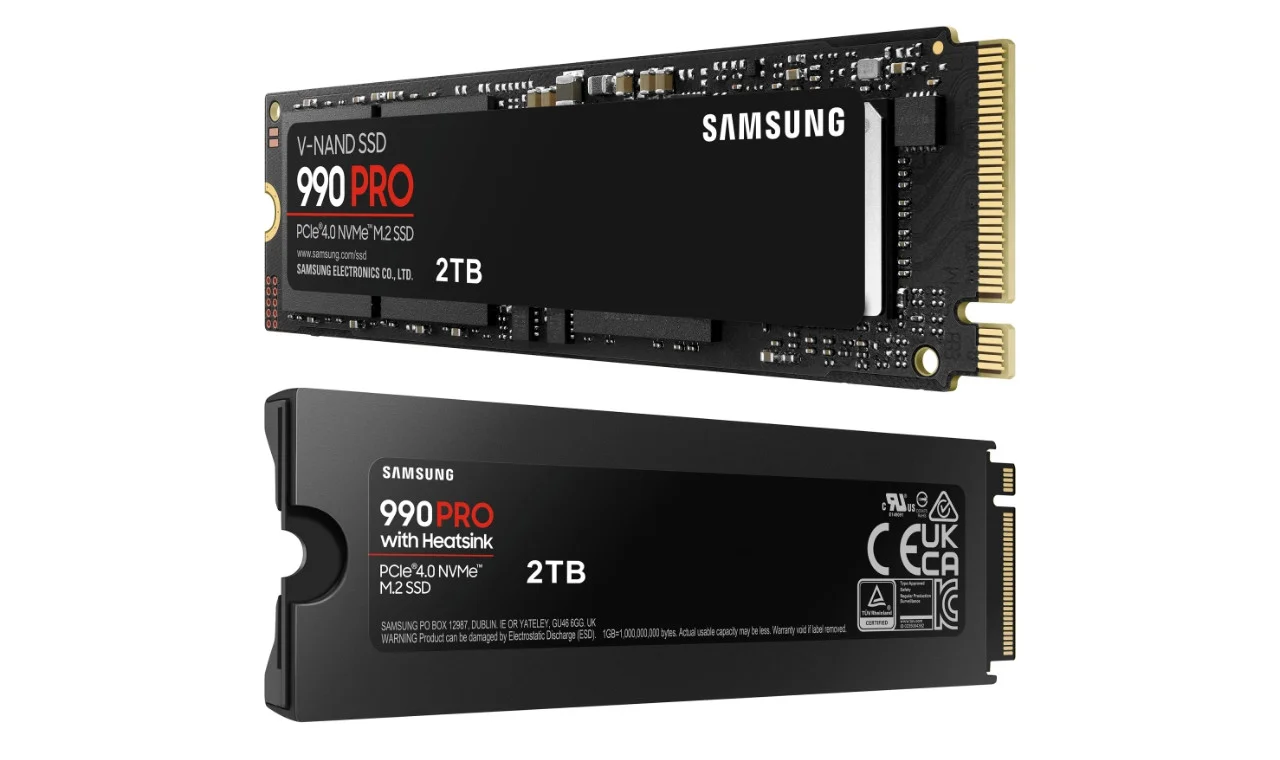
Image: Samsung
Product Overview
The storage market in 2026 is divided into three primary tiers. At the top sits the Gen 5 nvme ssd, represented by beasts like the Crucial T705, which targets extreme enthusiasts and content creators who also game. Below that’s the mature Gen 4 nvme ssd market, led by the Samsung 990 Pro and WD_BLACK SN850X, which provide the best balance of price and performance for 95 percent of gamers. Finally, the sata ssd category, featuring the Samsung 870 EVO, serves as the ultimate high-capacity secondary storage for massive game libraries. Significant improvements over previous generations include higher NAND layer counts (reaching up to 232 layers), improved power efficiency, and more solid thermal controllers that allow these drives to maintain peak speeds longer without overheating. These drives are designed specifically to eliminate the bottleneck between your processor and your game data.

Image: Crucial
Design and Build Quality
Physical design has become increasingly important as speeds have increased. Most top-tier NVMe drives now come with optional integrated heatsinks made of high-grade aluminum or even copper. For instance, the Samsung 990 Pro with Heatsink features a slim design that fits easily into the PlayStation 5 as well as crowded PC motherboards. The aesthetic often includes sleek black finishes and, in some cases, customizable RGB lighting that can be synced with your system. Build quality is generally exceptional across major brands, with components mounted on multi-layer PCBs that resist bending and heat damage. SATA drives maintain the classic 2.5-inch form factor with metal or hardened plastic shells, protecting the internal NAND from physical impact. The weakness in design typically lies in the thermal solutions of cheaper Gen 5 drives, which can be bulky and interfere with large GPU backplates.
Features and
Technology The technology inside a modern solid state drive is highly complex. The move to NVMe (Non-Volatile Memory Express) has replaced the old AHCI protocol used by SATA, allowing for much lower latency and higher IOPS (Input Output Operations Per Second). Most high-end drives in 2026 use TLC (Triple-Level Cell) NAND, which offers a better balance of longevity and speed compared to cheaper QLC (Quad-Level Cell) alternatives. Controller technology has also evolved; for example, the Phison E26 controller found in many Gen 5 drives uses a dual-CPU architecture to manage data flow more efficiently. Proprietary technologies like Samsung s TurboWrite 2.0 and Western Digital s Game Mode 2.0 use sophisticated caching algorithms to ensure that even when the drive is near full capacity, gaming performance doesn’t drop. DirectStorage 1.2 support is now a standard requirement for any drive claiming to be the best ssd for gaming 2026, enabling GPU-side decompression of game assets.
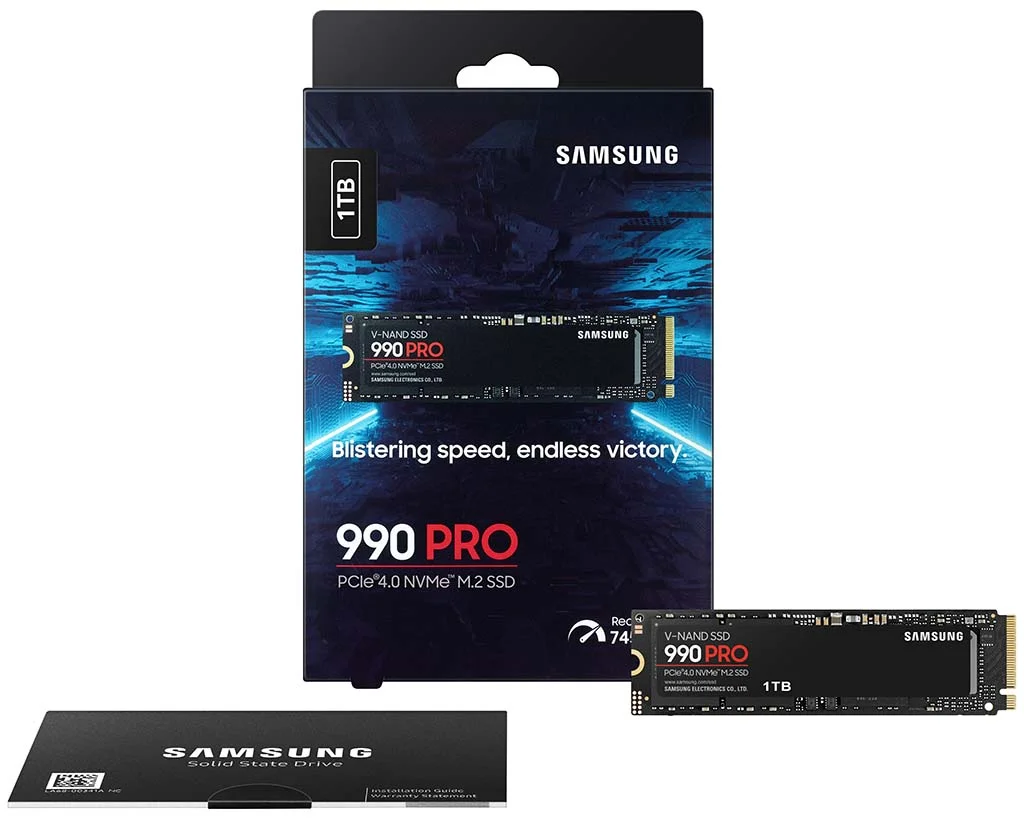
Image: Samsung
Performance
Analysis In real-world gaming scenarios, the difference between a high-end nvme ssd and a budget one is most noticeable in titles with heavy asset streaming like Cyberpunk 2077 or Starfield. A PCIe 5.0 drive like the Crucial T705 can load a massive open-world environment in under 4 seconds, whereas a standard PCIe 4.0 drive might take 6 to 8 seconds. In competitive FPS games like Valorant or Counter-Strike 2, the impact is less on frame rates and more on system stability and map load times. For MMO players, the high random read speeds of the WD_BLACK SN850X (up to 1.2 million IOPS) mean that character models in crowded hubs load almost instantly, reducing the popping effect seen on slower drives. Even a sata ssd like the Samsung 870 EVO, while limited to 560 MB/s, remains vastly superior to any mechanical hard drive, providing a smooth experience for older titles and indie games.
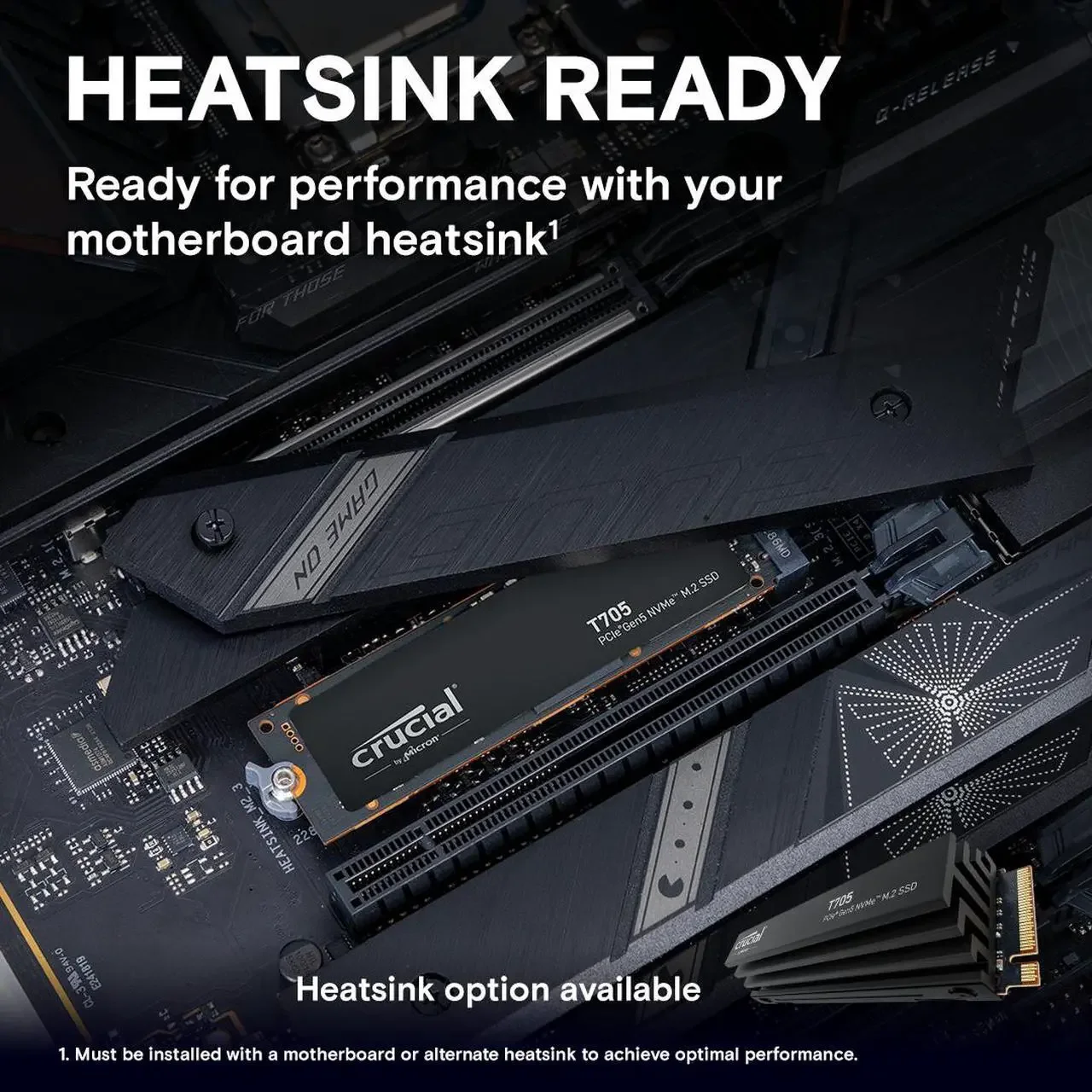
Image: Crucial
Comfort and
Usability Usability for an SSD translates to ease of installation and compatibility. The M.2 2280 form factor is now the universal standard for modern gaming PCs and laptops. Installing an nvme ssd is a simple matter of sliding it into a slot and securing a single screw, or using a toolless M.2 latch found on newer motherboards. For users with older cases, the sata ssd remains the easiest upgrade path, using standard SATA power and data cables. However, the cabling required for SATA can contribute to clutter, whereas NVMe drives sit flush on the motherboard. Compatibility is a key consideration; a PCIe 5.0 drive will work in a PCIe 4.0 slot, but it will be limited to Gen 4 speeds, making the extra investment pointless for those without the latest hardware platforms.

Software and Customization
The software ecosystem is a major differentiator for premium brands. Samsung Magician is widely considered the best in the industry, offering deep insights into drive health, temperature monitoring, and the ability to toggle Full Power Mode for maximum gaming performance. Western Digital s WD_BLACK Dashboard provides a similar level of control, with a specific focus on gaming aesthetics and thermal management. These tools allow users to update firmware easily, which is crucial for maintaining compatibility with new Windows updates or DirectStorage patches. Crucial s Storage Executive software offers Momentum Cache features which can use system RAM to further boost burst speeds. Most of these applications also include secure erase features, allowing you to wipe your solid state drive completely if you intend to sell it or repurpose the system.
Technical Specifications
Model: Samsung 990 Pro. Interface: PCIe Gen 4.0 x4. Max Read: 7450 MB/s. Max Write: 6900 MB/s. Capacity: 1TB to 4TB. Price: 170 USD for 2TB. Model: WD_BLACK SN850X. Interface: PCIe Gen 4.0 x4. Max Read: 7300 MB/s. Max Write: 6600 MB/s. Capacity: 1TB to 4TB. Price: 155 USD for 2TB. Model: Crucial T705. Interface: PCIe Gen 5.0 x4. Max Read: 14500 MB/s. Max Write: 12700 MB/s. Capacity: 1TB to 4TB. Price: 310 USD for 2TB. Model: Samsung 870 EVO. Interface: SATA III. Max Read: 560 MB/s. Max Write: 530 MB/s. Capacity: 250GB to 4TB. Price: 130 USD for 2TB.
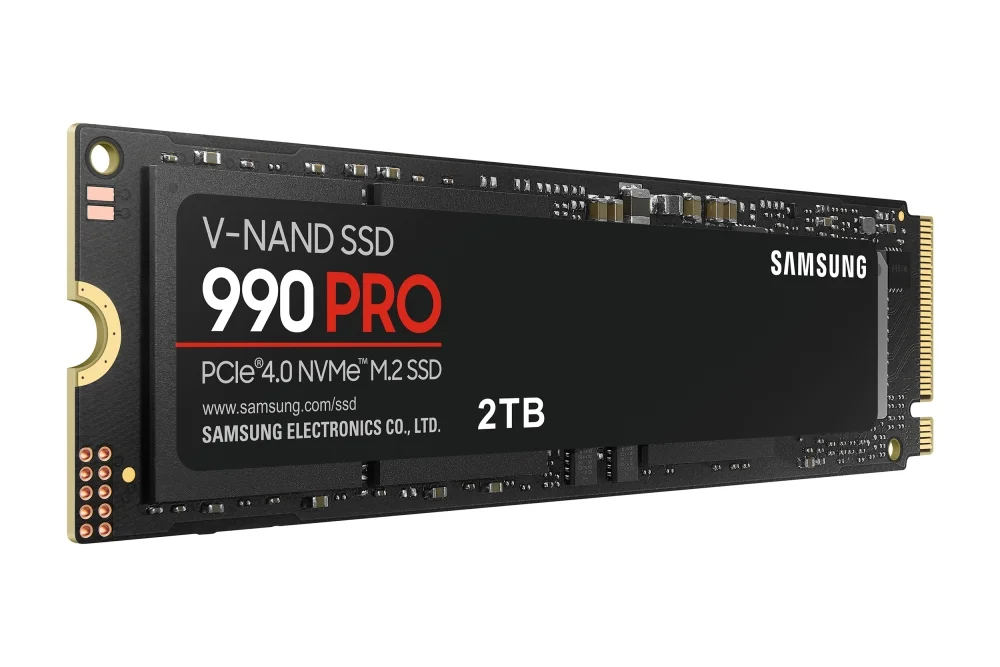
Image: Samsung
Pros and Cons
Pros of modern gaming SSDs: Incredible reduction in system boot times and game loading screens. High endurance ratings (TBW) ensure the drive lasts for many years of heavy use. Silent operation compared to mechanical drives. Compact form factor frees up space inside the PC chassis. Native support for DirectStorage improves visual fidelity in supported games. Cons: PCIe 5.0 drives require expensive motherboards and run very hot. 4TB and 8TB models remain prohibitively expensive for most budget builders. SATA SSDs are beginning to show their age in modern high-fidelity games. Performance drops significantly once the SLC cache is exhausted on lower-end models.
Price and Value for Money
In the 2026 market, the best value for most gamers is found in high-performance Gen 4 drives. While Gen 5 drives offer impressive benchmark numbers, the real-world gaming advantage is often measured in milliseconds, making the 100 percent price premium hard to justify for casual players. The WD_BLACK SN850X frequently goes on sale, often making it the price-to-performance leader. For those on a strict budget, a mid-range nvme ssd like the Crucial P5 Plus offers nearly the same gaming experience for a fraction of the cost. SATA SSDs have moved into a niche role; they’re no longer the best primary drive for gaming, but as bulk storage for a secondary library, their value per gigabyte is hard to beat when compared to high-end NVMe counterparts.
Best Alternatives
If the top-tier drives are out of reach, consider the SK Hynix Platinum P41. It offers performance that rivals the Samsung 990 Pro and is often praised for its exceptional power efficiency, making it a great choice for gaming laptops. Another strong contender is the Sabrent Rocket 4 Plus-G, which was specifically designed with O2 firmware for gaming workloads and asset streaming. If you’re looking for an external option, the Samsung T9 Portable SSD provides NVMe-like speeds over a USB-C connection, perfect for gamers who need to take their library on the go. Avoid choosing a nvme ssd from unknown brands that lack a DRAM cache, as these can suffer from stuttering during intensive gaming sessions.
Who Should Buy It?
The Samsung 990 Pro is the definitive choice for competitive gamers and streamers who need absolute reliability and zero downtime. The WD_BLACK SN850X is perfect for the enthusiast who wants a drive that’s finely tuned for the latest Windows gaming features. If you’re building a future-proof workstation that doubles as a high-end gaming rig, the Crucial T705 is the only way to go for PCIe 5.0 speeds. Budget builders should look toward Gen 4 drives with slightly lower sequential speeds but high IOPS. Who should skip it? Users still running older hardware with only SATA ports should avoid buying an NVMe drive until they upgrade their motherboard. Similarly, if you only play older titles or indie games, a high-end Gen 5 drive is a waste of money better spent on a better GPU.
Final Verdict
The market of storage has reached a point where the solid state drive is the most influential component for a smooth gaming experience outside of the GPU and CPU. In 2026, the Samsung 990 Pro remains the most well-rounded nvme ssd for the average gamer, scoring a 9.5 out of 10 for its blend of speed, software support, and reliability. The Crucial T705 earns a 9.0 for its sheer technical dominance, though its thermal requirements and price prevent it from being a universal recommendation. The WD_BLACK SN850X remains a solid 9.2 for its gaming-centric features. For the legacy sata ssd category, the Samsung 870 EVO holds a 8.5, still relevant but fading in the shadow of NVMe. Selecting the best ssd for gaming 2026 requires looking past the marketing numbers and choosing a drive that matches your motherboard s capabilities and your library s size. We confidently recommend the Samsung 990 Pro as the best all-around choice for 2026 gaming builds.
Frequently Asked
Questions Is a PCIe 5.0 SSD worth it for gaming in 2026? Only if you have a compatible motherboard and play games that heavily use DirectStorage; otherwise, Gen 4 is more cost-effective. Does an NVMe SSD improve FPS? Not directly, but it prevents stutters and hitching caused by slow asset loading in open-world games. Can I use a Gen 4 SSD in a Gen 3 slot? Yes, they’re backward compatible, but the drive will be capped at Gen 3 speeds of roughly 3500 MB/s. Do I need a heatsink for my gaming SSD? For Gen 5, it’s mandatory. For Gen 4, it’s recommended if your motherboard doesn t already have built-in heat spreaders. What’s the best capacity for a gaming drive in 2026? 2TB is the current sweet spot, as modern AAA games frequently exceed 150GB to 200GB in size. Is there still a reason to buy a SATA SSD? Yes, they’re excellent for bulk storage of media or older games that don’t require high bandwidth.