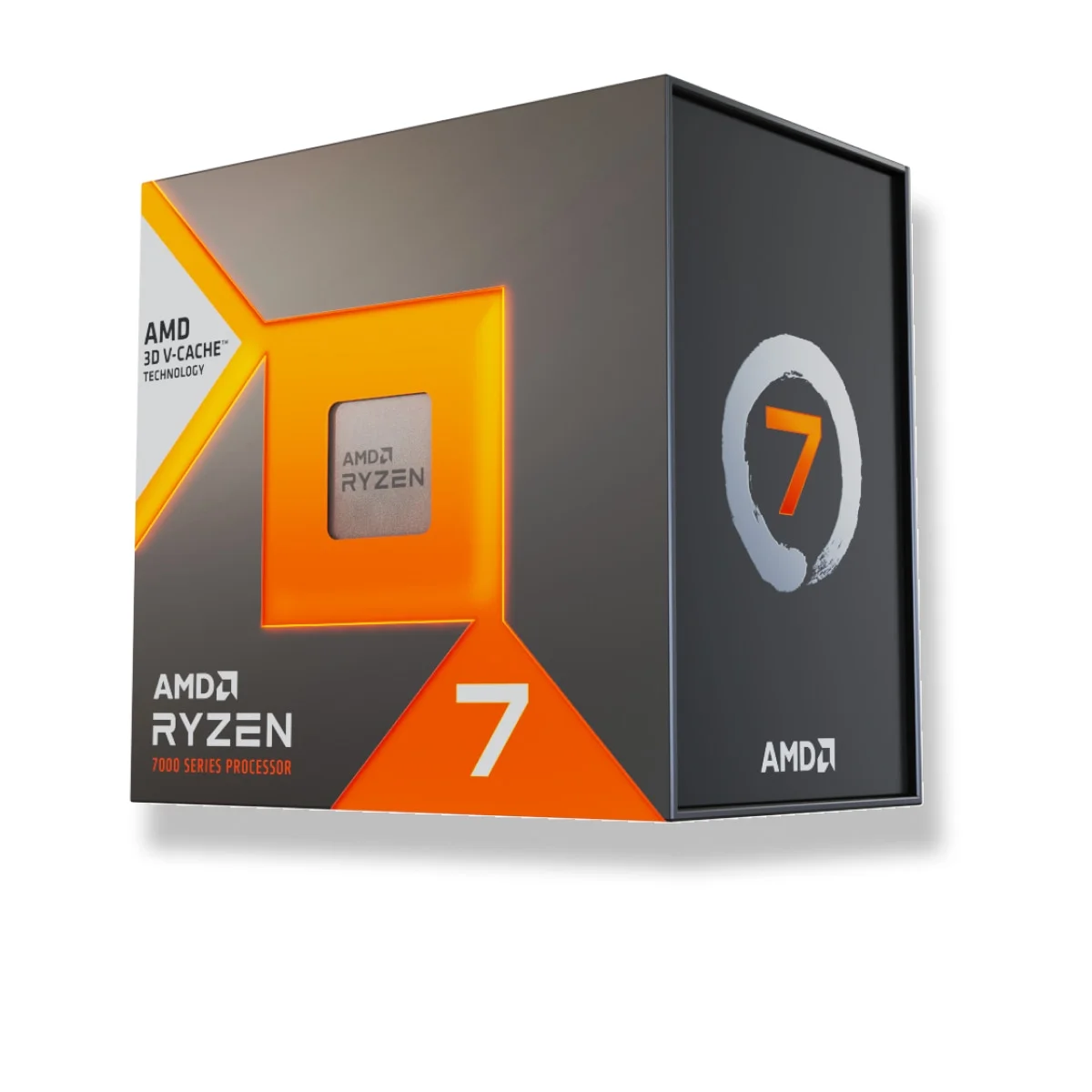
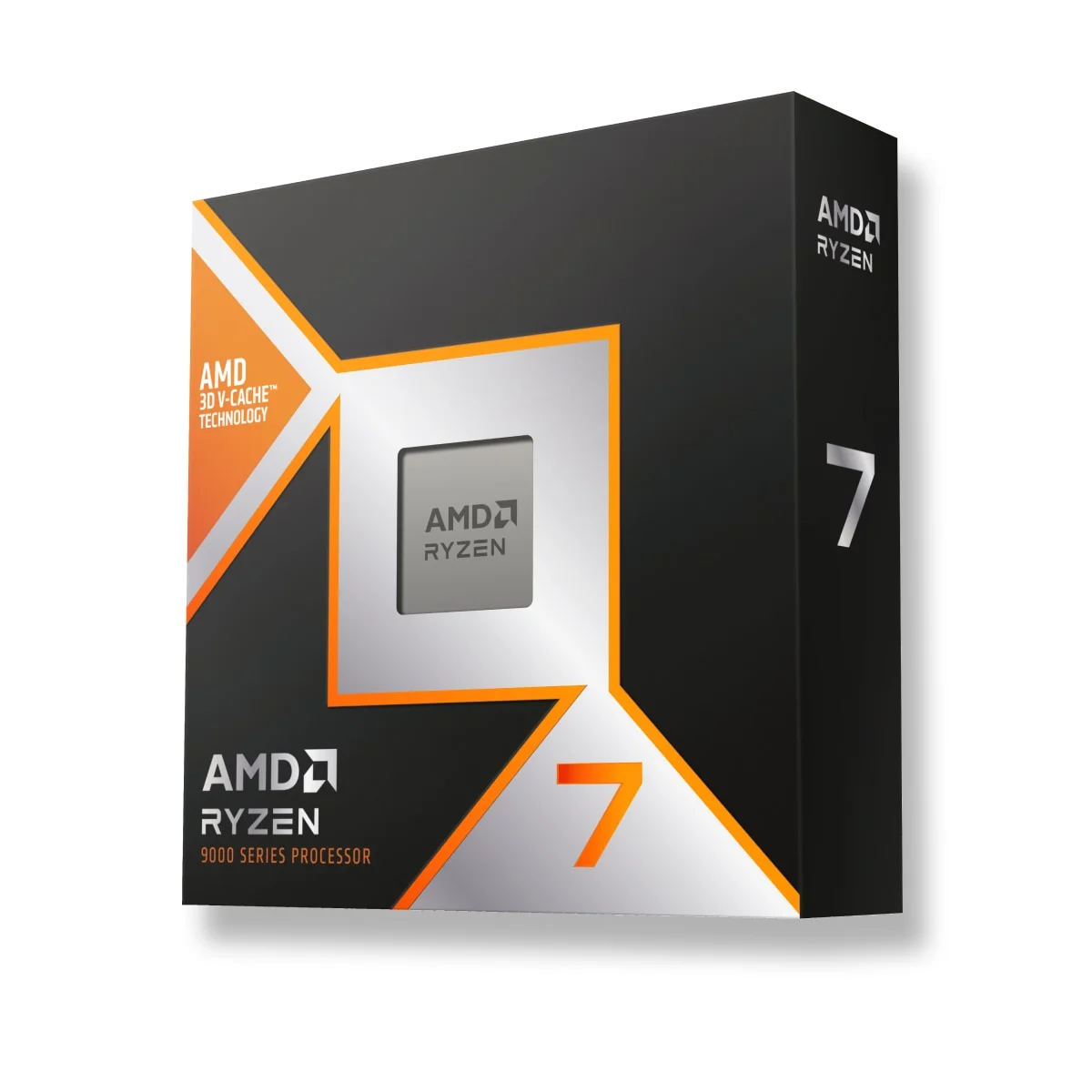
AMD Ryzen 9 7950X3D Review (2025): Is This the Best Gaming CPU?
Introduction
For years, PC enthusiasts were forced to choose between raw core count for productivity and clock speeds for gaming. The arrival of the Zen 4 architecture changed the market, but the introduction of 3D V-Cache technology truly revolutionized it. In this comprehensive Ryzen 9 7950X3D review, we analyze AMD’s flagship processor that promises no compromises. By stacking a massive amount of L3 cache on top of one of the fastest multi-core chips on the market, AMD aims to dethrone Intel’s finest. This review will cover the architectural intricacies, thermal behaviors, and real-world benchmarks to determine if this hybrid beast is the ultimate engine for your rig. We specifically target high-end gamers and content creators who need one machine to do it all—stream, render, and play at the highest frame rates possible.
Key Takeaways 1. **Unmatched
Efficiency:** The 7950X3D delivers top-tier performance while consuming significantly less power than its Intel competitors, often drawing under 100W in gaming.
- Hybrid CCD Design: It features two chiplets—one optimized for frequency and one with 3D V-Cache—requiring specific software drivers to manage effectively.
- Gaming & Productivity King: It successfully merges the gaming prowess of the 7800X3D with the multi-threaded workstation power of the standard 7950X.
- Premium Platform Cost: While the CPU offers immense value, the AM5 platform, DDR5 memory, and required cooling add to the total build cost.
- Future-Proof: With PCIe 5.0 support and the longevity of the AM5 socket, this is a long-term investment for 2025 and beyond.
Product Overview
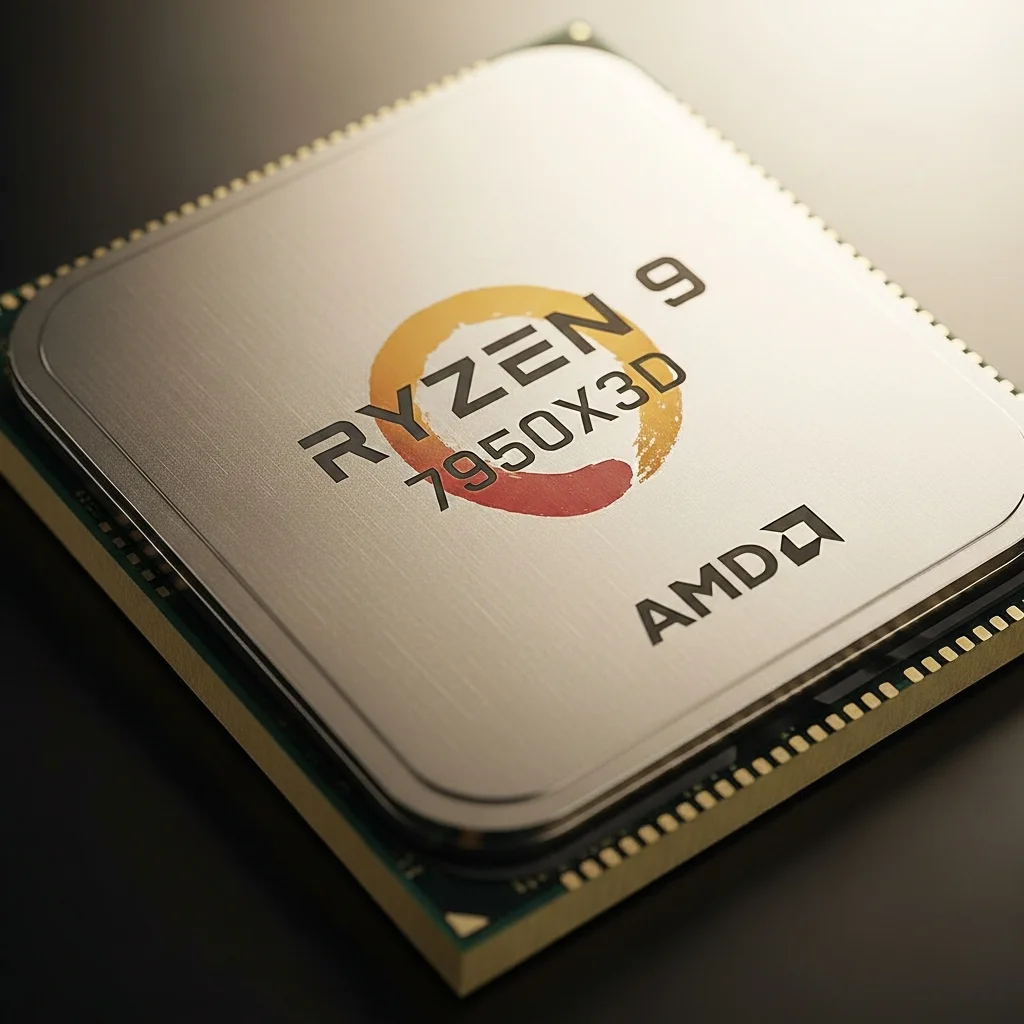
The AMD Ryzen 9 7950X3D 7950X3D sits at the very top of the consumer processor hierarchy, categorized as an ultra-high-end enthusiast CPU. It’s designed for a specific slice of the market: users who refuse to compromise between workstation capability and gaming responsiveness. Unlike the standard 7950X, which relies purely on frequency and core count, the X3D variant integrates AMD’s proprietary 3D V-Cache technology. This involves stacking an additional layer of L3 cache vertically on top of the processor die. What makes this specific model unique is its asymmetric design; it retains 16 cores but splits them into two clusters (CCDs). One CCD is equipped with the extra cache for gaming, while the other retains higher clock speeds for frequency-sensitive productivity tasks. This represents a major evolution over the previous generation 5800X3D, which was limited to 8 cores, effectively bridging the gap for creators who game.
Design & Build
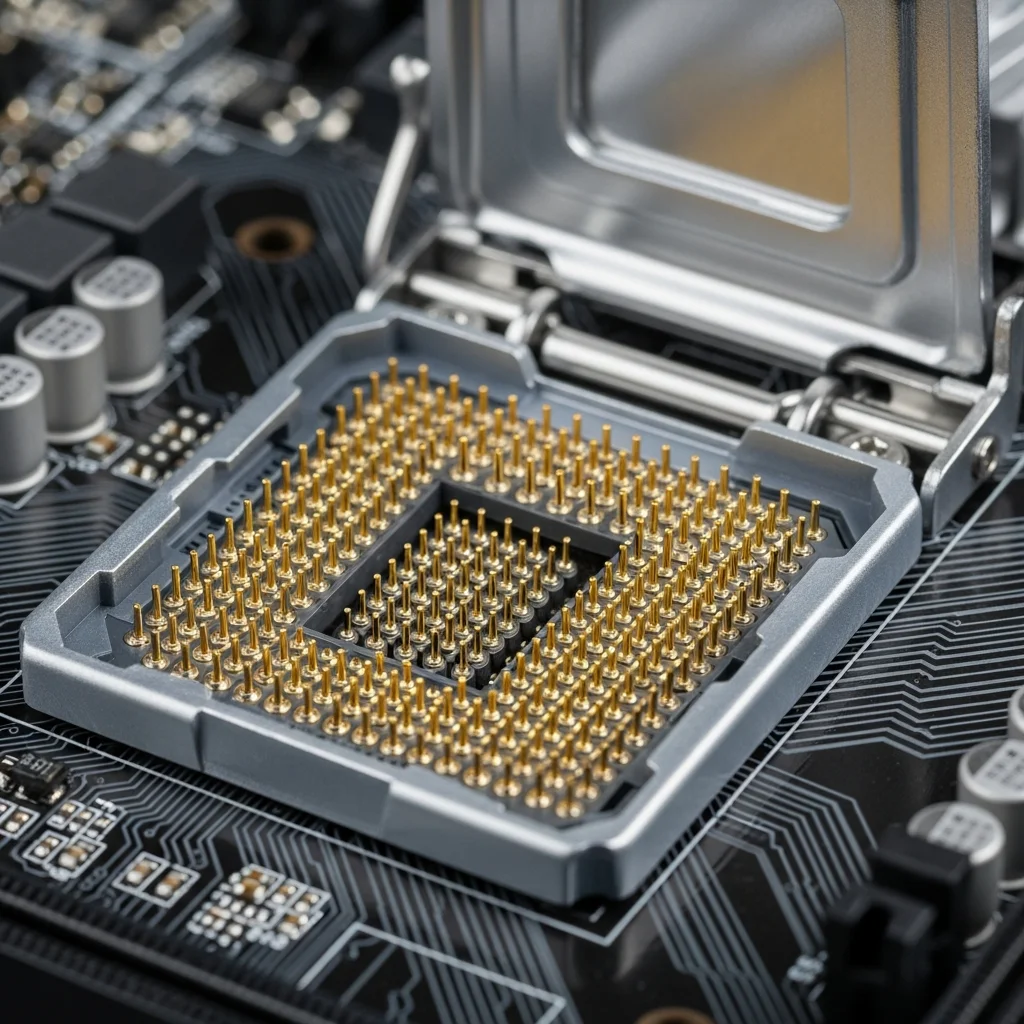
Quality processors, design refers to the physical package and the socket architecture. The Ryzen 9 7950X3D uses the AM5 socket (LGA 1718), which marked a significant shift from the pin-grid array (PGA) of AM4 to a land-grid array (LGA) design similar to Intel’s. The CPU features a unique heat spreader (IHS) with distinct cutouts around the edges to accommodate capacitors. While this gives the chip a futuristic ‘octopus’ look, it presents a practical challenge: thermal paste can easily get lodged in these crevices during installation, making cleanup difficult. Durability is improved over previous generations since the pins are now on the motherboard rather than the CPU, reducing the risk of bending pins during handling. However, the IHS is thicker than necessary to maintain cooler compatibility with AM4, which can slightly impede thermal transfer efficiency compared to a direct-die or thinner IHS design.
Features & Technology
The core of this processor’s dominance lies in the AMD Ryzen 9 7950X3D 7950X3D architecture. Built on the 5nm Zen 4 manufacturing process, it packs 16 cores and 32 threads. The headline feature, however, is the Ryzen 9 7950X3D cache size. It’s a staggering 144MB of total cache (128MB L3 + 16MB L2). The 3D V-Cache is located on only one of the two Core Complex Dies (CCDs). This technological marvel allows the CPU to store significantly more game data directly on the chip, reducing the need to fetch data from slower system RAM. Also, the processor supports PCIe Gen 5.0 for next-generation graphics cards and storage, as well as DDR5 memory exclusively. AMD also includes a small integrated graphics chip (RDNA 2), mainly for troubleshooting or basic display output, which is a welcome addition for workstation users.
Performance
When analyzing the AMD Ryzen 9 7950X3D 7950X3D specs in action, the performance is nothing short of spectacular. In gaming scenarios, particularly cache-sensitive titles like Factorio, Microsoft Flight Simulator, and competitive shooters like Valorant, the 3D V-Cache propels frame rates far beyond what traditional CPUs can achieve. The 1% low FPS figures are exceptionally high, resulting in a buttery-smooth experience free of micro-stutters. On the productivity side, the 16 cores demolish rendering tasks in Blender and Cinebench, trailing the non-3D 7950X by only a small margin due to slightly lower thermal limits (TjMax is 89°C vs 95°C). Stability is rock-solid, provided the chipset drivers are correctly installed to handle the thread scheduling. The chip runs surprisingly cool in gaming workloads compared to Intel’s i9-14900K, often hovering between 60-70°C, proving that high performance doesn’t always require nuclear-level power consumption.
Comfort & Usability
For a PC builder, ‘comfort’ translates to the ease of setup and daily operation. The Ryzen 9 7950X3D introduces a layer of complexity not found in standard CPUs. Because of the dual-CCD design (one fast, one cached), the operating system must know which core to use for which task. This requires a specific installation order: updating the BIOS, installing the latest AMD chipset drivers, and ensuring the Xbox Game Bar is active in Windows. The Xbox Game Bar is the mechanism AMD uses to detect games and ‘park’ the non-cache cores, forcing the game to run on the V-Cache CCD. While this works smoothly 95% of the time, advanced users may find themselves manually assigning affinities for obscure titles. Once set up, however, the usability is flawless. The heat output is manageable with a standard 280mm or 360mm AIO, and it doesn’t heat up the room nearly as much as its competitors during long gaming sessions.
Software & Customization
The software ecosystem surrounding the 7950X3D is vital to its performance. AMD’s Ryzen Master software is the primary tool for customization, allowing users to monitor temperatures, voltages, and activate ‘Eco Mode’ for even greater efficiency. A key feature for this specific chip is the Curve Optimizer, which allows enthusiasts to undervolt individual cores to squeeze out higher boost clocks within the thermal headroom. As mentioned, the dependency on Windows Game Mode and Xbox Game Bar for core scheduling is a unique software quirk. While it feels somewhat ‘hacky’ to rely on a Game Bar for hardware scheduling, it’s currently the official solution. Driver stability has been excellent post-launch, though keeping BIOS updated is critical for memory compatibility and boot times, which were initially slow on the AM5 platform.
Technical Specifications
Below is the technical breakdown of the AMD Ryzen 9 7950X3D 7950X3D specs:
-
Cores/Threads: 16 Cores / 32 Threads
-
Base Clock: 4.2 GHz
-
Boost Clock: Up to 5.7 GHz
-
L3 Cache: 128 MB (Total Cache 144 MB)
-
TDP: 120W
-
Socket: AM5 (LGA 1718)
-
Manufacturing Process: TSMC 5nm FinFET
-
Max Temp (TjMax): 89°C
-
Memory Support: DDR5 (up to 5200MT/s official, 6000MT/s sweet spot)
-
Integrated Graphics: AMD Radeon Graphics (2 Cores)
-
Price Range: $550 - $699 USD
Pros & Cons
A summary of the strengths and weaknesses found during our Ryzen 9 7950X3D review.
Pros
-
Market-Leading Efficiency: Delivers top-tier gaming performance at a fraction of the power draw of Intel’s i9.
-
Massive Cache: The huge Ryzen 9 7950X3D cache size drastically improves minimum frame rates in simulation and strategy games.
-
No Compromise: Offers 16 cores for workstation tasks, unlike the 8-core 7800X3D.
-
Platform Longevity: The AM5 socket is supported through 2025+, allowing for future upgrades.
Cons
-
Scheduling Complexity: Relies on Windows software to manage the asymmetric cores, which can occasionally fail.
-
Price: Significantly more expensive than the 7800X3D for gaming capability that’s largely identical.
-
Thermal Limits: Lower thermal ceiling (89°C) compared to non-3D chips limits manual overclocking headroom.
-
Boot Times: AM5 memory training can still result in longer boot times than Intel platforms.
Price & Value for Money
The Ryzen 9 7950X3D commands a premium price, usually hovering around the $600 mark. When assessing value, you must define your use case. For a pure gamer, the value is poor; the Ryzen 7 7800X3D offers 95-99% of the gaming performance for significantly less money. However, the value proposition skyrockets for the ‘prosumer.’ If you were previously considering building two separate PCs—one for streaming/rendering and one for gaming—this CPU consolidates that need into a single socket. Compared to the Intel Core i9-14900K, the 7950X3D is often slightly more expensive upfront but saves money over time through lower electricity bills and less demanding cooling requirements. It’s an investment in efficiency and multitasking supremacy.
Best
Alternatives 1. AMD Ryzen 7 7800X3D:
The undisputed king of value for pure gamers. It features the same 3D V-Cache technology on a single 8-core die. This eliminates the scheduling headaches of the dual-CCD 7950X3D and costs much less, making it the better buy if you don’t need 16 cores for productivity. 2. Intel Core i9-14900K: The primary rival from Team Blue. It offers slightly faster single-core performance and marginally better productivity speeds in some Adobe suites. However, it consumes nearly three times the power under load and requires a much more solid cooling solution. 3. AMD Ryzen 9 7950X3D 9950X (Upcoming/Contextual): As we look toward newer generations, standard non-X3D Ryzen 9 chips offer higher clock speeds for pure productivity workloads where cache is less important, often at a slightly lower price point than the X3D flagship.
Who Should Buy It?
We recommend the Ryzen 9 7950X3D for High-End Streamers who want to encode video on the CPU without affecting gaming performance. It’s perfect for Professional Video Editors who game in their downtime and need fast rendering speeds. Simulation Gamers who play titles like Cities: Skylines II or Stellaris will benefit most from the massive cache. However, Pure Gamers should save money and buy the 7800X3D, while Budget Builders should look toward the Ryzen 5 series. This is a luxury component for those who use all 16 cores.
Final Verdict
In conclusion, our Ryzen 9 7950X3D review finds this processor to be a masterclass in engineering. AMD has successfully solved the dilemma of choosing between work and play. By combining the raw multi-threaded horsepower of the Zen 4 architecture with the gaming magic of 3D V-Cache, the 7950X3D stands as the most versatile consumer CPU available in 2025. While it requires a bit of software mindfulness to manage its unique layout, the reward is a chip that sips power while delivering frame rates that top the charts. If you have the budget and the workload to justify 16 cores, there’s simply no better all-around processor on the market today.
FAQ 1. Is the Ryzen 9 7950X3D good for FPS games?
Yes, it’s incredible for FPS games. The large cache reduces latency and improves 1% lows, making games like CS2 and Valorant feel incredibly responsive. 2. Do I need liquid cooling for the 7950X3D? While it runs cooler than Intel chips, a high-quality 280mm or 360mm AIO is recommended to maintain boost clocks, especially during productivity workloads. 3. What’s the difference between 7950X and 7950X3D? The X3D version has lower clock speeds but significantly more L3 cache (128MB vs 64MB) and lower power consumption, making it better for gaming but slightly slower in raw rendering. 4. Is the AMD Ryzen 9 7950X3D 7950X3D architecture difficult to configure? Not difficult, but it requires correct drivers. You must install the AMD Chipset Drivers and keep Game Mode enabled in Windows for the scheduler to work correctly.