When you purchase through links on our site, we may earn an affiliate commission.
Introduction: The
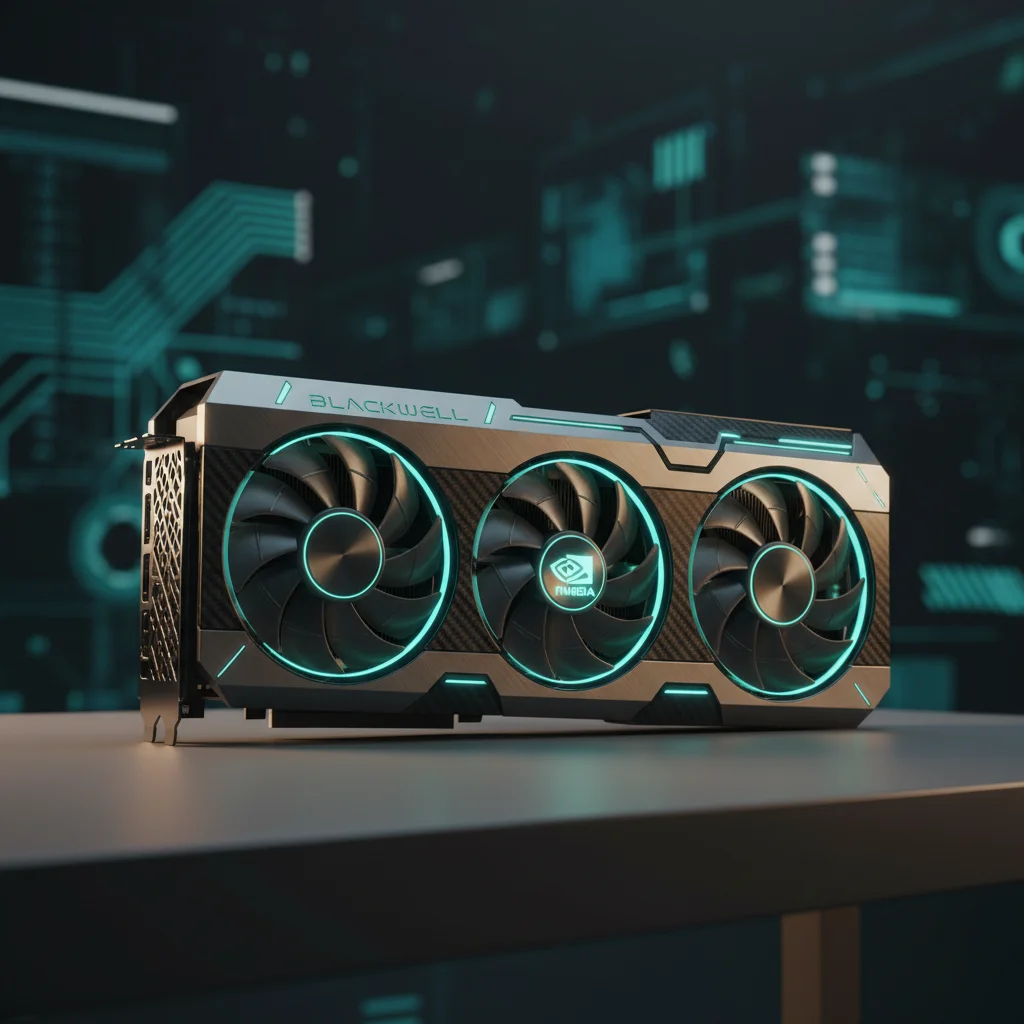
Dawn of NVIDIA Blackwell Today, gamers and tech enthusiasts worldwide are buzzing with the official confirmation from NVIDIA regarding its highly anticipated next-generation GPU architecture. Codenamed “Blackwell,” this significant announcement sets the stage for the future of PC gaming and professional graphics, with a projected launch window in 2026. This move officially signals the successor to the immensely successful “Ada Lovelace” architecture, promising a new era of performance, efficiency, and AI integration. For the gaming community, this means a monumental leap in visual fidelity and processing power, fundamentally changing how we experience virtual worlds. This article, updated as of October 26, 2023, consolidates everything officially confirmed about the NVIDIA next-gen GPU architecture so far.
Key Highlights of the
Announcement During a recent press briefing, NVIDIA provided several crucial details that offer an initial glimpse into the capabilities of the “Blackwell” architecture. While specific product names and detailed specifications remain under wraps, the company outlined its strategic vision for its forthcoming silicon:
Announcement - Code Name Confirmed: The NVIDIA next-gen GPU architecture will officially be known as “Blackwell.”
- Target Launch Window: NVIDIA has confirmed a broad launch window for products based on “Blackwell” in 2026.
- Core Focus Areas: The architecture is designed with a strong emphasis on revolutionary AI acceleration, significantly enhanced ray tracing capabilities, and unprecedented power efficiency improvements.
- Confirmed Technological Leaps: NVIDIA hinted at a brand-new generation of “RT Cores” and “Tensor Cores,” alongside support for advanced memory technologies like GDDR7.
- Market Positioning: “Blackwell” is positioned as the definitive successor to the “Ada Lovelace” series, targeting the highest echelons of both gaming performance and professional content creation.
Detailed Breakdown of
Blackwell’s Potential While many specifics are still pending, the initial announcement allows us to infer and speculate on the advancements the “Blackwell” architecture will bring, based on NVIDIA’s historical innovation cycles and stated goals. Understanding how next-gen NVIDIA GPU architecture works is key to appreciating these advancements.
New Features or
Improvements The core of the NVIDIA next-gen GPU architecture lies in its enhanced processing units. We anticipate the introduction of 5th Generation “RT Cores,” which will likely deliver substantial improvements in real-time ray tracing performance, potentially making photorealistic lighting and reflections more commonplace in games. Alongside these, 5th or 6th Generation “Tensor Cores” are expected to power advancements in AI-driven technologies like an eventual “DLSS 4.0,” offering even sharper upscaling and potentially new forms of AI-powered frame generation or asset creation. These improvements are crucial to understanding how next-gen NVIDIA GPU architecture works to push visual boundaries.
Performance
Expectations NVIDIA’s initial claims suggest that the “Blackwell” architecture will offer a generational leap in performance. Manufacturer statements allude to “up to 2x rasterization performance” over previous generations and a “3x acceleration in ray tracing operations” when combined with new AI optimizations. It’s vital to underscore that these are manufacturer claims and preliminary estimates, pending independent testing and benchmarks upon release. However, if realized, these figures suggest a profound impact on high-resolution, high-refresh-rate gaming experiences. These claimed benefits highlight what are the benefits of the new NVIDIA GPU architecture for high-fidelity gaming.
Design & Build
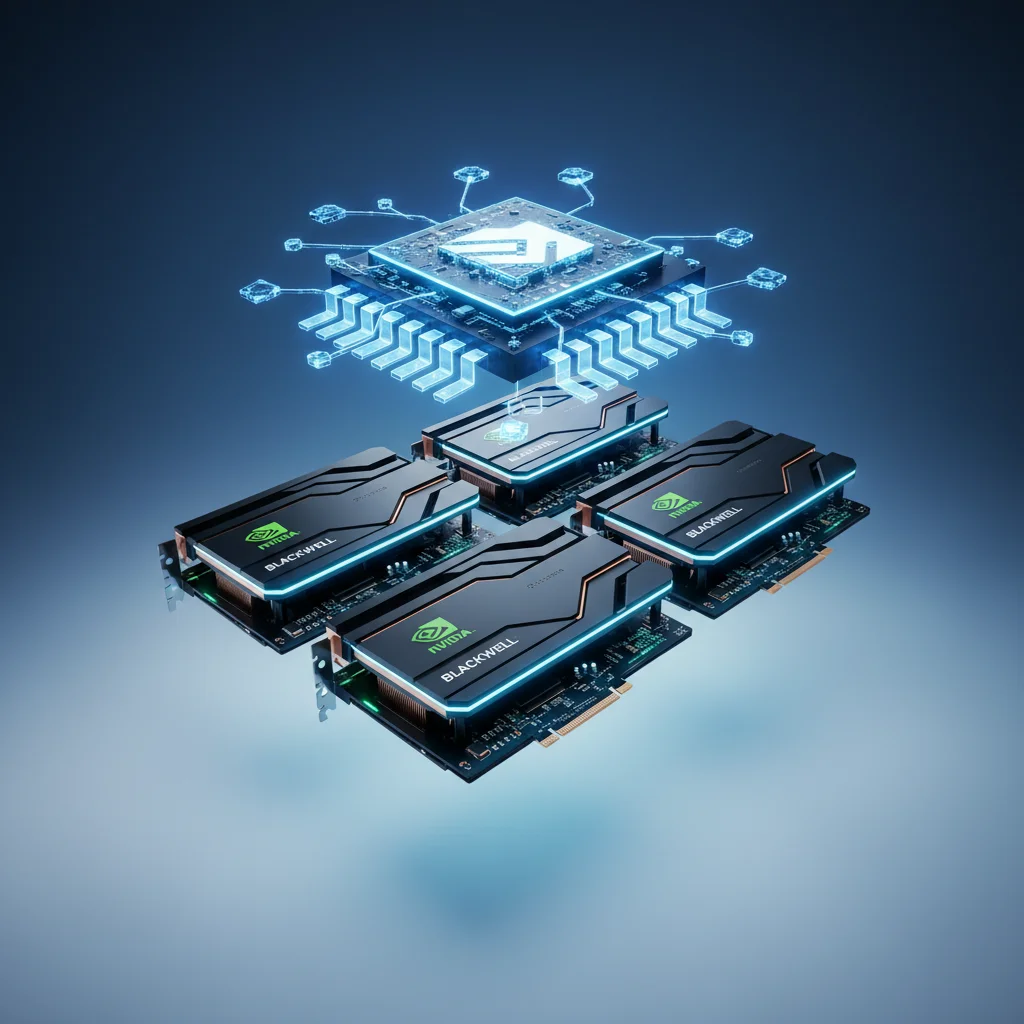
Changes The “Blackwell” architecture is widely expected to use a latest process node, likely a custom variant of TSMC’s “4nm” or even “3nm” class technology. This process shrink will enable higher transistor density, improved power efficiency, and greater clock speeds. Also, industry speculation points towards “Blackwell” potentially adopting a multi-chip module (MCM) design for its highest-end SKUs, a significant architectural shift that could revolutionize how NVIDIA scales performance. Such a design would necessitate innovative cooling solutions, which will likely be reflected in the physical design of the cards themselves.

Software & Compatibility
“Blackwell” will undoubtedly arrive with full support for the latest graphics APIs, including enhancements to “DirectX 12 Ultimate” and “Vulkan.” NVIDIA is also expected to release optimized drivers that unlock the full potential of the new architecture, alongside updates to its “NVIDIA Studio” platform for content creators and “NVIDIA Broadcast” for streamers, using the improved AI capabilities. The architecture will maintain backwards compatibility with existing games and software, ensuring a smooth transition for users. This compatibility is another key aspect of what are the benefits of the new NVIDIA GPU architecture.
Models & Variants
While no specific models were announced, historical trends suggest that “Blackwell” will debut with a flagship SKU, potentially a “GeForce RTX 5090,” followed by a range of high-end and enthusiast-tier cards like the “RTX 5080” and “RTX 5070” in subsequent months. Details on memory configurations, “CUDA” core counts, and boost clocks for these variants are entirely speculative at this stage.
Pricing, Release
Date & Availability NVIDIA has officially confirmed the “Blackwell” architecture will launch in 2026. However, no specific release dates within that year have been provided, nor have any official pricing details. Given the anticipated performance leap and the ongoing costs of advanced manufacturing, we can expect “Blackwell” series GPUs to occupy a premium price point, particularly for the flagship models. Pre-order details will likely be announced much closer to the actual product launch. NVIDIA typically aims for a global launch, making the new GPUs available through major retailers and its own “Founders Edition” program across key regions.
Brand Statements or
Official Notes During the announcement, NVIDIA CEO “Jensen Huang” reportedly emphasized that “Blackwell represents more than just a performance upgrade; it’s a foundational shift towards truly intelligent graphics.” He stated that the architecture is designed to ‘smoothly weave AI into every facet of the rendering pipeline, enabling experiences previously unimaginable.’ While these are compelling claims, it’s crucial to remember they’re part of NVIDIA’s marketing narrative and will require independent verification upon product release. The company reiterated its commitment to pushing the boundaries of visual computing and delivering top-tier gaming experiences.
Expert Analysis
The announcement of “Blackwell” signals a potentially meaningful upgrade cycle rather than an incremental release. With a 2026 launch, the architecture has significant time to mature and integrate advanced technologies like a new process node and potentially MCM. If the claimed performance figures hold true, the feature set, particularly the AI and ray tracing enhancements, could certainly justify a premium price point for enthusiasts. However, several critical questions remain unanswered, including precise power consumption figures, the full SKU stack, and the ultimate real-world performance delta. For consumers, the recommendation is clear: wait for comprehensive independent reviews. Given the distance to launch, pre-ordering is not advisable, and patience will be key to making an informed decision.
Comparison to
Previous Version or Competitors Understanding the market requires looking at both NVIDIA’s past and the competitive future.
Versus Previous
Model (Ada Lovelace - RTX 40 Series) The NVIDIA next-gen GPU architecture, “Blackwell,” aims to significantly surpass its predecessor, “Ada Lovelace” (found in the “RTX 40 series” cards). We expect improvements across all key metrics. While exact specifications are unconfirmed for “Blackwell,” here’s a conceptual comparison outlining what are the benefits of the new NVIDIA GPU architecture:
Model (Ada Lovelace - RTX 40 Series) ||NVIDIA Ada Lovelace (e.g., “RTX 4090”)|NVIDIA “Blackwell” (e.g., “RTX 5090” - Unconfirmed)||
|---|--- |---| |Process Node|TSMC “4N” (Custom 5nm)|TSMC “4NP”/“3nm” (Expected, Unconfirmed)| |RT Cores|3rd Generation|5th Generation (Expected, Unconfirmed)| |Tensor Cores|4th Generation|5th/6th Generation (Expected, Unconfirmed)| |Memory Type|GDDR6X|GDDR7 (Expected, Unconfirmed)| |Performance Uplift|Baseline|Up to 2x Rasterization (Claim, Unconfirmed)| |Ray Tracing Uplift|Baseline|Up to 3x (Claim, Unconfirmed)|
Versus Competitors (Pre-release
Analysis) At this pre-release stage, comparing “Blackwell” to future competitor offerings like AMD’s rumored “RDNA 4” or “RDNA 5” architectures is largely speculative. However, NVIDIA typically holds an advantage in dedicated AI acceleration and its “DLSS” ecosystem. The success of “Blackwell” will depend on how effectively it uses its architectural improvements against whatever new innovations AMD brings to the table. The What are the benefits of the new NVIDIA GPU architecture in this competitive market will likely hinge on its efficiency and AI prowess.
What We Do Not
Know Yet Despite the exciting announcement, many critical details about the NVIDIA next-gen GPU architecture remain unconfirmed. This list represents the biggest unknowns that will shape our understanding of “Blackwell” as more information becomes available:
What We Do Not Know Yet - **Exact Performance
Metrics:** Concrete FPS figures in specific games and benchmarks.
- Specific Memory Configurations: Precise VRAM amounts, bus widths, and clock speeds for individual SKUs.
- Final Power Consumption (TBP): How much power the new GPUs will consume, crucial for cooling and PSU requirements.
- Full SKU Stack and Pricing: The complete range of cards, from entry-level to flagship, and their respective price points.
- Detailed Architectural Diagram: A full breakdown of “Blackwell’s” internal components and their interconnections, beyond high-level claims about how next-gen NVIDIA GPU architecture works.
- Pre-order Dates and Regional Launch Information: Specifics on when and where to buy.
Expected Impact on the Gaming
Community The arrival of the NVIDIA next-gen GPU architecture, “Blackwell,” is poised to send ripples throughout the gaming community, influencing various segments in distinct ways:
Community - Competitive Gamers: Will benefit from significantly higher frame rates, allowing for smoother gameplay on high-refresh-rate monitors and potentially lower system latency for a competitive edge.
- Streamers and Content Creators: Enhanced encoding capabilities and advanced AI features in “NVIDIA Broadcast” will enable higher quality streams with less performance impact, and faster video rendering/editing. These are core
What are the benefits of the new NVIDIA GPU architecturefor professionals. - Casual Players: Will experience unprecedented visual fidelity, especially with advanced ray tracing and AI upscaling, bringing more immersive and realistic game worlds to life.
- PC Builders and Enthusiasts: “Blackwell” will initiate a new upgrade cycle, driving innovation in component ecosystems and potentially inspiring new form factors or cooling solutions to handle the increased power.
- Console Users: While not directly impacting consoles, advancements in PC GPU technology often trickle down, influencing the design and capabilities of future console generations, particularly in terms of graphics techniques and AI integration.
FAQs
FAQs Q1: When is the NVIDIA next-gen GPU architecture expected to launch?
A1: NVIDIA has confirmed a launch window for the “Blackwell” architecture in 2026. Q2: What’s the code name for NVIDIA’s new architecture?
A2: The official code name for the next-gen architecture is “Blackwell.” Q3: Will “Blackwell” support current games?
A3: Yes, “Blackwell” GPUs are expected to be fully backward compatible with all existing games and graphics APIs. Q4: What are the key improvements in “Blackwell” over “Ada Lovelace”?
A4: Key improvements are expected in AI acceleration, ray tracing performance via new “RT Cores,” enhanced “Tensor Cores,” and greater power efficiency, which constitute What are the benefits of the new NVIDIA GPU architecture. Q5: Is there a guide to NVIDIA’s next-gen GPU code names available?
A5: While NVIDIA itself hasn’t released a specific guide, tech blogs and wikis often compile comprehensive lists of past and rumored NVIDIA GPU code names, which will likely be updated with “Blackwell” as more information becomes available. This serves as a helpful Guide to NVIDIA's next-gen GPU code names. Q6: How will the new architecture impact ray tracing performance?
A6: NVIDIA claims up to 3x acceleration in ray tracing operations, suggesting a substantial leap that could make ray tracing more performant and visually impactful.
Final Thoughts
The confirmation of “Blackwell” represents a thrilling glimpse into the future of gaming and graphics technology. NVIDIA’s next-gen GPU architecture promises to push the boundaries of visual fidelity and AI integration, setting a new benchmark for what’s possible in virtual worlds. While the 2026 launch feels distant and many specifics remain unconfirmed, the initial announcement fuels considerable excitement. As we await further details, the anticipation for “Blackwell” will only grow. For now, gamers can rest assured that the future of PC graphics looks incredibly bright, driven by NVIDIA’s continuous innovation.